

 English
 Español
 عربى
عربى

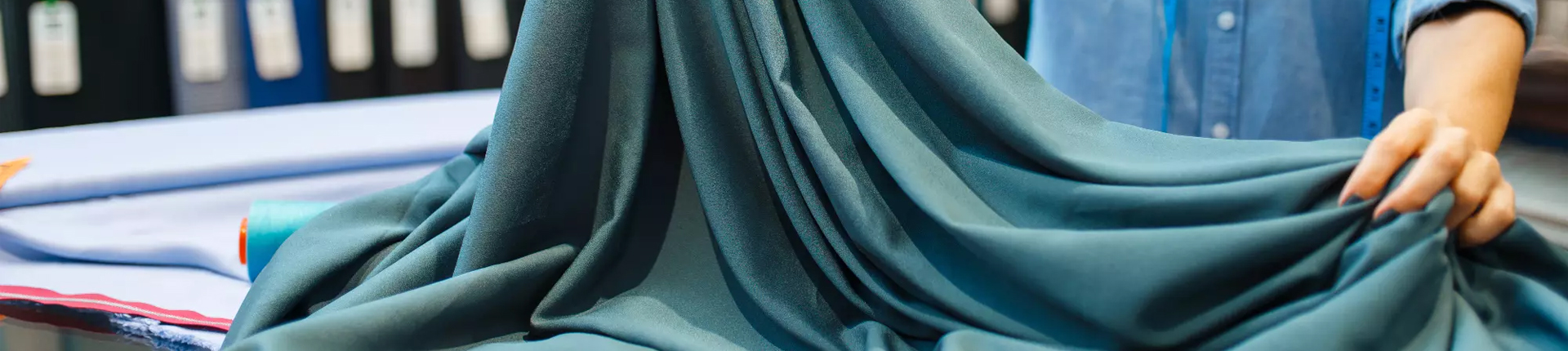
Custom Chenille Upholstery Fabrics
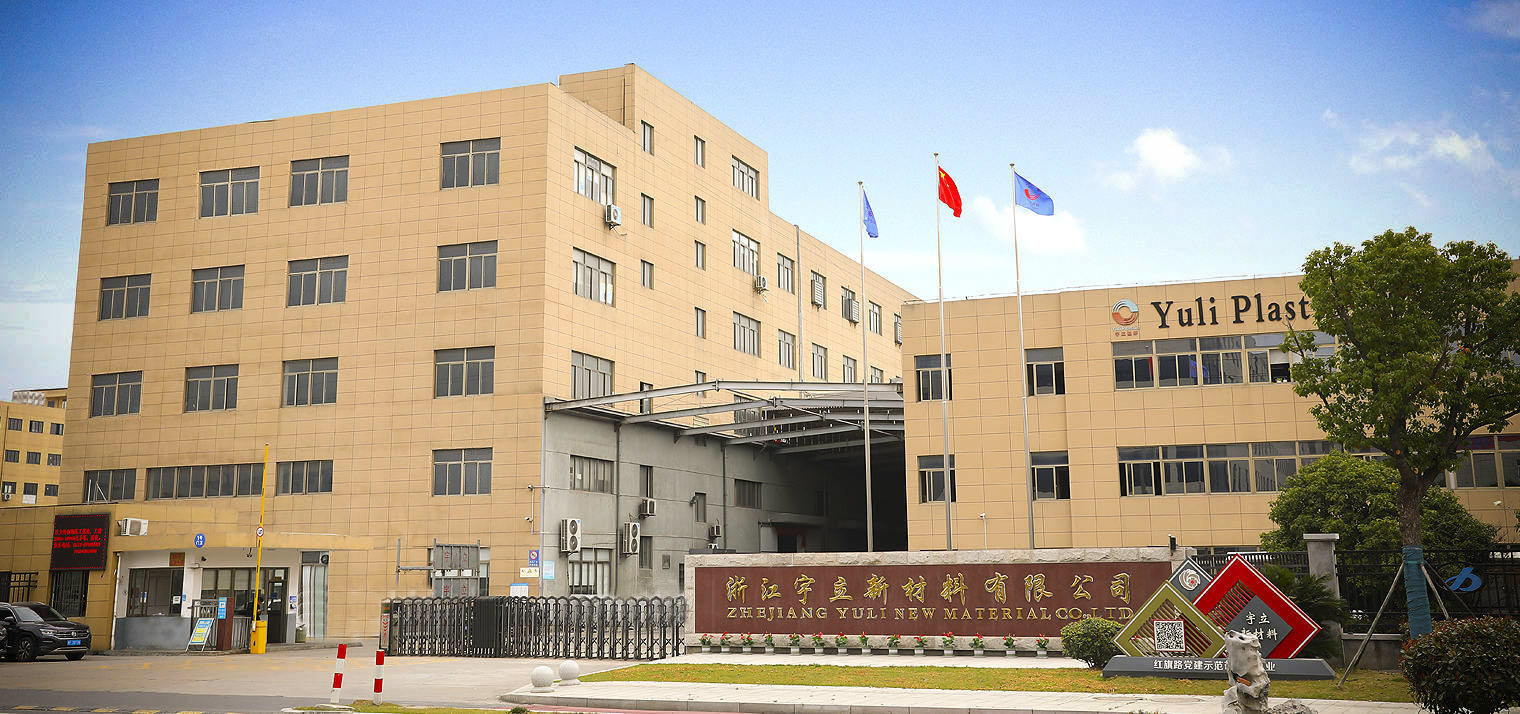
about YULI
Premium quality since 2005
-
0
Establishment
-
0m2
Factory area
-
0million
Production capacity
-
0
Number of employees
Honor
-
honor
-
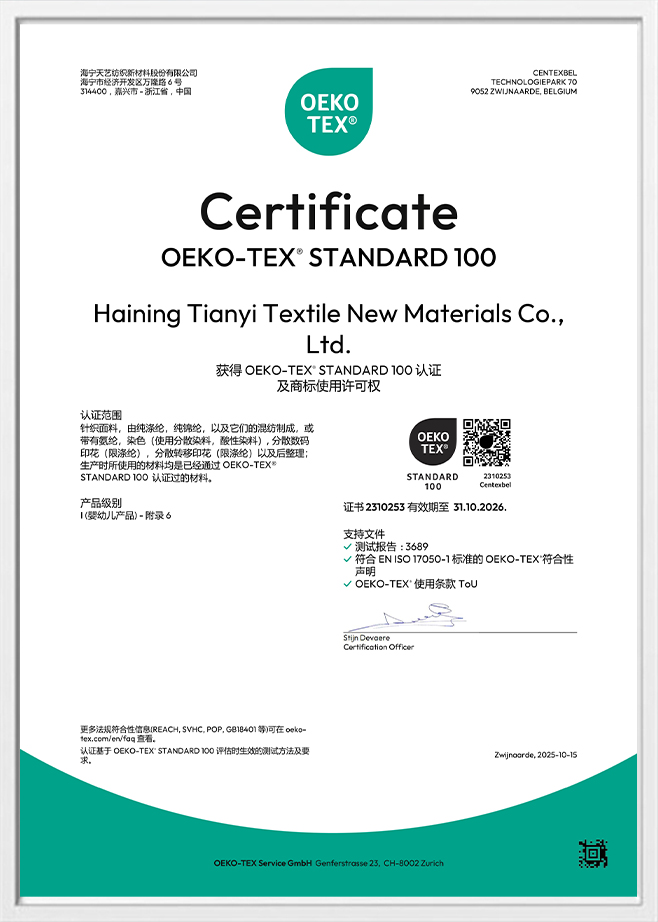 honor
honor -
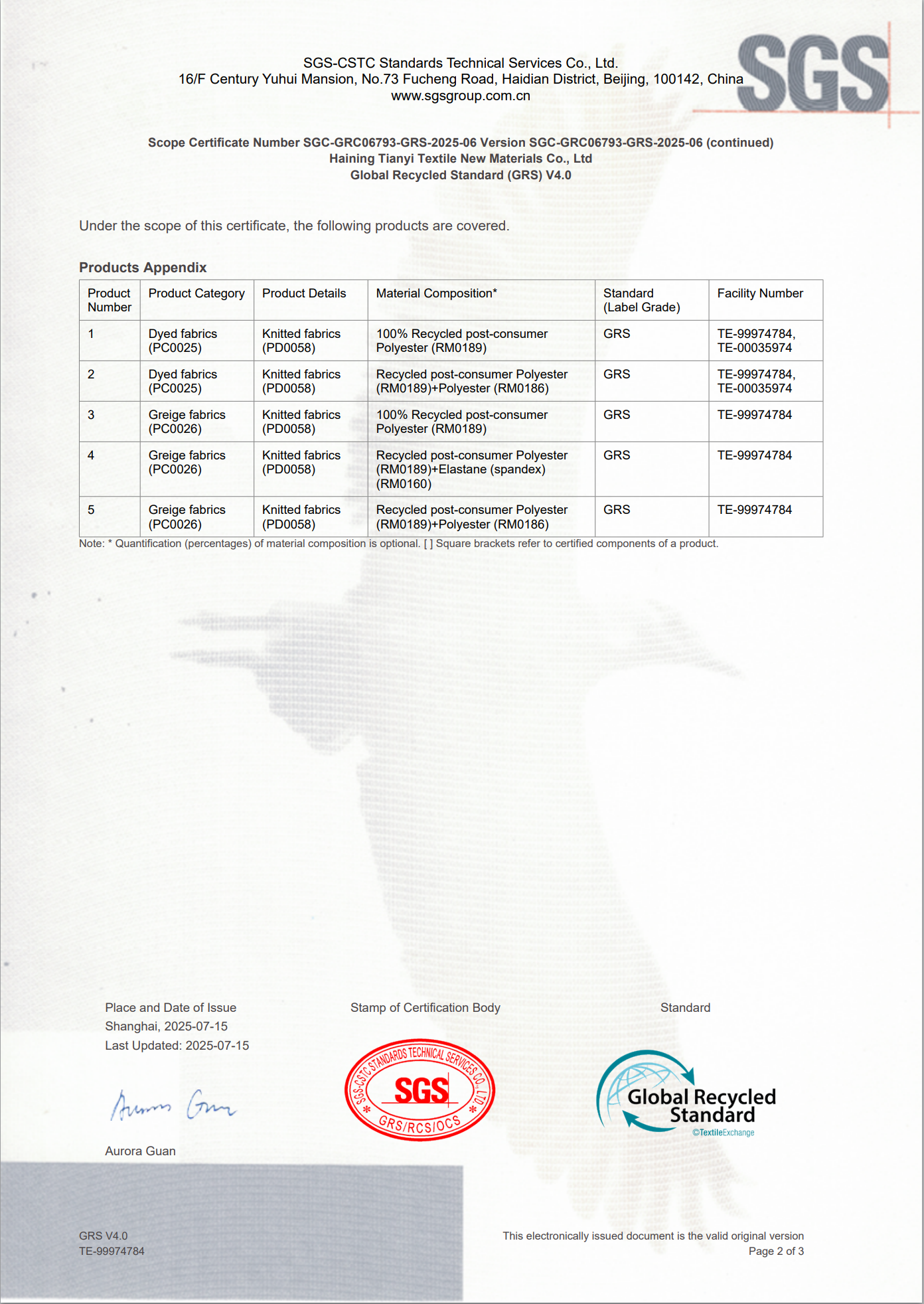 honor
honor -
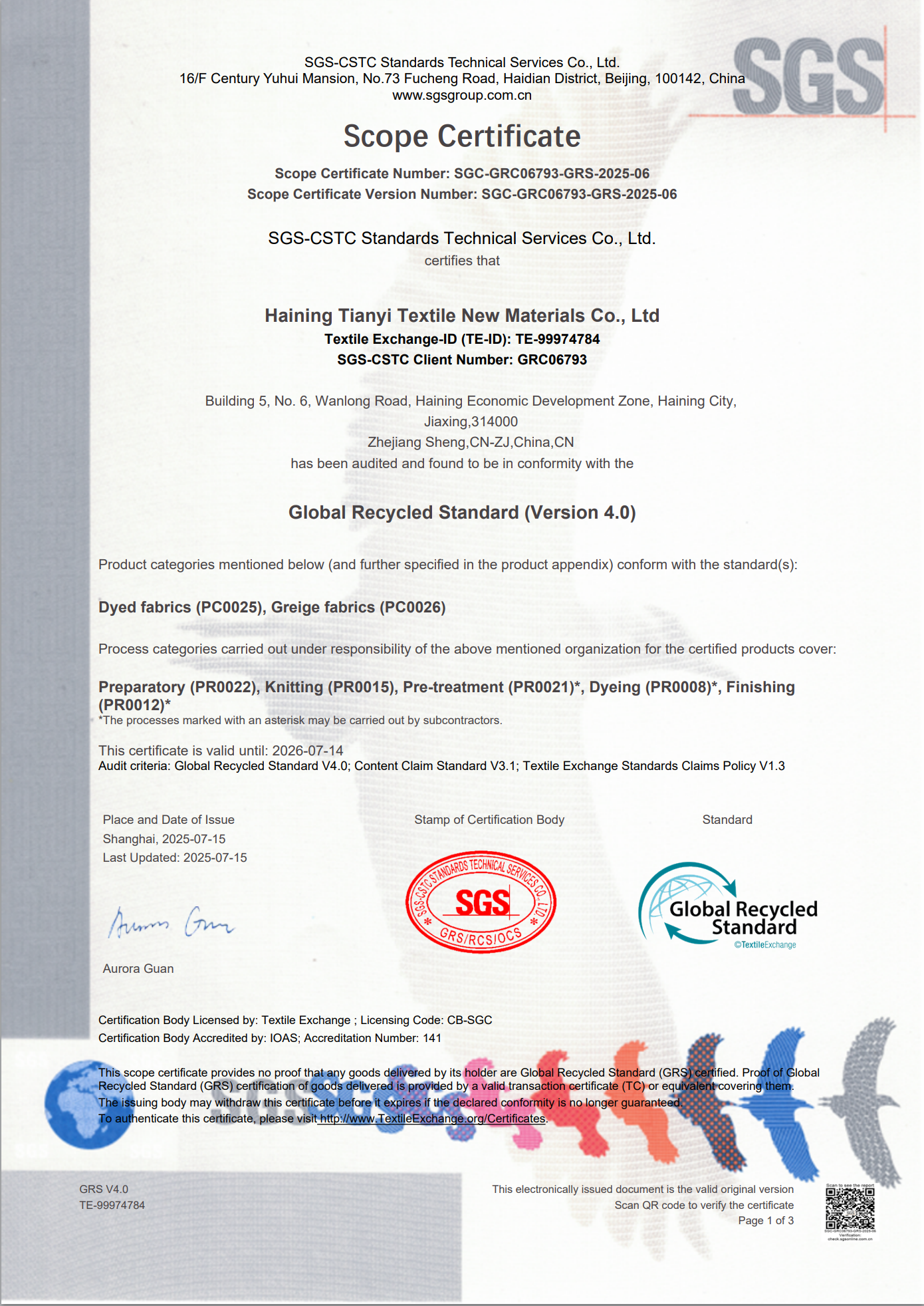 honor
honor
News
-
2026-07-12
1. The Evolution of Geometric Weaves in Heavy-Duty Furniture Manufacturing The global furniture manufacturing landscape demands a rigorous balance between visual complexity and p...
View More -
2026-07-05
1. Evolution of Modern Upholstery Textiles in Global Manufacturing The global furniture manufacturing industry has witnessed a major shift in material selection over the past few...
View More -
2026-06-26
1. Chenille vs Velvet: A Detailed Performance Comparison for Furniture Sourcing For furniture manufacturers, upholstery buyers, and export sourcing professionals, choosing between...
View More -
2026-06-21
For furniture manufacturers, upholstery buyers, and export sourcing professionals, selecting the right flannel fabric directly impacts product comfort, durability, and customer sa...
View More
Industry Knowledge About Chenille
Chenille Upholstery Fabrics: The Ultimate Guide to Luxurious and Durable Furniture
Renowned for its exceptionally soft, velvety texture and plush appearance, Chenille Upholstery Fabric is a premium choice for furniture that demands both comfort and style. The unique chenille yarn, constructed with a core wrapped by short pile fibers, creates a fabric that is visually rich and delightful to the touch. This guide explores the intricacies of chenille, helping you understand its properties, applications, and how modern manufacturing enhances its performance.
1. The Science Behind Chenille: From Yarn Structure to Luxurious Feel
The distinctive character of Chenille Upholstery Fabric begins at the yarn level. Unlike standard yarns, chenille is made by trapping short lengths of fiber, called the "pile," between two core threads. This structure creates its characteristic fuzzy, caterpillar-like appearance and unparalleled softness. The quality of the base fibers and the construction of the yarn directly influence the fabric's final hand-feel, durability, and aesthetic appeal.
Key Parameters and Specifications:
- Yarn Composition: Cotton, Rayon, Polyester, Acrylic, or blends.
- Fabric Weight (GSM): Typically ranges from 300-600 GSM, impacting plushness and durability.
- Abrasion Resistance (Martindale): Can range from 15,000 to over 40,000 cycles, depending on quality.
- Pile Height: A key factor determining the final texture and visual depth.
2. How to Identify High-Quality Chenille: 5 Key Performance Metrics
Not all chenille fabrics are created equal. For furniture that needs to last, it is crucial to evaluate these key performance indicators during the selection process. Understanding these metrics ensures you invest in a fabric that will maintain its beauty and integrity over years of use.
| Performance Metric | Why It Matters | What to Look For |
| Abrasion Resistance | Determines the fabric's ability to withstand daily wear and tear. | High Martindale rub counts (e.g., 25,000+ for residential use). |
| Color Fastness | Ensures the color does not fade or transfer easily. | Good ratings for light and rub fastness (e.g., 4+ on standard scales). |
| Pilling Resistance | Indicates how well the fabric resists forming small fiber balls on the surface. | Fabrics with a tight twist and high-density construction. |
| Pile Security | Prevents the pile yarns from being pulled out or shedding excessively. | A well-locked construction where fibers are securely held by the core threads. |
3. Beyond Traditional Chenille: Enhancing Performance with Lamination
Innovative manufacturers like Haining Yuqi Textile Co., Ltd. are pushing the boundaries of what chenille can achieve. By utilizing advanced lamination techniques with water-based or hot-melt adhesives, they can bond chenille fabric to various backings, such as foam or knitted substrates.
- Improved Durability and Stability: Lamination reduces stretching and improves the fabric's dimensional stability, preventing sagging on furniture.
- Enhanced Comfort and Insulation: A foam backing adds extra cushioning and provides better thermal and acoustic insulation.
- Structural Integrity: This process helps lock the chenille pile in place, minimizing shedding and enhancing the fabric's overall lifespan.
4. The Art of Customization: Creating Unique Textures and Colors
As experienced Custom Decorative Fabrics Manufacturers, Haining Yuqi Textile Co., Ltd. offers extensive customization options for chenille. This allows furniture brands to create a distinctive identity in a competitive market.
- Yarn and Texture Customization: Controlling the thickness and twist of the chenille yarn to create a specific, bespoke hand-feel.
- Exclusive Color Development: Creating proprietary color palettes and multi-tonal effects that align with brand aesthetics.
- Surface Embellishment: Using laser cutting technology to etch precise patterns and designs into the chenille surface, adding a layer of modern sophistication.
5. Sustainable Luxury: GRS-Certified Recycled Chenille
The demand for eco-conscious materials is transforming the textile industry. A significant innovation is the production of chenille fabrics using GRS-certified recycled polyester. This approach delivers the same luxurious experience while supporting environmental responsibility.
- GRS Certification: Provides verifiable traceability for recycled content, often derived from post-consumer plastic waste.
- Reduced Environmental Impact: Lowers the dependency on virgin petroleum resources and reduces the carbon footprint of the final product.
- Market Differentiation: Offers furniture brands a powerful story to connect with environmentally aware consumers, merging luxury with sustainability.
In summary, Chenille Upholstery Fabric remains a top-tier choice for luxurious and comfortable furniture. By partnering with a technically advanced manufacturer like Haining Yuqi Textile Co., Ltd., brands can leverage not only the inherent beauty of chenille but also enhanced, customized, and sustainable versions that meet the highest standards of performance and design.
-
 No.6-2, Wanlong Road, Haining City, Jiaxing City, Zhejiang Province, China.
-
 +86-15067373210
-
 [email protected]
whatsapp:+86-15067373210
LINE:+84775996288 Zalo :+84775996288
Copyright ? 2025 Haining Yuqi Textile Co., Ltd.
All Rights Reserved.
Custom Chenille Upholstery Fabrics Suppliers

