English
 Español
 عربى
عربى

1. The Evolution of Geometric Weaves in Heavy-Duty Furniture Manufacturing
The global furniture manufacturing landscape demands a rigorous balance between visual complexity and physical resilience. Within the high-volume export market, sofa producers and contract textile specifiers constantly seek upholstery solutions that maintain structural integrity under continuous mechanical duress. Geometric patterns, particularly grid and checkered motifs, have long remained staples of interior architecture due to their capacity to define furniture contours and coordinate with diverse stylistic themes. However, the method by which these geometric figures are engineered into the cloth dictates the practical lifetime and serviceability of the final product.
For decades, basic checkered textiles were produced using straightforward plain weave grids or surface-applied printing techniques. While these legacy production methods allowed factories to output large volumes of fabric rapidly, they introduced serious performance limitations. Surface prints wear away rapidly under friction, and simple plain-woven grids are highly vulnerable to grain distortion, thread slippage, and premature thread bareness along highly stressed seamlines. To overcome these engineering faults, modern textile mills utilize programmable high-speed Jacquard weaving equipment to build the pattern directly into the deep physical core of the fabric matrix.
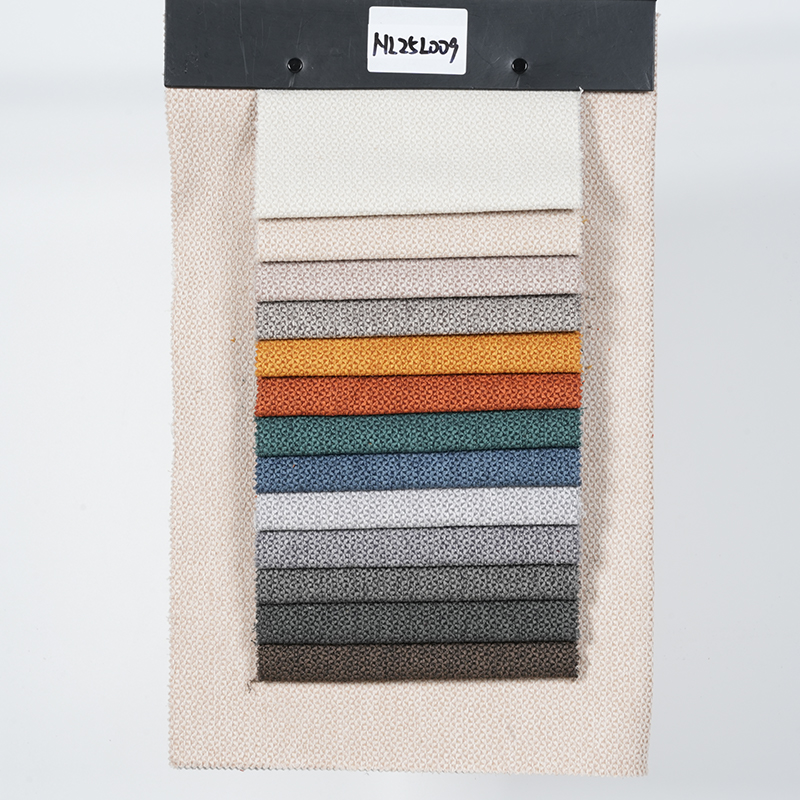
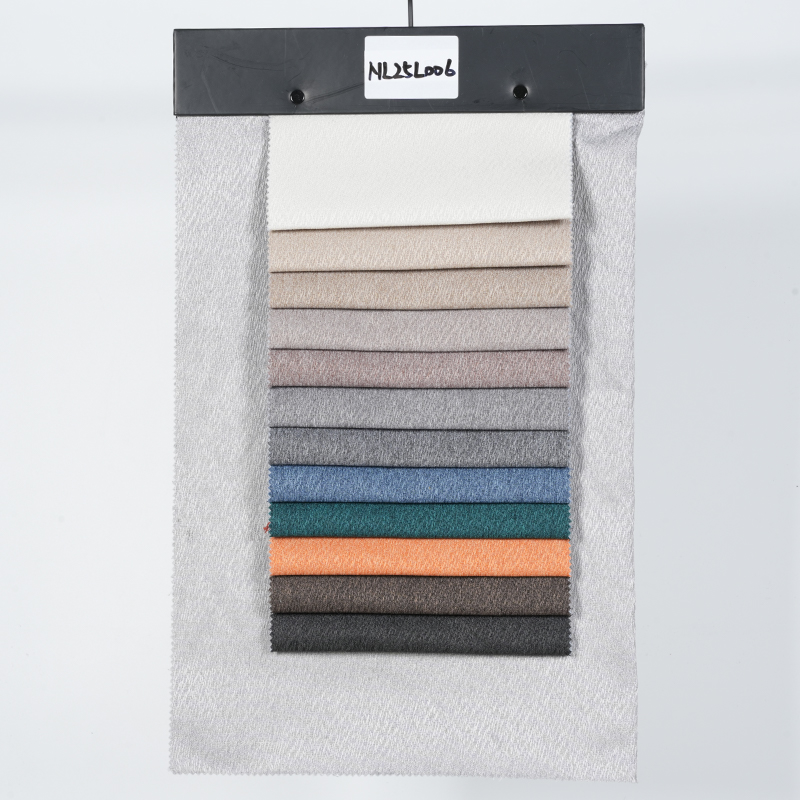
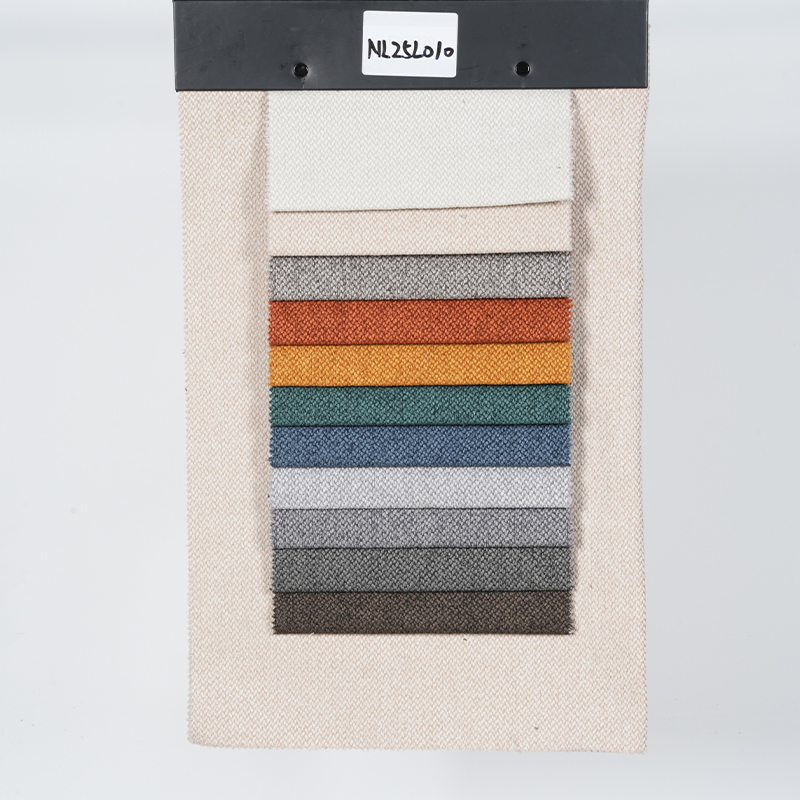
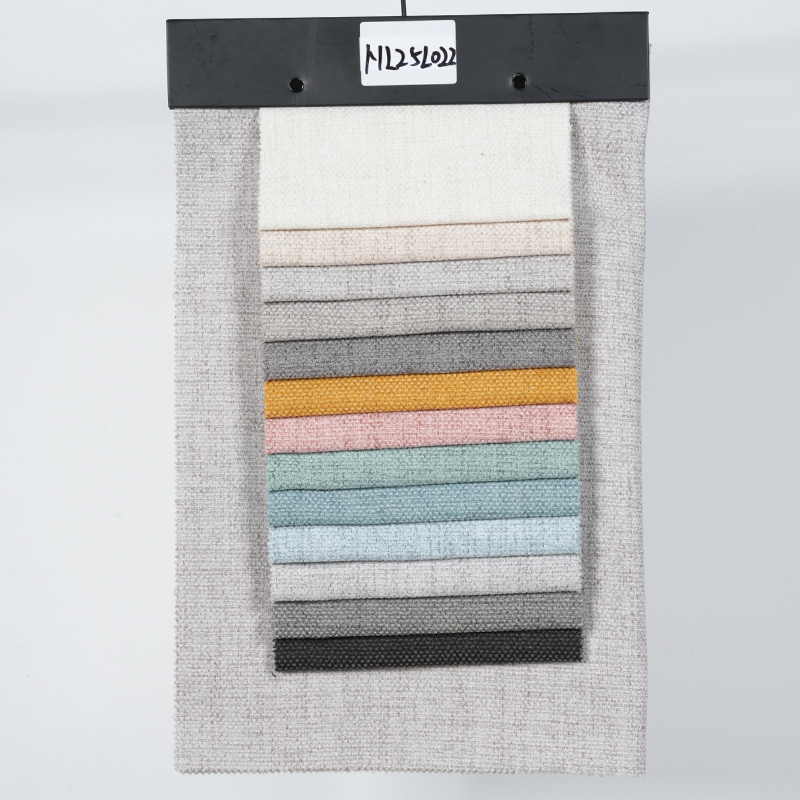
The development of the Five Character Grid Jacquard Polyester Sofa Fabric represents a highly sophisticated union of classical geometric patterning and advanced polymer engineering. This specialized textile incorporates a distinct structural repeating sequence where warp and weft bundles interlace at calculated intervals to produce a distinct, multi-dimensional grid array. By moving away from flat, topical decorations and adopting an engineered, continuous three-dimensional jacquard network, international furniture manufacturers can deliver products with exceptional physical stability, ensuring long-term satisfaction in demanding overseas consumer markets.
2. Structural Anatomy: Advanced Grid Jacquard Blocks vs. Legacy Flat Weaves
Appreciating the functional advantages of an engineered grid jacquard requires a granular examination of the yarn configuration within the weave profile. In a standard plain-woven checkered fabric, the horizontal and vertical threads cross in a predictable one-over-one pattern. This configuration yields a uniform but thin layer of cloth. The structural intersections lack localized reinforcement, meaning that when a plain weave is pulled tightly over a dense polyurethane sofa frame, the uniform lines easily skew or warp out of alignment, ruining the geometric aesthetics of the furniture piece.
The architecture of a five character grid jacquard configuration relies on independent control of warp sequences to form reinforced cellular zones. The term five character grid denotes a specific structural sequence where groups of distinct thread behaviors are harmonized across five dimensional steps to form a dense, textured square perimeter. Within these grid units, the loom alters the float lengths and packing density of the yarn bundles. This variation creates alternating regions of high-density interlacing alongside raised micro-textures, generating a three-dimensional grid profile that sits above the primary background cloth layer.
This raised profile functions as a natural mechanical shield. When a user sits on a sofa upholstered with this fabric, the abrasive forces of clothing, zippers, and movement hit the top of the reinforced grid boundaries first. The recessed background zones are shielded from direct rubbing contact. This structural layout contrasts sharply with flat plain weaves, where every thread is exposed to identical friction, causing uniform fiber thinning and accelerating fabric failure at crucial load points.
3. Upholstery Textile Engineering Performance Metrics
When procurement managers and engineering teams evaluate materials for high-volume furniture production, they must cross-reference several mechanical values. The table below details the performance comparison between the five character grid jacquard platform and conventional flat-woven checkered fabrics.
| Industrial Testing Parameter | Standard Flat-Woven Checkered Fabric | Five Character Grid Jacquard Polyester Sofa Fabric |
|---|---|---|
| Pattern Integration Method | Topical dye print or basic plain-weave yarn crossover | Structural micro-processor controlled jacquard block assembly |
| Martindale Abrasion Endurance | Fails or reveals thread bareness between 12,000 to 18,000 rubs | Exceeds 50,000 rubs with no yarn displacement or breakages |
| Weft and Warp Bowing Resistance | Low; lines easily distort or curve under high frame tension | Exceptional; locked cellular walls preserve geometric linearity |
| Seam Slippage Threshold (ASTM D4034) | High risk of yarn pulling apart along high-stress sewing lines | Locked yarn paths provide superior stitch retention and safety |
| Micro-Acoustic Dampening Value | Negligible; flat face reflects high-frequency sound waves | High absorption; three-dimensional surface diffuses ambient echoes |
| Tactile Hand-Feel Depth | Flat, uniform, often slick or thin to the touch | Rich, substantiative, multi-layered texture with premium feel |
4. Mechanical Endurance: Tensile Thresholds and Seam Slippage Defiance
Upholstery fabrics installed on commercial lounge chairs or residential family sectionals face harsh everyday physical impacts. The primary metric utilized by international regulatory groups to evaluate surface toughness is the Martindale Abrasion Test. During this procedure, the textile is subjected to relentless friction from an industrial wool testing cloth moving in continuous, overlapping loops. Conventional printed or flat checkered fabrics quickly show fiber breakage, color loss, or thread separation within 15,000 cycles. The five character grid jacquard easily exceeds 50,000 cycles, preserving its color and structural stability under intense mechanical pressure.
Beyond surface rubbing, internal warp-to-weft binding strength determines whether a fabric can withstand high tailoring tension. When upholstery teams stretch fabric over corners or secure it with heavy button tufting, the fabric is exposed to directional pull. In standard plain fabrics, this localized pull causes the vertical threads to slide along the horizontal ones, causing seam slippage. This leaves loose gaps along the sewing margins and eventually leads to open tears. The cellular walls of the five character grid lock the internal yarns securely in place, neutralizing directional stress and ensuring the seams remain tight and neat over years of heavy use.
This structural interlocking also prevents pilling, where broken fibers tangle into tiny, unsightly fuzzballs on high-contact zones like armrests and seat cushions. Because the long-chain polyester yarns are woven securely into the multi-layered jacquard pattern rather than floating loosely on a smooth surface, fiber release is minimized. The fabric retains its crisp look and smooth texture, reducing maintenance demands for end-users.
5. The Polyester Matrix: Advanced Synthetic Resins vs. Natural Fiber Constraints
While the weaving method establishes the structural foundation of a fabric, the base raw material dictates its long-term durability and chemical resistance. Natural fibers like cotton or linen are often praised for their softness, but they present significant risks when used in global furniture supply chains. Natural fibers absorb environmental humidity readily, causing the fabric to sag, wrinkle, and stretch out of shape. They are also prone to permanent staining, organic rot, and color fading when exposed to sunlight through large windows.
Utilizing premium, industrial-grade polyester filaments for the five character grid jacquard architecture eliminates these material vulnerabilities. Polyester is naturally hydrophobic, meaning the fibers absorb negligible moisture from the air. When liquid spills occur, the moisture remains on top of the dense jacquard pattern rather than soaking deep into the yarn cores. This allows maintenance teams to wipe away spills quickly before stains can set, protecting the internal foam cushioning from moisture damage.
Additionally, polyester resins provide superior colorfastness when subjected to ultraviolet radiation. During the fiber extrusion process, advanced dye modules lock color molecules deep inside the synthetic polymer chains under extreme heat. This ensures that the intricate contrasting grid lines of the jacquard design remain bright and sharp, avoiding the dulling or yellowing that natural fibers experience when exposed to sunlight in bright showrooms or open-plan living spaces.
6. Acoustic Diffusion and Spatial Comfort in Contemporary Architecture
Modern commercial and residential interiors frequently showcase sleek, hard surfaces like polished stone floors, expansive glass panes, and minimalist concrete structures. While these elements are visually striking, they create a challenging acoustic environment by reflecting sound waves, leading to noisy echoes in hotel lobbies, corporate spaces, and open-plan homes. To address this, interior designers depend on large upholstered furniture pieces to act as acoustic absorption modules on the floor level.
The raised, multi-layered texture of the five character grid jacquard fabric provides excellent acoustic dampening benefits. When sound waves hit the fabric, the raised grid walls disrupt and scatter the incoming acoustic energy. Instead of bouncing cleanly back into the room, the sound waves are forced into micro-pockets within the jacquard weave, where the vibration energy is converted into minor thermal energy.
This acoustic benefit is paired with enhanced physical comfort. The raised grid pattern creates a micro-channeled surface that allows air to circulate naturally beneath the user. This breathability helps prevent heat and humidity buildup during long sitting periods, providing a cooler, more comfortable seating experience. This blend of acoustic management and ergonomic design adds premium value to any furniture line, helping manufacturers stand out in competitive international markets.
7. Production Efficiency and Precision Cutting for Export Manufacturers
For factory production managers, an upholstery textile must deliver more than just showroom appeal; it must process efficiently on high-speed production lines. Fabrics must roll out flat, resist curling at the edges, and cut cleanly without distorting along the bias. Thin, flat plain weaves often twist or warp when pulled by automated feeding rollers, requiring manual adjustments that slow down cutting operations and cause expensive material waste.
The five character grid jacquard provides excellent dimensional stability during industrial production. The thick grid borders create an internal framework that resists diagonal stretching, ensuring the fabric rolls out straight and true. This stability is highly beneficial for automated computerized cutting systems, allowing laser or mechanical knives to slice through multiple fabric layers with perfect alignment and zero edge fraying.
During the sewing phase, the stable edge structure ensures that industrial needles pass through the borders smoothly without pulling threads out of the main weave. This structural reliability allows sewing teams to maintain maximum output speeds while ensuring consistent panel sizes. For export manufacturers managing tight delivery windows, these operational efficiencies reduce production errors, cut down material waste, and significantly lower labor costs per factory run.
8. Advanced Coloration and Complex Dimensional Contrasts
Visual depth is a key element in high-end furniture design. Standard plain fabrics are typically limited to single-color piece dyeing or topical surface printing, which can look flat and cheap under changing light conditions. Surface-printed patterns also risk fading or rubbing away entirely in high-wear seating areas, exposing the uncolored base cloth underneath.
The five character grid jacquard fabric utilizes advanced yarn-dyeing techniques, where individual yarn strands are dyed in separate color batches before being arranged on the loom. The geometric pattern is built into the fabric as it is woven, ensuring the design runs through the entire structure. This means the pattern cannot wear away or fade from surface friction.
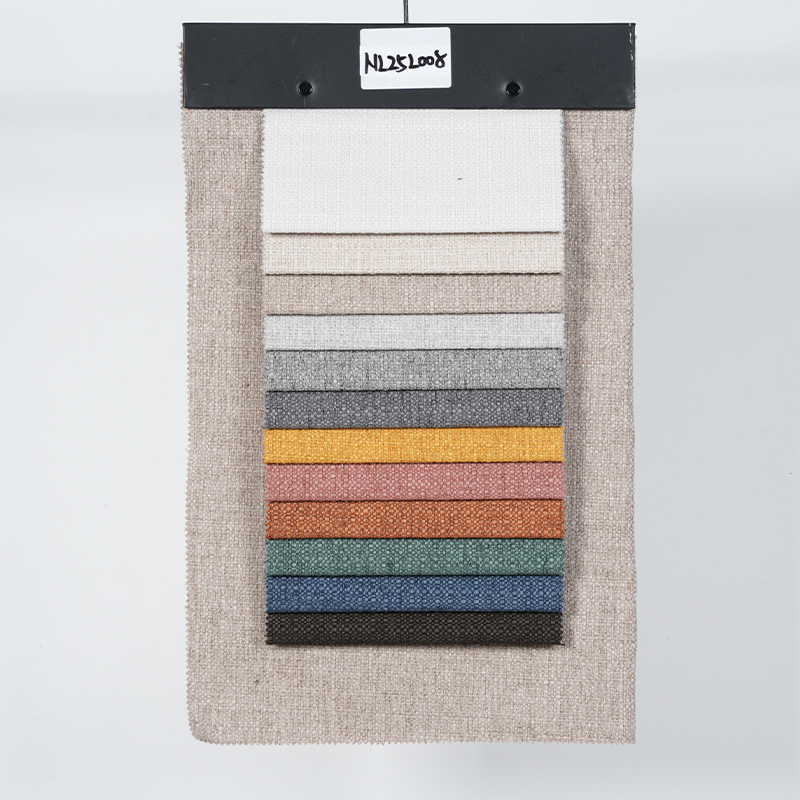
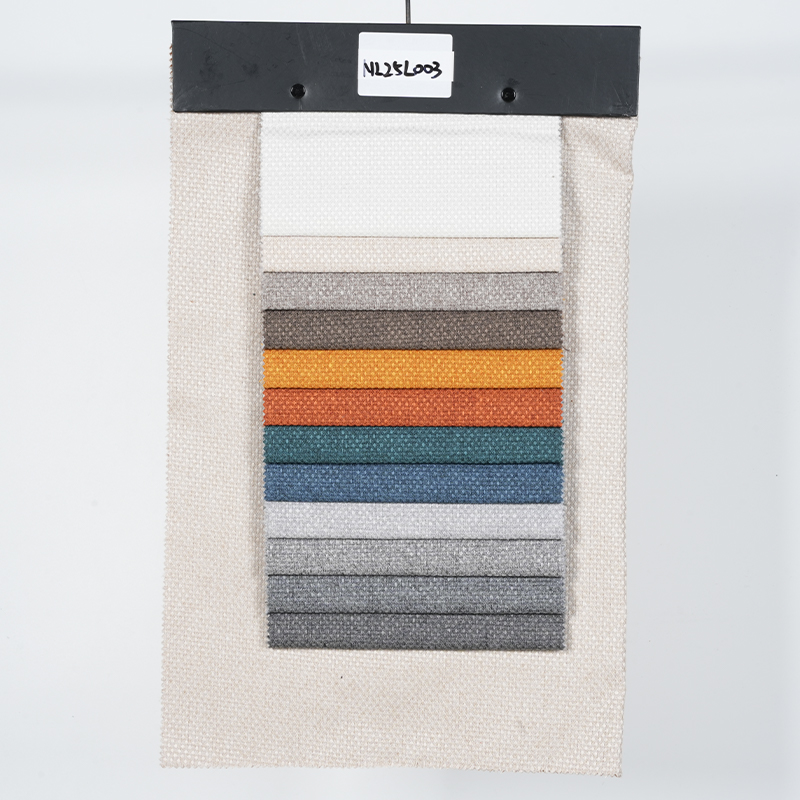
This yarn-dyed approach allows designers to mix contrasting yarn shades within the five-character grid layout. By blending dark yarns with light or mid-tone accents, the grid squares develop a dynamic, shifting appearance that changes depending on the viewing angle and ambient lighting. This premium visual depth helps finished sofas stand out on showroom floors, allowing furniture brands to secure higher margins in competitive international markets.
9. Low Maintenance and Extended Product Life Cycles
The true value of an upholstery fabric is proven over time in real-world settings where pet claws, spilled coffee, and everyday dirt test its limits. For busy commercial venues and active homes, fabrics that require specialized, expensive chemical cleaning are impractical. If an upholstery fabric is difficult to clean, its appearance deteriorates quickly, forcing users to replace the furniture prematurely.
The five character grid jacquard fabric offers an exceptionally low-maintenance user experience. Because the high-grade polyester fibers are non-porous, dry particles like dust, dirt, and pet dander do not adhere to the yarn surfaces and can be easily removed with routine vacuuming. For wet spills, the tight jacquard structure slows liquid penetration, giving users time to blot the spill away with a damp cloth before it reaches the foam padding below.
The multi-textured grid design also provides a practical everyday advantage by naturally masking minor soil and wear. Unlike flat, smooth fabrics that highlight every speck of lint or light smudge, the textured three-dimensional squares break up light reflection, keeping the sofa looking fresh and clean between cleanings. This extended aesthetic life cycle reduces maintenance costs and increases the long-term value of the furniture investment.
10. Global Regulatory Compliance and Flammability Safeguards
Exporting upholstered furniture to overseas markets requires strict adherence to international safety, environmental, and quality standards. Regulatory agencies in target regions enforce demanding fire safety laws for furniture items. Products sent to the United Kingdom must satisfy BS 5852 requirements, while shipments to North America must comply with California Technical Bulletin 117-2013, which measures resistance to smoldering and open flames.
The specialized polyester fibers used in this grid jacquard series are formulated to accept clean fire-retardant treatments during final processing. Because polyester remains physically stable under thermal finishing, these treatments can be applied thoroughly without stiffening the fabric or distorting the geometric grid lines. Treated fabrics pass international flammability tests consistently, preventing customs issues or costly compliance retrofits.
Furthermore, responsible textile production complies with global environmental certifications such as OEKO-TEX Standard 100. This standard verifies that the fabric is entirely free from harmful levels of heavy metals, formaldehydes, and volatile organic compounds. By building furniture with certified polyester jacquard textiles, export manufacturers can easily navigate strict international import rules, offering global buyers reliable, safe, and premium products.
11. Conclusion
Investing in Five Character Grid Jacquard Polyester Sofa Fabric instead of conventional flat-woven options is a strategic choice for furniture manufacturers looking to strengthen their position in global export markets. The vulnerabilities of basic plain checkered textiles—such as pattern distortion, seam sliquard slippage, flat aesthetics, and high maintenance needs—can negatively impact a brand's reputation for quality.
The engineered five-character grid structure addresses these vulnerabilities directly, providing superior abrasion resistance, excellent dimensional stability, natural acoustic dampening, and reliable processing on automated cutting tables. By combining durable polyester fibers with a sophisticated geometric weave, furniture builders can deliver premium sofas that withstand heavy use, comply with international safety rules, and fulfill the high quality expectations of modern global consumers.