English
 Español
 عربى
عربى

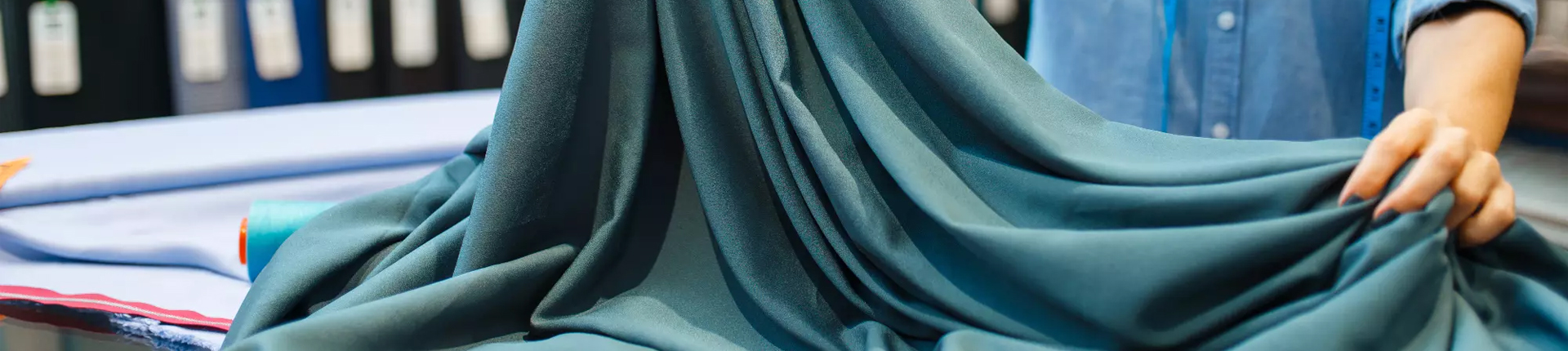
For furniture manufacturers, upholstery buyers, and export sourcing professionals, selecting the right flannel fabric directly impacts product comfort, durability, and customer satisfaction. Cotton flannel has traditionally been valued for its softness and natural breathability, but it comes with known limitations: pilling, shrinkage, and moderate wear resistance. Viscose Flannel Fabrics have emerged as a superior alternative, engineered to deliver the same plush hand feel while offering better drape, color vibrancy, and moisture management. Viscose, derived from regenerated cellulose fibers, combines the best qualities of natural and synthetic materials. It provides the softness of cotton, the luster of silk, and the absorbency of linen, all while being more consistent in quality than natural flannel. This makes viscose flannel an increasingly popular choice for high-end residential sofas, accent chairs, and decorative pillows in international furniture collections.
From a sourcing perspective, cotton flannel prices are subject to seasonal harvest fluctuations and global cotton market volatility. Viscose flannel, manufactured from wood pulp, offers more stable pricing and predictable lead times, which is critical for export oriented furniture brands managing multiple production cycles. The following table summarizes the key performance differences between viscose flannel and traditional cotton flannel, based on standard textile testing methods.
| Performance Indicator | Viscose Flannel | Cotton Flannel |
|---|---|---|
| Fabric Softness Rating | Very High (smooth, silk-like) | High (fuzzy, brushed surface) |
| Drape and Fluidity | Excellent (falls gracefully) | Moderate (stiffer hand) |
| Color Vibrancy and Retention | Excellent (dyes deeply) | Good (fades faster) |
| Moisture Regain Percentage | 11% to 13% | 8% to 10% |
| Pilling Resistance | Moderate to High | Low to Moderate |
| Shrinkage Control | Good (stable with finishing) | Poor (prone to shrinkage) |
| Cost Stability | Consistent year round | Volatile market dependent |
Data from industry testing confirms that viscose flannel outperforms cotton flannel in drape, color retention, and moisture management. For furniture applications such as upholstered headboards, decorative cushions, and accent chairs, these advantages translate into better aesthetic longevity and lower customer complaints regarding fading or misshapen fabric.
2. Understanding Viscose Fiber: Raw Material Origins and Manufacturing Process
To fully appreciate the performance characteristics of Viscose Flannel Fabrics, it is essential to understand how viscose fibers are produced. Viscose is a regenerated cellulose fiber made from natural raw materials, typically wood pulp from sustainably managed forests or bamboo. The manufacturing process begins with harvesting and chipping the wood, followed by treatment with chemicals such as sodium hydroxide and carbon disulfide to create a viscous solution. This solution is then extruded through a spinneret into an acid bath, where the fibers solidify and are then drawn, washed, cut, and dried. The result is a fiber that retains the natural feel of cellulose while offering consistent physical properties.
One of the key advantages of viscose over cotton is its uniformity. Natural cotton fibers vary in length, fineness, and strength due to growing conditions, harvesting methods, and processing variables. Viscose fibers, by contrast, are manufactured to precise specifications, ensuring that every batch of fabric behaves identically. This consistency is particularly valuable for furniture manufacturers producing large quantities of upholstered goods, as it reduces waste, streamlines cutting and sewing operations, and minimizes the risk of quality deviations between production runs.
Additionally, viscose fibers can be engineered with specific properties for different applications. For flannel fabrics, the fibers are typically crimped to create bulk and softness, then spun into yarns with a slight twist to maintain fabric integrity while preserving a brushed, fuzzy surface. The ability to customize fiber characteristics makes viscose flannel highly adaptable to various furniture styles, from plush, cozy sofas to more structured, tailored seating.
3. The Flannel Finish: Brushing Technology and Surface Texture
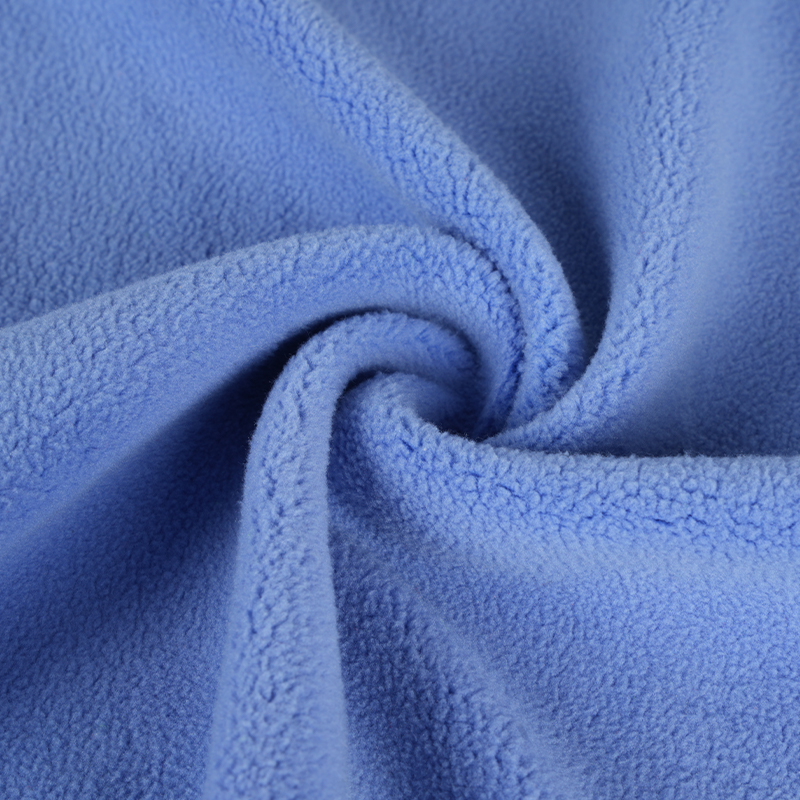
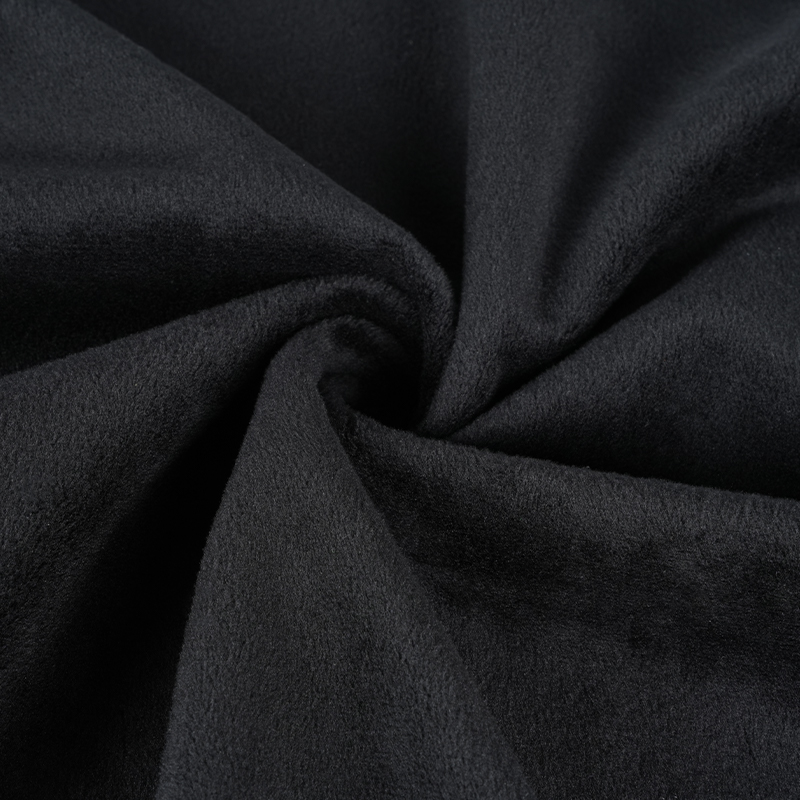
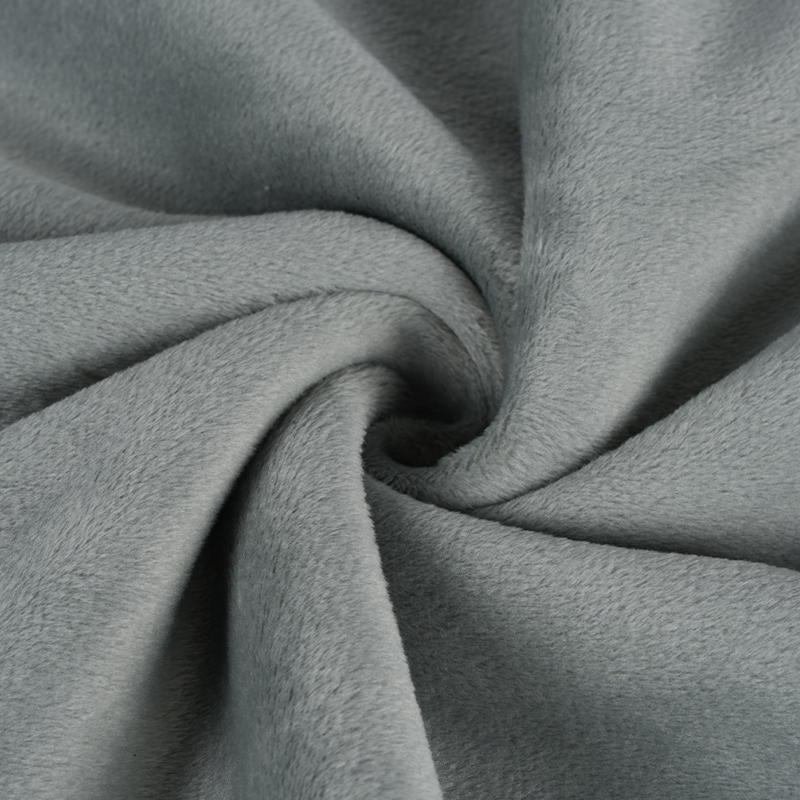
The term flannel refers not to the fiber content but to the finishing process applied to the fabric. Flannel is characterized by a brushed or napped surface, created by mechanically raising fibers from the yarns to form a soft, fuzzy layer. This process involves passing the fabric over rotating rollers covered with fine wire brushes or teasel plants, which lift short fibers to the surface. The result is a fabric that traps air, providing warmth and a velvety touch. For Viscose Flannel Fabrics, the brushing process is carefully controlled to achieve the ideal balance between softness and durability.
Viscose fibers respond exceptionally well to brushing due to their smooth, cylindrical shape and uniform diameter. When brushed, viscose fibers lift evenly, creating a dense, consistent nap that feels luxurious against the skin. Cotton fibers, by contrast, are ribbon-like and irregular, leading to a less uniform brushed surface that can feel uneven or scratchy. Furthermore, viscose's higher moisture regain means the fabric feels cool in summer and warm in winter, enhancing year-round comfort for sofa users.
The degree of brushing can be adjusted to produce different flannel weights and textures. Light brushing results in a subtle, velvety surface suitable for lightweight throws and decorative pillows. Heavy brushing produces a deep, plush nap ideal for cold-weather seating and bedding. Furniture manufacturers can specify the desired brushing intensity based on the end use, allowing for precise customization of the final product's hand feel and appearance.
4. Durability and Wear Resistance of Viscose Flannel in Upholstery Applications
One common concern among furniture buyers regarding viscose fabrics is their durability compared to synthetic or natural alternatives. Modern Viscose Flannel Fabrics have been significantly improved through advances in fiber technology and finishing treatments. Standard viscose flannel achieves Martindale abrasion test results in the range of 15,000 to 25,000 cycles, placing it firmly in the medium duty residential category. For light to moderate use applications such as accent chairs, headboards, and decorative cushions, this level of durability is entirely sufficient.
For higher traffic applications such as family room sofas or contract seating, enhanced viscose blends are available. Adding a small percentage of polyester or nylon to the yarn construction can increase Martindale ratings to 30,000 cycles or more while preserving the soft, brushed surface characteristic of flannel. These blended fabrics offer the best of both worlds: the luxurious hand feel and drape of viscose combined with the wear resistance and dimensional stability of synthetics. When sourcing viscose flannel for upholstery, it is important to request Martindale test reports from ISO accredited laboratories and to verify that the fabric's intended use matches its tested performance level.
In addition to abrasion resistance, seam strength and tear strength are critical for upholstery applications. Viscose flannel fabrics with a balanced weave construction and adequate fabric weight typically perform well in these tests, provided that proper sewing techniques are used. Needles should be sharp and appropriately sized, stitch density should be optimized, and thread tension should be carefully adjusted to prevent seam puckering or fiber damage. With proper handling, viscose flannel produces durable, long lasting upholstered furniture that maintains its appearance over years of use.
5. Moisture Management and Comfort: Why Viscose Flannel Excels
One of the most notable properties of viscose fibers is their high moisture regain, typically 11% to 13% by weight. This means viscose can absorb significant moisture from the air or from skin contact without feeling damp. For sofa upholstery, this translates into exceptional comfort across a range of environmental conditions. In humid climates, viscose flannel wicks moisture away from the body, promoting evaporative cooling. In dry conditions, it releases moisture slowly, preventing static buildup and maintaining a pleasant, non-clammy feel. Cotton flannel, with moisture regain of 8% to 10%, performs well but does not match viscose's moisture buffering capacity.
This moisture management property also benefits the fabric's appearance and longevity. Viscose fibers do not hold onto surface moisture the way some synthetics do, reducing the risk of water spots and staining from perspiration or accidental spills. While viscose flannel is not inherently stain resistant, it responds well to professional cleaning and spot treatment when spills are addressed promptly. For furniture brands targeting customers who value both comfort and practicality, viscose flannel offers a compelling combination of breathability, moisture control, and ease of maintenance.
From a thermal regulation perspective, the brushed surface of flannel traps air, providing insulation in cold weather. However, unlike heavy wool or acrylic flannels, viscose flannel remains breathable, preventing overheating. This makes it suitable for year round use in residential settings, from winter evenings to summer afternoons. Furniture manufacturers can market viscose flannel upholstered sofas as comfortable in all seasons, a distinct advantage over fabrics that feel cold in winter or hot in summer.
6. Color Performance: Dyeing Capabilities and Lightfastness
Viscose fibers have an amorphous molecular structure, meaning they lack the highly crystalline regions found in cotton or polyester. This makes viscose exceptionally receptive to dyes, allowing for deep, rich colors with excellent penetration. Viscose Flannel Fabrics can be dyed using reactive, direct, or vat dyes, depending on the desired colorfastness and application. Reactive dyes bond chemically with the cellulose molecules, producing bright, wash fast colors that resist fading. Direct dyes offer cost effective solutions for standard color ranges, while vat dyes provide maximum lightfastness for outdoor or high exposure applications.
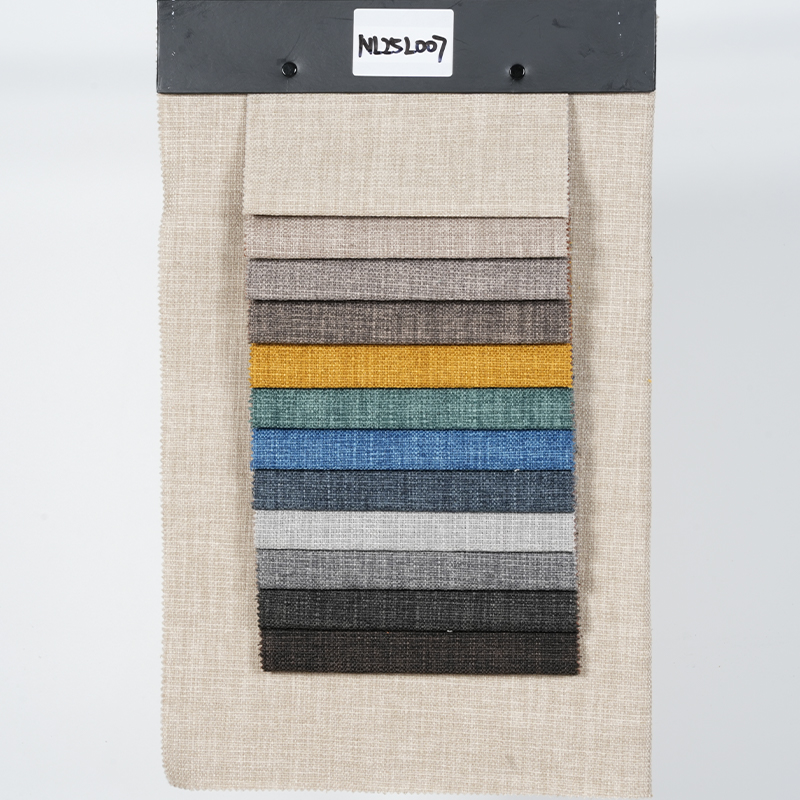
The result of this dye affinity is that viscose flannel achieves color vibrancy and saturation levels that cotton flannel struggles to match. For furniture brands differentiating through distinctive color palettes, viscose flannel offers an opportunity to create rich jewel tones, deep earth shades, and pastel hues that remain true over time. Custom color matching is readily available from suppliers with in house dyeing capabilities, with minimum order quantities typically ranging from 1,000 to 3,000 meters depending on the complexity of the shade.
Lightfastness, or resistance to fading from sunlight exposure, is an important consideration for furniture placed near windows or in sunrooms. Standard viscose flannel fabrics typically achieve lightfastness ratings of 3 to 4 on the blue wool scale (1 to 8, where 8 is best). This is adequate for most residential applications. For higher exposure environments, UV stabilized dyes or fabric treatments can be applied to boost lightfastness to 5 or 6. Furniture exporters shipping to sunnier climates should discuss lightfastness requirements with their fabric suppliers to ensure long term color retention.
7. Customization Capabilities: Weight, Brush Intensity, and Blend Ratios
For furniture brands seeking to create unique product identities, Viscose Flannel Fabrics offer extensive customization options beyond standard stock offerings. The first customization parameter is fabric weight, measured in grams per square meter or GSM. Lightweight viscose flannel between 180 and 220 GSM is suitable for light use applications such as decorative pillows, throws, and light chair backs. Medium weight fabrics between 220 and 300 GSM are the standard for residential sofas and accent chairs, providing a balance of softness, drape, and durability. Heavyweight versions between 300 and 400 GSM are used for commercial seating, ottomans, and headboards where structural substance is required.
The second customization axis is brush intensity, which directly affects the fabric's hand feel and appearance. Light brushing produces a subtle, velvety surface that retains some of the fabric's underlying weave structure. Medium brushing creates the classic flannel feel, soft and fuzzy without excessive pilling. Heavy brushing yields an ultra plush, almost wool like surface ideal for cold weather collections or luxury seating. Brush intensity can be varied across the fabric width as well, creating textured effects that add visual interest to upholstered pieces.
The third customization option is fiber blending. Pure viscose flannel offers maximum softness and drape, but adding small percentages of other fibers can modify performance characteristics. A 90% viscose 10% polyester blend increases abrasion resistance and reduces shrinkage while preserving most of the viscose hand feel. A 80% viscose 20% nylon blend provides even greater durability for contract applications. Viscose linen blends add texture and visual interest, while viscose cotton blends offer a more matte, natural appearance. Furniture manufacturers should work closely with their fabric suppliers to select the optimal blend ratio for their specific use case and target price point.
8. Sustainability Considerations: Viscose from Certified Sources
Sustainability is an increasingly important procurement criterion for international furniture buyers, particularly in European and North American markets. Viscose Flannel Fabrics manufactured from certified sustainable wood sources offer a responsible alternative to conventional cotton or synthetic flannels. The most widely recognized certification for viscose is the Forest Stewardship Council or FSC, which ensures that the wood pulp used comes from responsibly managed forests that provide environmental, social, and economic benefits. Many viscose producers also adhere to the EU Ecolabel standards for reduced environmental impact during manufacturing.
Closed loop production processes have been developed to recover and reuse the chemicals used in viscose fiber production, significantly reducing water pollution and chemical waste. Some suppliers offer viscose made using these advanced technologies, which capture over 99% of the solvent and recycle it back into the production system. For furniture brands targeting eco conscious consumers or seeking LEED certification for their products, specifying viscose flannel from closed loop sources provides verifiable sustainability credentials.
It is worth noting that cotton flannel, while natural, has significant environmental impacts including high water consumption, pesticide use, and soil degradation. Conventional cotton farming accounts for a large percentage of global insecticide use. Viscose, by contrast, uses less land and water per ton of fiber produced, especially when sourced from fast growing trees like eucalyptus or beech. When evaluating sustainability claims, furniture buyers should request documentation such as FSC certificates, OEKO TEX reports, and evidence of closed loop processing to ensure that their chosen viscose flannel meets genuine environmental standards rather than relying on vague green marketing claims.
9. Manufacturing Standards for Reliable Viscose Flannel Suppliers
For export oriented furniture manufacturers, supplier reliability and product consistency are paramount. A competent supplier of Viscose Flannel Fabrics should demonstrate vertical integration, controlling fiber sourcing, spinning, weaving, brushing, dyeing, and finishing in house. This integration reduces quality variability and allows for faster response to quality issues or production delays. It also supports smaller minimum order quantities for custom developments, enabling furniture brands to test new designs without excessive inventory risk.
Look for suppliers that provide comprehensive test reports from ISO accredited laboratories. Key reports for viscose flannel should include fabric weight, yarn count, thread count, tensile strength, tear strength, seam slippage, Martindale abrasion, pilling resistance, color fastness to light, rubbing, and perspiration. Suppliers that maintain OEKO TEX Standard 100 certification demonstrate commitment to chemical safety and compliance with international regulations regarding restricted substances. This certification is particularly important for furniture exported to the European Union, where strict limits apply to formaldehyde, heavy metals, and other harmful chemicals.
Lead time transparency is another critical metric. Reliable suppliers will publish standard lead times for stock fabrics, typically 7 to 14 days for sampling and 20 to 30 days for bulk orders. For custom developments including unique colors, blend ratios, or brush intensities, sampling typically takes 15 to 25 days, followed by bulk production lead times of 30 to 45 days depending on order complexity and quantity. Furniture manufacturers should request customer references and conduct trial orders before committing to large contracts with any new viscose flannel supplier.
10. Long Term Value of Viscose Flannel for Furniture Product Lines
The furniture industry is increasingly moving toward materials that offer both aesthetic appeal and practical performance. Viscose Flannel Fabrics are positioned at the intersection of luxury and functionality, providing the soft, brushed surface that consumers love while offering better drape, color, and moisture management than cotton flannel. For furniture brands seeking to differentiate themselves in competitive export markets, viscose flannel provides a tangible quality advantage that can be communicated to end customers through product descriptions and showroom displays.
As consumer awareness of fabric performance grows, so does demand for upholstery that feels luxurious, wears well, and maintains its appearance over time. Viscose flannel meets these expectations across multiple dimensions. Its uniform fiber structure ensures consistent quality from batch to batch, reducing manufacturing waste and customer complaints. Its high dye affinity enables distinctive color palettes that stand out in retail environments. Its moisture management properties enhance user comfort across seasons and climates. And with sustainable sourcing options, it appeals to environmentally conscious buyers without sacrificing performance.
For furniture export businesses competing in international markets, standardizing on high quality viscose flannel as a core upholstery material simplifies supply chain management, improves production predictability, and strengthens brand reputation. By partnering with an experienced viscose flannel manufacturer that offers customization, testing, and certification support, furniture brands can build product lines that deliver lasting value to their customers while maintaining competitive pricing structures. The combination of natural fiber comfort and engineered consistency makes viscose flannel a strategic material choice for modern furniture manufacturing.
Frequently Asked Questions
Question 1: Is viscose flannel durable enough for everyday sofa use?
Answer: Yes, for moderate residential use. Standard viscose flannel achieves Martindale abrasion ratings of 15,000 to 25,000 cycles, which is suitable for sofas used daily in family living rooms. For higher traffic applications such as rental properties or commercial settings, blended viscose with added polyester or nylon can achieve 30,000 cycles or more. Always request test reports to match fabric performance to your specific use case.
Question 2: Does viscose flannel shrink or stretch after cleaning?
Answer: Viscose flannel can shrink if improperly cleaned, but high quality fabrics are preshrunk during finishing to minimize dimensional change. Professional dry cleaning is recommended for upholstery pieces. For removable covers, gentle machine washing in cold water with mild detergent followed by air drying typically results in minimal shrinkage of 2% to 3%. Always follow the supplier's care label instructions.
Question 3: How does viscose flannel compare to polyester flannel in terms of comfort?
Answer: Viscose flannel is significantly more breathable and comfortable than polyester flannel due to its higher moisture regain and natural cellulose structure. Polyester flannel can feel clammy in humid conditions and may generate static electricity. Viscose flannel provides a soft, warm, breathable surface that remains comfortable across a wider range of temperatures and humidity levels, making it the preferred choice for premium upholstery.
Question 4: Can viscose flannel be used for outdoor or high moisture applications?
Answer: Standard viscose flannel is not recommended for outdoor use or high moisture environments such as poolside furniture or bathrooms. Viscose loses strength when wet and is susceptible to mildew if left damp. For covered outdoor applications such as screened porches, specially treated viscose with moisture resistant finishes and UV stabilizers may be suitable. Always consult your supplier for specific product recommendations for non standard environments.
Question 5: What certifications should I look for when sourcing viscose flannel for export?
Answer: For export to European and North American markets, look for OEKO TEX Standard 100 certification for chemical safety, FSC certification for sustainable wood sourcing where applicable, and ISO test reports for abrasion, tensile strength, and color fastness. For eco conscious product lines, inquire about closed loop production processes and recycled content options. These certifications support regulatory compliance and build customer trust.
References
1. ISO 12947-2:2016. Determination of abrasion resistance of fabrics by Martindale method. International Organization for Standardization.
2. ISO 105-B02:2014. Textiles Tests for colour fastness Part B02: Colour fastness to artificial light: Xenon arc fading lamp test. International Organization for Standardization.
3. Chen, J. (2019). Regenerated Cellulose Fibers: Viscose, Modal, Lyocell and Their Applications. Woodhead Publishing.
4. OEKO TEX Standard 100. (2025). Global certification system for textile raw materials and intermediate products. OEKO TEX Association.
5. Textile Exchange. (2025). Preferred Fiber and Materials Market Report: Manmade Cellulosic Fibers Market Analysis. Textile Exchange Publishing.