English
 Español
 عربى
عربى

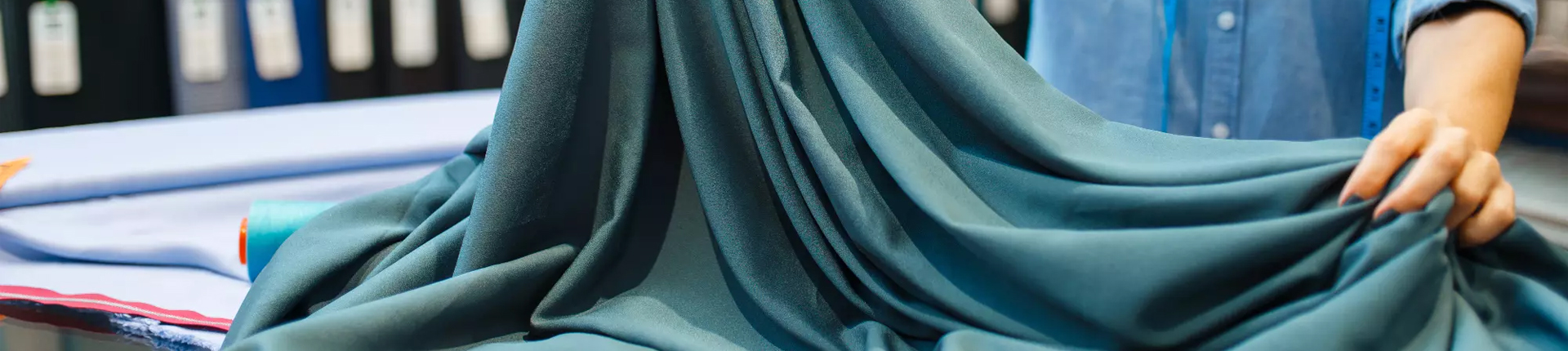
1. Chenille vs Velvet: A Detailed Performance Comparison for Furniture Sourcing
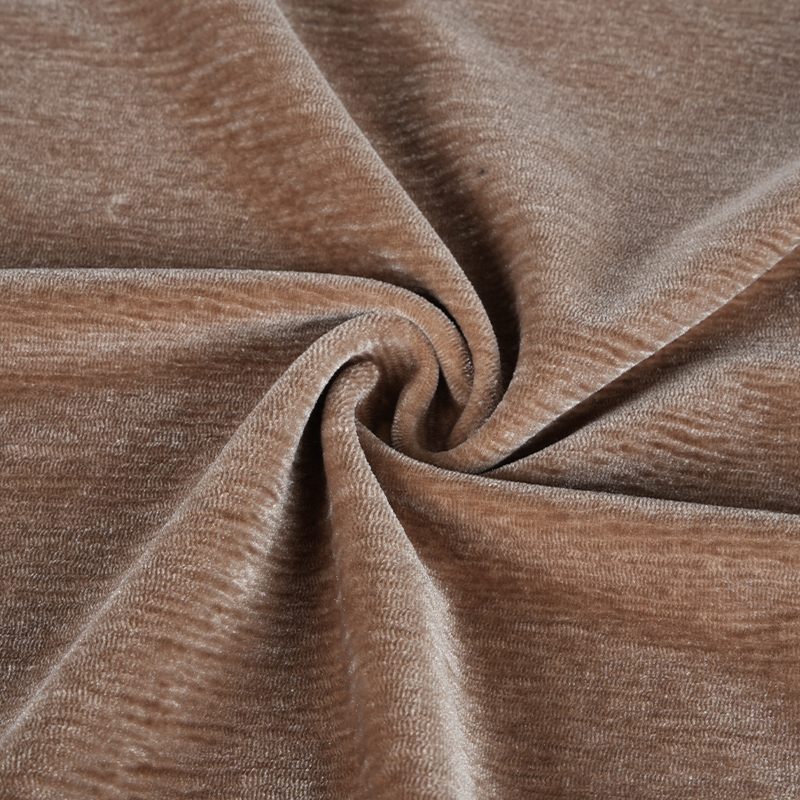
For furniture manufacturers, upholstery buyers, and export sourcing professionals, choosing between chenille and velvet is a critical decision that affects product comfort, durability, and market positioning. Both fabrics offer luxurious softness and visual richness, but they achieve these qualities through fundamentally different constructions. Chenille Upholstery Fabrics are built from unique yarns where short pile fibers are trapped between two core threads, creating a fuzzy, caterpillar like texture. Velvet, by contrast, is constructed using a cut pile weave where fibers are evenly distributed across a base fabric, producing a smooth, uniform surface with a distinctive sheen. Understanding these structural differences helps furniture brands select the right material for specific applications, from high end residential sofas to contract seating.
From a performance perspective, chenille and velvet each have distinct advantages. Chenille offers superior softness and a textured, inviting appearance that works well in casual and transitional furniture styles. Its pile on core construction creates a fabric that feels warm and cozy, making it ideal for family rooms and living areas. Velvet provides a sleek, lustrous finish that reflects light beautifully, lending an air of formality and elegance to accent chairs, headboards, and luxury seating. However, velvet is generally more delicate and requires more careful maintenance, while high quality chenille can achieve excellent durability when properly constructed. The following table summarizes the key performance differences between these two premium upholstery fabrics.
| Performance Indicator | Chenille Upholstery | Velvet Upholstery |
|---|---|---|
| Yarn Construction | Pile on core caterpillar like | Cut pile dense and uniform |
| Surface Texture | Fuzzy, textured, very soft | Smooth, lustrous, uniform |
| Softness Rating | Very High | High |
| Abrasion Resistance Martindale | 15,000 to 40,000 cycles | 10,000 to 25,000 cycles |
| Pilling Resistance | Moderate depends on fiber quality | Low to Moderate |
| Stain Resistance | Moderate requires treatment | Low to Moderate |
| Ideal Applications | High end residential sofas, chairs, headboards | Luxury decor, accent chairs, headboards |
Data from industry testing confirms that chenille generally outperforms velvet in abrasion resistance and pilling resistance when both are constructed with similar fiber quality. For furniture destined for daily use in family homes, chenille offers better long term value. For pieces used sparingly where visual drama is paramount, velvet remains an excellent choice.
2. Understanding Chenille Yarn Structure: The Foundation of Softness
The unique character of Chenille Upholstery Fabrics begins at the yarn level, with a construction fundamentally different from standard spun or filament yarns. Chenille yarns are produced by sandwiching short lengths of fiber, known as the pile, between two strong core threads. This assembly is then twisted or woven to lock the pile fibers in place, creating the fabric's signature fuzzy, caterpillar like appearance. The pile fibers can be made from various materials including cotton, rayon, polyester, acrylic, or blends, each contributing different performance characteristics to the finished fabric.
The quality of a chenille yarn depends on several factors. First is the density of the pile fibers: higher density creates a fuller, more luxurious fabric with better coverage and durability. Second is the twist of the core threads: tighter twists provide better pile retention and reduce shedding. Third is the length and fineness of the pile fibers: longer, finer fibers produce softer, more uniform chenille. Finally, the base fiber material determines properties such as stain resistance, color retention, and abrasion resistance. Polyester based chenille offers superior durability and stain resistance, while rayon or cotton based chenille provides exceptional softness and breathability at a lower price point.
For furniture manufacturers, understanding chenille yarn construction helps in specifying the right fabric for different applications. High density chenille with polyester pile and tightly twisted cores is best for heavy use sofas and family room seating. Lower density chenille with softer pile fibers is suitable for decorative pillows, light use chairs, and headboards where ultimate softness is prioritized over extreme durability. By working with an experienced supplier, brands can select or customize chenille yarns to match their specific performance requirements and target price points.
3. Abrasion Resistance and Martindale Testing for Chenille Fabrics
Among all technical specifications for upholstery fabrics, Martindale abrasion resistance is the most important indicator of long term durability. This test measures how many rub cycles a fabric can withstand before showing visible wear. For Chenille Upholstery Fabrics, typical Martindale values range from 15,000 to over 40,000 cycles, placing them in the medium to heavy duty residential category. The wide range reflects the diversity of chenille quality available in the market, from budget friendly options suitable for light use to premium constructions that rival commercial grade fabrics.
Several factors influence a chenille fabric's Martindale performance. Pile fiber material is primary: polyester chenille generally outperforms rayon or cotton chenille in abrasion resistance. Pile density also matters: densely packed pile fibers protect the underlying base fabric, delaying wear. Core yarn twist affects how well the pile remains anchored; higher twist cores reduce fiber pullout. Finally, the finishing process can include treatments that bind pile fibers more securely, further enhancing abrasion resistance. When sourcing chenille for sofas that will see daily use, request Martindale test reports and look for values above 25,000 cycles.
It is important to note that Martindale alone does not determine overall fabric durability. Tensile strength, tear strength, seam slippage resistance, and pilling resistance all contribute to real world performance. However, for initial material screening, Martindale remains the most standardized and internationally recognized benchmark. When comparing chenille from different suppliers, ensure that test reports come from ISO accredited laboratories and that testing conditions were consistent across samples.
4. Pilling Resistance: Why Some Chenille Pills and Others Do Not
Pilling is a common concern for chenille upholstery fabrics. Pills are small, unsightly balls of fiber that form on the fabric surface due to abrasion during use. Chenille's pile on core construction makes it potentially more susceptible to pilling than smooth surfaced fabrics because the pile fibers are exposed and can work loose over time. However, high quality Chenille Upholstery Fabrics are engineered to resist pilling through careful fiber selection, yarn construction, and finishing treatments.
The primary factor influencing pilling resistance is the quality of the pile fibers. Longer, finer fibers with high tensile strength are less likely to break and form pills. Polyester fibers inherently resist pilling better than rayon or cotton because they are stronger and more elastic. The twist of the core yarns also matters: tightly twisted cores hold pile fibers more securely, reducing the number of loose fibers available to form pills. Finally, finishing processes can include singeing or shearing to remove protruding fibers and heat setting to lock the pile structure.
When sourcing chenille for upholstery, request pilling test results from the supplier. Standardized tests such as the ICI pilling box test or Martindale pilling assessment rate fabrics on a scale of 1 to 5, where 5 is best. For residential sofas, look for chenille with a pilling rating of 4 or higher. Blended chenille containing polyester or nylon typically achieves better pilling resistance than pure rayon or cotton versions. With proper specification, chenille fabrics can provide years of use without significant pilling, maintaining their luxurious appearance.
5. Stain Resistance and Maintenance Requirements for Chenille
Stain resistance is a critical consideration for furniture used in family homes, rental properties, or commercial settings. Chenille Upholstery Fabrics have moderate inherent stain resistance due to their textured, absorbent surface. However, this can be significantly enhanced through fiber selection and finishing treatments. Solution dyed polyester chenille offers the best stain resistance because the color is locked within the fiber and the material is hydrophobic, meaning it repels water based spills. Rayon or cotton chenille is more absorbent and therefore more vulnerable to staining, though treatments can improve performance.
For furniture manufacturers targeting families with children or pets, specifying chenille with a stain resistant finish is strongly recommended. These finishes, often fluorocarbon based or PFAS free alternatives, create a barrier that causes liquids to bead on the fabric surface rather than soaking in. Spills can be blotted away before they penetrate, greatly reducing the risk of permanent staining. Some suppliers offer chenille with built in stain resistance as a standard feature, while others apply it as an optional treatment for an additional cost.
Routine maintenance for chenille upholstery is straightforward. Regular vacuuming with an upholstery attachment removes dust and loose debris before it can work into the pile. Spills should be blotted immediately with a clean, dry cloth, never rubbed, as rubbing can spread the stain and damage the pile. For deeper cleaning, professional steam cleaning or dry cleaning is recommended depending on the fiber content. Always check the supplier's care label before attempting any cleaning method, and test any cleaning product on a hidden area first to ensure colorfastness.
6. Color Performance and Lightfastness in Chenille Fabrics
The visual appeal of Chenille Upholstery Fabrics depends heavily on color depth, uniformity, and resistance to fading. Chenille's textured surface scatters light in multiple directions, creating rich, complex color effects that change with viewing angle and lighting conditions. This makes chenille particularly effective for sofas and chairs where depth of color enhances the overall design. However, the same texture that creates beautiful color effects can also make color inconsistencies more noticeable if the fabric is poorly dyed or constructed.
Fiber selection strongly influences dyeing results. Rayon and cotton chenille absorb dyes readily, producing deep, vibrant colors with excellent penetration. However, these fibers are less resistant to fading from sunlight exposure. Polyester chenille requires specialized disperse dyes and higher temperatures for dyeing but offers superior lightfastness. Solution dyed polyester chenille, where pigment is added to the polymer before fiber extrusion, provides the best color retention, with lightfastness ratings of 6 to 7 on the blue wool scale where 8 is best. For furniture that will be placed near windows or in sunrooms, solution dyed or UV stabilized chenille is strongly recommended.
Custom color matching is readily available from experienced chenille manufacturers. Suppliers with in house dyeing capabilities can match Pantone or Lab values precisely, enabling furniture brands to create proprietary color palettes. Minimum order quantities for custom colors typically range from 1,000 to 3,000 meters depending on the complexity of the shade and the base fiber. When ordering custom colors, request lab dips and strike off samples to verify color accuracy before bulk production, and specify the required lightfastness rating for your intended application.
7. Customization Capabilities: Yarn, Color, Weight, and Finish
For furniture brands seeking to differentiate themselves in competitive export markets, customization is essential. Chenille Upholstery Fabrics offer extensive customization parameters that go far beyond simple color selection. The first and most impactful customization is yarn construction. By adjusting pile fiber material, density, length, and core yarn twist, manufacturers can create chenille with specific hand feel characteristics ranging from ultra soft and plush to more structured and durable. This allows brands to develop signature fabrics that feel distinct from anything else on the market.
The second customization axis is fabric weight, measured in grams per square meter or GSM. Lightweight chenille between 250 and 350 GSM is suitable for decorative pillows, light use chair backs, and headboards. Medium weight chenille between 350 and 450 GSM is the standard for residential sofas, balancing plushness with durability and drape. Heavyweight chenille between 450 and 600 GSM is used for commercial seating, ottomans, and floor cushions where maximum substance and wear resistance are required. Weight adjustments are achieved by modifying pile density, yarn size, and base fabric construction.
The third customization dimension is finishing. Beyond basic brushing and shearing, chenille can receive specialized finishes that enhance performance. Stain resistant finishes improve cleanability, antimicrobial treatments reduce odor causing bacteria, and softening agents enhance hand feel. Lamination to foam or knitted backings adds dimensional stability, reduces shedding, and provides additional comfort. Laser cutting and engraving technologies enable precise surface patterning, creating modern, sophisticated designs on traditional chenille. For brands with strong design identities, working with a vertically integrated chenille manufacturer unlocks these customization possibilities without excessive lead times or minimum quantities.
8. Lamination Technology: Enhancing Chenille Performance for Modern Furniture
Traditional chenille fabrics, while luxurious, have limitations including potential shedding, stretching, and dimensional instability. Modern lamination technologies have transformed chenille into a high performance upholstery material suitable for demanding applications. Lamination involves bonding the chenille face fabric to a backing material such as foam, woven substrate, or knit fabric using water based, hot melt, or oil based adhesives. This process addresses many of the traditional weaknesses of chenille while preserving its soft, textured surface.
Foam lamination adds a layer of polyurethane foam between the chenille face and the backing. This provides several benefits: the foam creates additional cushioning, enhancing seating comfort; it improves dimensional stability, preventing the fabric from stretching or sagging over time; and it helps lock the chenille pile in place, significantly reducing shedding. For sofas and chairs that will see daily use, foam laminated chenille offers superior longevity compared to unlaminated alternatives. The foam also adds thermal and acoustic insulation, making the furniture more comfortable in varied environments.
Knit or woven substrate lamination bonds chenille to a stable backing fabric without adding significant thickness or cushioning. This approach is ideal for applications where the fabric must maintain precise dimensions, such as tight seat cushions or upholstered panels. The backing prevents edge curl, seam puckering, and stretching during both manufacturing and use. For furniture manufacturers producing high volumes of standardized pieces, substrate laminated chenille provides consistency and reduces production waste. When sourcing laminated chenille, verify that the adhesive used is appropriate for your application and that the lamination process does not negatively affect the fabric's hand feel or breathability.
9. Sustainability and Certifications for Chenille Upholstery Fabrics
Sustainability is increasingly important for international furniture buyers, particularly in European and North American markets. Chenille Upholstery Fabrics can be manufactured with certified sustainable materials and processes, meeting the demands of eco conscious consumers and contract specifiers. The most relevant certification for chenille is OEKO TEX Standard 100, which ensures that the fabric has been tested for hundreds of harmful substances including formaldehyde, heavy metals, and restricted azo dyes. OEKO TEX certification is essential for furniture exported to the European Union and is increasingly requested by North American buyers.
For brands targeting the highest levels of environmental responsibility, GRS or Global Recycled Standard certification provides auditable proof of recycled content. Chenille made from GRS certified recycled polyester uses post consumer plastic waste as its raw material, diverting waste from landfills and reducing reliance on virgin petroleum. These recycled fabrics maintain the same mechanical performance and appearance as virgin polyester chenille, offering a truly sustainable alternative without compromising quality. Some suppliers also offer chenille made from certified sustainable rayon, derived from FSC certified wood pulp from responsibly managed forests.
Beyond raw material certifications, manufacturing processes matter. Suppliers that operate closed loop water systems reduce water consumption and pollution. Those using renewable energy sources lower their carbon footprint. And those with SLCP or Social and Labor Convergence Program certification demonstrate commitment to ethical labor practices. When evaluating chenille suppliers for export contracts, request documentation of all relevant certifications and ask about environmental management systems. Transparent suppliers will provide this information readily, supporting your brand's sustainability claims with verifiable evidence.
10. Application Guide: Selecting the Right Chenille for Different Furniture Types
Not all chenille fabrics are suitable for every furniture application. Matching fabric specifications to furniture type ensures optimal performance and customer satisfaction. For stationary sofas in residential living rooms, a medium weight chenille between 350 and 450 GSM with a Martindale rating of 25,000 to 40,000 cycles provides an ideal balance of softness and durability. Polyester or polyester blend chenille is recommended for family homes due to its superior stain resistance and ease of cleaning. The fabric should have moderate pile density for a plush feel without excessive shedding.
For accent chairs and headboards that receive lighter use, lighter weight chenille between 250 and 350 GSM may be appropriate. Rayon or cotton chenille can be used in these applications to maximize softness and breathability at a lower price point. Because these pieces see less abrasion, the lower durability of natural fiber chenille is acceptable. However, custom orders for accent chairs still benefit from stain resistant finishes, as spills are always possible regardless of use intensity.
For commercial seating in hotels, reception areas, or executive offices, select heavyweight chenille above 450 GSM with a Martindale rating above 40,000 cycles. Solution dyed polyester chenille is strongly recommended for its superior lightfastness and stain resistance. Foam or substrate lamination adds dimensional stability and reduces maintenance requirements. For outdoor or covered patio furniture, chenille is generally not recommended unless specifically treated with UV stabilizers and water repellent finishes. Even with treatment, chenille's textured surface can trap moisture and debris, making it less suitable for exterior applications than smooth surfaced polyester fabrics.
Frequently Asked Questions
Question 1: Does chenille upholstery fabric shed over time?
Answer: High quality chenille with tightly twisted core yarns and dense pile construction sheds minimally after initial use. Some shedding is normal during the first few weeks as loose fibers from manufacturing work free. To minimize shedding, vacuum regularly and consider laminated chenille which locks pile fibers more securely. Excessive shedding that continues beyond the first few months indicates poor construction and should be addressed with the supplier.
Question 2: Can chenille be cleaned with water based cleaners?
Answer: It depends on the fiber content. Polyester and acrylic chenille can typically be spot cleaned with mild water based solutions. Rayon and cotton chenille are more water sensitive and may shrink or develop water rings. Always test any cleaner on a hidden area first and blot rather than rub. For deep cleaning, professional dry cleaning is safest for all chenille types. Check the supplier's care label for specific recommendations.
Question 3: Is chenille suitable for homes with pets?
Answer: Yes, with careful selection. Choose tightly woven chenille with short, dense pile that does not trap claws or pet hair. Polyester chenille with a stain resistant finish is best for pet owners because it resists moisture and is easier to clean. Avoid loosely constructed chenille with long pile that can be snagged by claws. Regular vacuuming to remove pet hair and dander will extend the fabric's life.
Question 4: What is the typical lead time for custom chenille fabrics?
Answer: For custom colors of standard chenille constructions, sampling typically takes 15 to 25 days including lab dips and strike offs. Bulk production requires an additional 30 to 45 days after sample approval. For fully custom yarn construction or weave patterns, sampling may take 30 to 45 days followed by bulk production of 45 to 60 days. Minimum order quantities for custom work usually range from 1,000 to 3,000 meters. Stock chenille fabrics ship within 7 to 14 days.
Question 5: How does chenille compare to microfiber for upholstery?
Answer: Chenille is generally softer and more luxurious feeling than microfiber, with a textured, visually interesting surface. Microfiber offers superior stain resistance and is easier to clean, making it better for extremely high traffic or family homes with very young children. For most residential applications where aesthetics matter, chenille is preferred. For applications prioritizing ultimate durability and cleanability, microfiber may be a better choice. Blended fabrics combining both are also available.
References
1. ISO 12947-2:2016. Determination of abrasion resistance of fabrics by Martindale method. International Organization for Standardization.
2. ISO 105-B02:2014. Textiles Tests for colour fastness Part B02: Colour fastness to artificial light: Xenon arc fading lamp test. International Organization for Standardization.
3. Kadolph, S.J. (2016). Textiles: Basics and Beyond. Pearson Education.
4. OEKO TEX Standard 100. (2025). Global certification system for textile raw materials and intermediate products. OEKO TEX Association.
5. Textile Exchange. (2025). Preferred Fiber and Materials Market Report: Recycled Polyester and Cellulosic Fibers. Textile Exchange Publishing.