English
 Español
 عربى
عربى

Understanding Sheer Fabric: A Comprehensive Overview
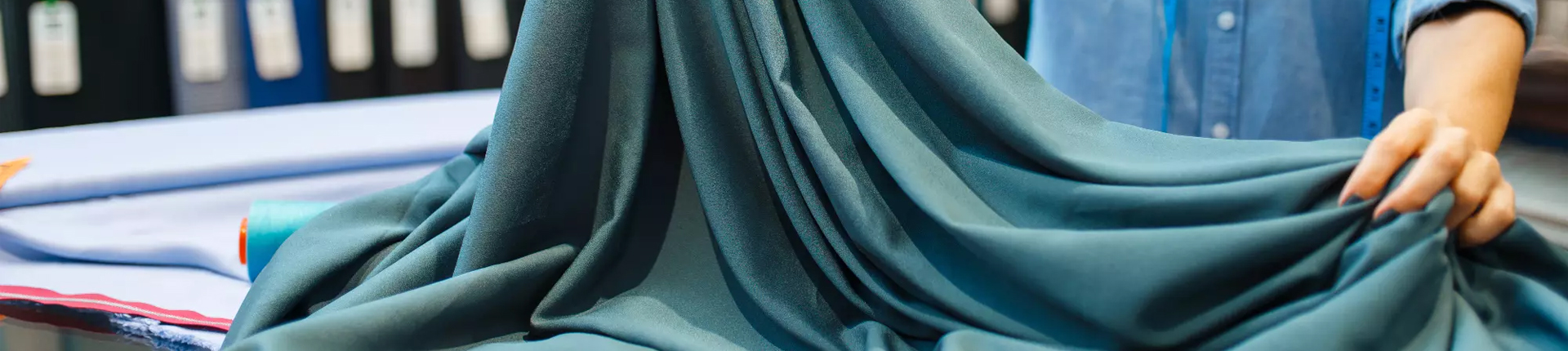
When we discuss the world of textiles, few materials evoke a sense of elegance, breathability, and delicacy quite like sheer fabric. By definition, a sheer is any semi-transparent and flimsy cloth, which is made using a very thin thread or a low density of knit. This unique construction results in a semi-transparent and flimsy cloth that allows varying degrees of light to pass through. The beauty of these fabrics lies in their versatility; they are not limited to a single fiber type. Sheers can be crafted from natural fibers like silk, cotton, and linen, or from durable synthetic blends such as polyester, nylon, and rayon.
The appeal of sheer fabric extends far beyond its visual translucency. In the fashion industry, it is a staple for layering, adding dimension to wedding gowns, evening wear, and summer blouses without adding significant weight. In interior design, specifically in window treatments, these fabrics act as light filters, softening harsh sunlight while maintaining a connection to the outdoors. The specific weave—often a plain open weave—is what dictates the fabric's transparency. However, working with and wearing these fabrics requires an understanding of their drape, handle, and fragility. Whether you are a fashion designer looking to create an ethereal silhouette or a homeowner seeking to brighten a living space, understanding the fundamental properties of these textiles is the first step toward a successful project.
The market offers an incredible array of finishes, from the matte look of cotton voile to the high shine of synthetic organza. Understanding the nuances of "denier" (fiber thickness) and thread count is crucial. A lower denier generally contributes to a more delicate, see-through appearance. While they appear fragile, many modern synthetic sheers are engineered to be surprisingly robust, resisting wrinkles and shrinking, which makes them accessible for everyday use rather than just special occasions.
- Light Filtration: Diffuses natural light to create a soft, glowing ambiance in any room.
- Breathability: Due to the loose weave, air circulates freely, making it ideal for warm-weather clothing.
- Layering Potential: Perfect for adding depth to outfits or window treatments without adding bulk.
- Drape Quality: Ranges from stiff and crisp (like organza) to soft and fluid (like chiffon).
- Versatility: Suitable for everything from bridal veils and lingerie to curtains and table runners.
Below is a comparison of Natural vs. Synthetic sheer materials:
| Category | Natural Fibers (Silk, Cotton) | Synthetic Fibers (Polyester, Nylon) |
| Breathability | High breathability, excellent for skin contact. | Moderate to low breathability, can trap heat. |
| Durability | Delicate, prone to sun damage and wrinkling. | High durability, resistant to wrinkles and fading. |
| Price Point | Generally more expensive and luxurious. | Cost-effective and widely available. |
Exploring Types of Sheer Fabric Names and Their Characteristics
Navigating a fabric store can be overwhelming due to the sheer volume of options available. Knowing the specific types of sheer fabric names is essential for selecting the right material for your specific project. Not all sheers are created equal; they vary significantly in terms of stiffness, drape, texture, and opacity. For instance, while one fabric might be perfect for a structured puffy sleeve, the same fabric would be disastrous for a flowing maxi dress. The terminology often refers to the weave and finish rather than the fiber itself.
One of the most popular types is Voile, a soft, lightweight fabric usually made of 100% cotton or blends, known for its superior drape and breathability. Then there is Batiste, which is extremely fine and opaque compared to other sheers, often used for lining high-quality garments. Georgette offers a unique texture; it is a crepe fabric that feels slightly rough and dull, providing a beautiful bounce. On the other hand, Tulle is a netting fabric, stiff and often used for underskirts or veils to add volume. Lace, while patterned, also falls under the sheer category due to its openwork structure.
Identifying these fabrics by name allows you to predict how they will behave under a sewing machine needle and how they will hang on a body or a window rod. Designers often mix these textures—pairing a structured organza with a fluid chiffon—to create contrast within a single garment. When shopping online or in-store, asking for these fabrics by their specific names ensures you get exactly what your pattern calls for, avoiding the disappointment of buying a fabric that is too stiff or too limp for your design.
- Voile: Soft, free-flowing, and usually made from cotton or poly-cotton blends; ideal for casual curtains.
- Batiste: A fine, plain-weave fabric that is lightweight but durable; often used in lingerie and heirloom sewing.
- Georgette: A crepe-textured sheer that is semi-transparent and drapes beautifully; common in blouses.
- Tulle: A fine mesh netting that is stiff and creates volume; essential for tutus and bridal gowns.
- Gauze: A loose, open weave that has a rustic, crinkled look; perfect for summer beachwear.
| Fabric Name | Texture Feel | Best Application |
| Voile | Soft, smooth, silky | Curtains, summer dresses |
| Georgette | Grainy, dry, bouncy | Blouses, evening gowns |
| Tulle | Stiff, net-like, scratchy | Underskirts, veils, decorations |
The Difference Between Chiffon and Organza: A Detailed Comparison
Among the many varieties, the difference between chiffon and organza is perhaps the most frequently asked question by novice sewers and fashion enthusiasts. Both fabrics are staples in evening wear and bridal fashion, and they can look somewhat similar from a distance due to their transparency. However, their structural properties are diametrically opposite. Understanding this distinction is vital because substituting one for the other can completely alter the silhouette of a garment.
Chiffon is known for its fluidity. It is a lightweight, plain-woven fabric with a soft drape that flows over the body like water. It does not hold a rigid shape. If you want a dress that flutters in the wind or a skirt that pools on the floor, chiffon is your choice. It has a slight shimmer but is generally more matte than organza.
Conversely, Organza is characterized by its crispness and stiffness. It is also a plain weave but is treated with acid (in the case of silk) or heat-set (in synthetics) to achieve a stiff handle. Organza holds its shape well, making it the superior choice for structured garments, puffed sleeves, and architectural details. It tends to have a higher sheen and reflects light more than chiffon. While chiffon hugs the body, organza stands away from it, creating volume without weight.
- Drape: Chiffon is fluid and clingy; Organza is stiff and structured.
- Texture: Chiffon feels slightly rough (crepe-like) or smooth; Organza feels crisp and paper-like.
- Reflectivity: Organza generally has a higher shine compared to the more matte finish of Chiffon.
- Sewing Ease: Both are slippery, but Organza is easier to cut because it lies flat, whereas Chiffon can shift constantly.
| Feature | Chiffon | Organza |
| Silhouette | Flowing, soft, body-hugging | Voluminous, structural, puffy |
| Fraying | Frays easily, requires french seams | Frays moderately, edges can be sharp |
| Common Use | Overlay on dresses, scarves | Facings, stiff overlays, bridal volume |
Selecting the Best Sheer Fabric for Curtains and Home Decor
When decorating a home, window treatments play a pivotal role in light management and privacy. Choosing the best sheer fabric for curtains depends largely on the mood you wish to create and the functionality required for the specific room. Sheer curtains are rarely about blocking light; rather, they are about diffusing it to protect furniture from UV rays while keeping the interior bright. The right fabric can transform a stark room into a cozy sanctuary by softening the architectural lines.
Polyester Voile is often cited as the top contender for curtains. It mimics the look of cotton but offers superior durability, fade resistance, and is machine washable, making it practical for high-traffic households. For a more organic, textured look, linen sheers are incredibly popular in modern farmhouse or coastal designs. They have a visible weave that adds character, though they may wrinkle more easily.
If you are looking for a touch of glamour, sheer fabrics with embroidered patterns or metallic threads can add visual interest without overwhelming the space. It is also important to consider the "fullness" of the curtain. Because the fabric is thin, you generally need double or triple the width of the window to create luxurious folds. A skimpy sheer curtain can look cheap, whereas a generously gathered one looks expensive and custom-made.
- Privacy Level: Consider how tight the weave is; tighter weaves like Batiste offer day-time privacy, while open nets do not.
- Sun Resistance: Synthetic blends (Polyester) resist sun-rot better than natural silk sheers.
- Drape: Weighted hems are often necessary for lightweight sheers to help them hang straight.
- Maintenance: Large curtains are difficult to hand wash; machine-washable synthetics are preferred for large windows.
| Room Type | Recommended Fabric | Reason |
| Living Room | Linen or Faux-Linen Sheer | Adds texture and elegance; filters light beautifully for social spaces. |
| Bedroom | High-Density Voile | Provides better privacy during the day while maintaining softness. |
| Kitchen | Polyester Cafe Curtains | Easy to clean (grease/steam resistant) and allows maximum light. |
Master the Craft: How to Sew Sheer Fabric Without Puckering
Sewing with delicate materials can be intimidating. The most common frustration enthusiasts face is how to sew sheer fabric without puckering. Puckering occurs when the fabric gathers or bunches along the seam line, ruining the smooth finish of the garment. This usually happens because the fabric is too lightweight to feed through the machine evenly, or the tension on the thread is too high for the delicate fibers. However, with the right preparation and tools, you can achieve a professional, flat seam.
First and foremost, the needle matters. You must change your standard universal needle to a "Microtex" or "Sharp" needle (size 60/8 or 70/10). These needles are incredibly fine and pierce the fabric cleanly without pushing it down into the bobbin area. Secondly, stitch length is crucial. A shorter stitch length (around 1.5mm to 2.0mm) helps prevent the fabric from being pulled out of shape.
Another professional secret is the use of stabilizers. Placing a piece of tissue paper or tear-away stabilizer under the fabric while you sew can provide the necessary support to move the fabric over the feed dogs smoothly. Once the seam is sewn, you simply tear the paper away. Additionally, avoid back-stitching at the beginning and end of seams, as this often causes the fabric to get "eaten" by the machine. Instead, leave long tails and tie them off by hand.
- Thread Selection: Use fine, lightweight thread (like silk or 60wt polyester) to match the fabric weight.
- Needle Check: Always start with a fresh, sharp needle; dull needles snag sheers instantly.
- Tension Adjustment: You may need to lower your upper thread tension slightly to prevent pulling.
- Cutting: Use a rotary cutter and a mat rather than scissors to ensure straight lines without lifting the slippery fabric.
- Seam Type: French seams are the gold standard for sheers, enclosing raw edges for a neat finish.
| Common Problem | Why It Happens | The Solution |
| Skipped Stitches | Needle is too thick or dull. | Switch to a Size 60/8 Microtex needle. |
| Fabric "Eaten" by Machine | Throat plate hole is too wide. | Use a straight-stitch plate or place tissue paper under the start. |
| Wavy Seams | Fabric stretching while sewing. | Use a walking foot to feed layers evenly. |
Longevity and Maintenance: Sheer Fabric Care Instructions
Once you have purchased or created items with these beautiful textiles, knowing the proper sheer fabric care instructions is vital to ensure they last. Sheer fabrics, by nature of their thin construction, are susceptible to snags, tears, and heat damage. The care method largely depends on the fiber content (natural vs. synthetic), but the general rule is "gentle is better." Aggressive agitation in a washing machine can distort the weave or cause pilling.
For most synthetic sheers like polyester curtains, a machine wash on a delicate cycle with cool water is acceptable. However, it is highly recommended to place the items inside a mesh laundry bag. This bag acts as a barrier, preventing the sheer fabric from wrapping around the agitator or getting snagged on zippers and buttons of other clothes. Never overload the machine; sheers need room to move to get clean without excessive wrinkling.
Drying and ironing require equal caution. High heat is the enemy of sheer fabrics. A hot iron can melt synthetic sheers instantly or scorch natural ones. Air drying is always the safest method. Hang curtains back on the rod while they are still damp; gravity will pull most of the wrinkles out as they dry. If ironing is necessary, use the lowest setting and always use a pressing cloth between the iron and the fabric.
- Label Check: Always check the manufacturer's care label first; "Dry Clean Only" means dry clean only.
- Whitening: For yellowed white sheers, soak in an oxygen-based bleach solution rather than harsh chlorine bleach.
- Stain Removal: Spot clean gently; do not rub vigorously as this can shift the threads and create a hole.
- Storage: Store sheer garments hanging up to avoid deep creases; use padded hangers to prevent shoulder bumps.
| Care Step | Do | Don't |
| Washing | Use cool water and mild liquid detergent. | Don't use hot water or heavy-duty powders. |
| Drying | Line dry or tumble dry on "Air Only." | Don't wring out the fabric excessively. |
| Ironing | Use steam or low heat with a barrier cloth. | Don't iron directly on embellishments. |
FAQ
What is the most transparent sheer fabric available?
The most transparent sheer fabric is typically Organza or fine Tulle. Organza, especially when made from silk or high-quality polyester, has a very open weave and a crisp finish that allows maximum light to pass through with very little distortion. Tulle, being a net structure, is technically the most see-through, as it is largely comprised of empty space between the mesh. However, for a traditional woven fabric that isn't a net, chiffon and georgette are also very transparent, though they offer slightly more distortion due to their crepe twist yarns.
Does sheer fabric fray easily and how can I stop it?
Yes, sheer fabric is notorious for fraying because the threads are slippery and the weave is loose. To stop fraying, you should use enclosed seams, such as French seams, which hide the raw edges completely inside the seam allowance. Alternatively, you can use a serger (overlocker) to finish the edges with a rolled hem. For a quick fix on non-clothing items, a small amount of clear fray-check liquid can be applied to the edge, though this may stiffen the fabric slightly.
Can I dye synthetic sheer fabrics at home?
Dyeing synthetic sheers (like polyester) at home is possible but requires specific dyes. Standard all-purpose dyes work well on natural fibers like cotton or silk but will simply wash off polyester. You must use a dye specifically formulated for synthetics (often labeled as "Poly" or "Synthetic" dye). This process requires high heat (boiling water) to open up the plastic fibers to accept the color. Be aware that the high heat required can sometimes damage very delicate textures, so a test swatch is highly recommended.
What needle size should I use for sewing sheers?
For sewing sheer fabrics, you should use the smallest needle possible. A size 60/8 or 70/10 is ideal. It is best to use a "Microtex" or "Sharp" needle rather than a "Universal" needle. Microtex needles have a very sharp, acute point that penetrates the fine threads without snagging or pushing the fabric down into the needle plate. If you hear a popping sound while sewing, your needle is likely too dull or too thick.