English
 Español
 عربى
عربى

What Is Brush Fabric and Why It Matters
Core Characteristics of Brush Fabric
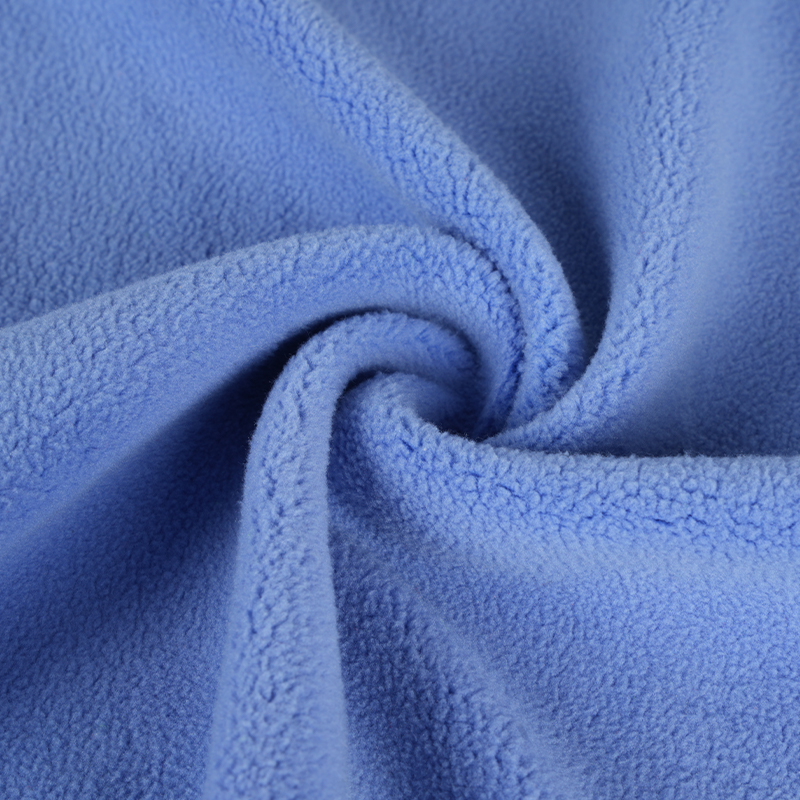
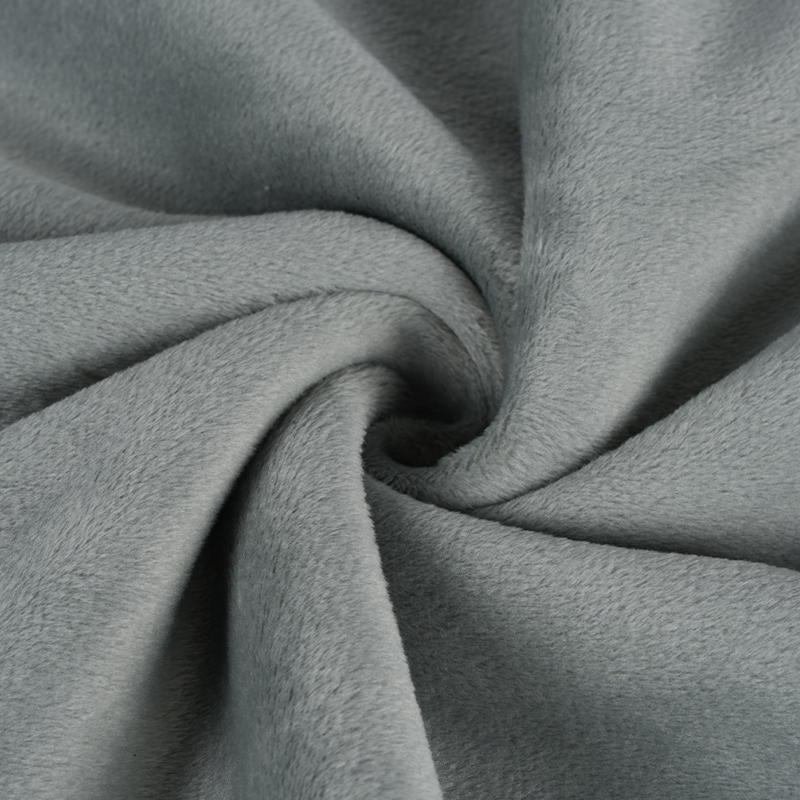
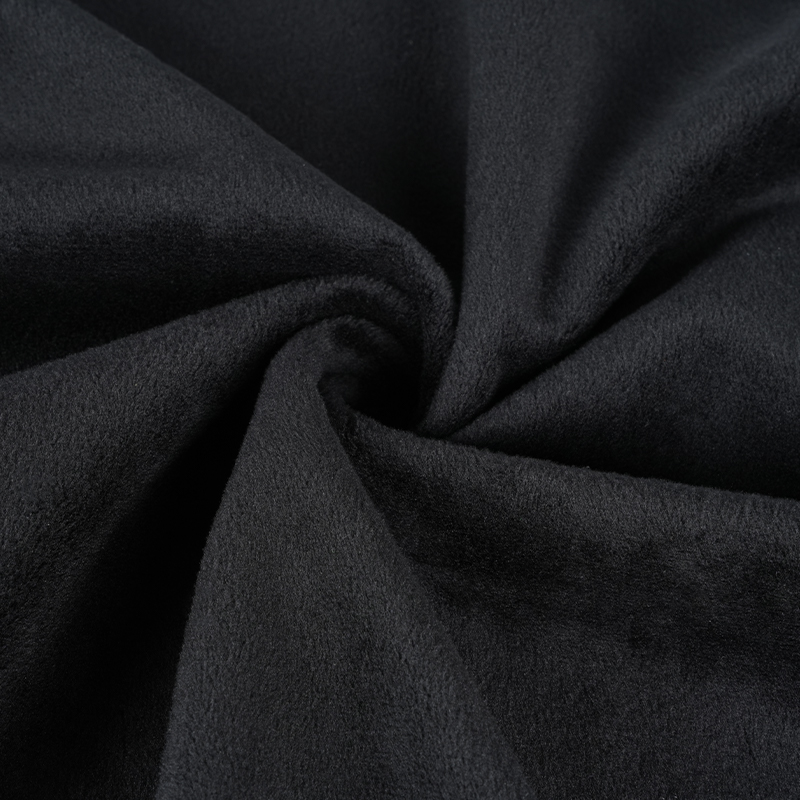
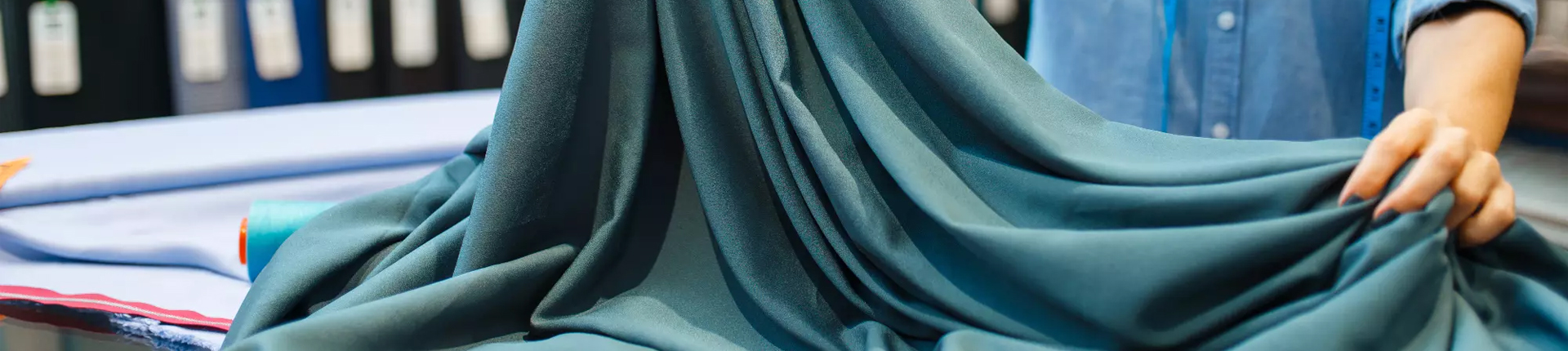
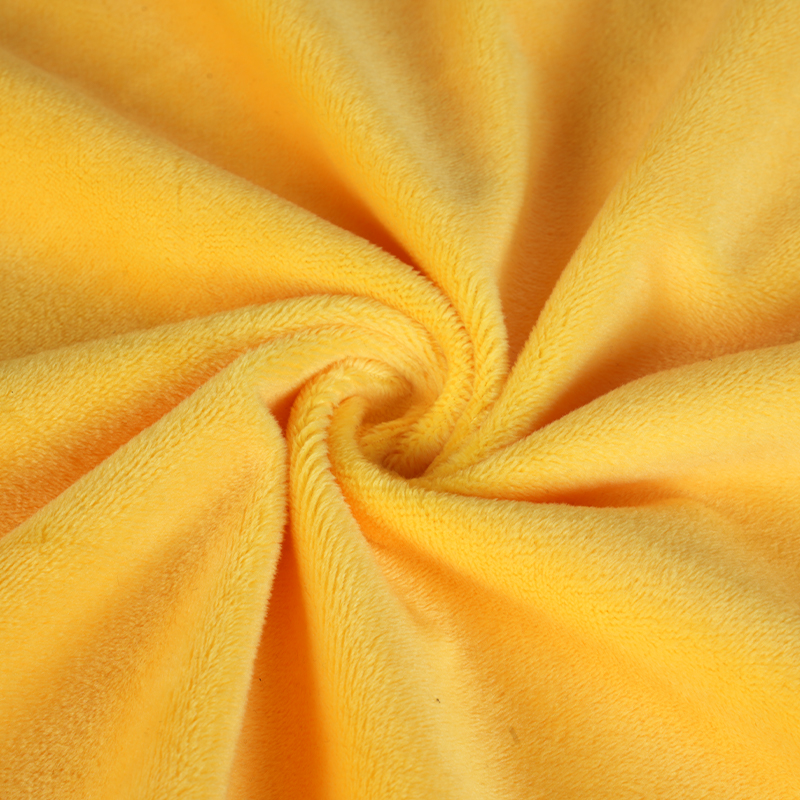
Brush fabric refers to textile material that has undergone a brushing process to create a soft, fuzzy, and warm surface. This technique lifts the fibers from the fabric surface to form a gentle nap, resulting in an exceptionally cozy hand feel. The brushed texture not only enhances comfort but also improves insulation, making the fabric widely used in apparel, accessories, and home textiles. Whether used in lightweight tops or winter wear, brush fabric provides a balance of softness, breathability, and durability. It is especially appreciated in garments that require close skin contact because the brushing process reduces roughness and enhances the sensory experience. Moreover, this material is versatile, adaptable to natural fibers, synthetic fibers, and blended structures. As end-use applications diversify, brushed fabric continues to be an essential choice for many clothing categories, combining comfort, warmth, and long-lasting performance in different environmental conditions.
- Soft and warm surface texture
- Improved insulation and comfort
- Suitable for multiple fiber compositions
How Brush Fabric Is Made
The manufacturing of brush fabric involves carefully engineered mechanical brushing, where rollers equipped with fine wires gently lift the fiber ends from the surface. This process can be applied to both sides of the fabric or only one, depending on the intended application and comfort requirements. Before brushing, the fabric often undergoes pre-treatment steps such as washing, singeing, or heat-setting to ensure smooth operation and consistent quality. After brushing, the fabric may be further finished through processes like shearing, calendaring, or heat-setting again, to control the nap height and surface uniformity. This combination of treatments not only enhances the tactile sensation but also improves fabric stability, preventing pilling and excessive shedding. High-quality brushed textiles tend to exhibit even nap distribution, controlled softness, and durable performance after repeated washing. Manufacturers often adjust brushing density, pressure, and speed depending on the material type to achieve optimum softness and resilience.
- Mechanical brushing increases softness
- Optional single or double-sided finish
- Additional finishing improves stability
Benefits Compared With Other Fabric Types
Compared with unbrushed fabrics, brush fabric delivers superior tactile comfort and warmth, which makes it ideal for colder environments and close-contact garments. The brushing process creates micro-air pockets between the lifted fibers, acting as natural insulation to retain body heat. This feature is especially useful in winter wear, athletic apparel, and sleepwear where warmth performance is essential. Additionally, brush fabric tends to drape more softly and provide a relaxed, comforting feel, making it a top choice for casual and leisure clothing. Unlike heavier insulating materials, brushed textiles maintain a lightweight structure while still offering excellent thermal properties. They are also generally more breathable, ensuring that moisture can escape while keeping the wearer comfortable. Overall, the combination of thermal efficiency, softness, and versatility gives brushed fabrics a competitive advantage over many traditional textiles.
- Better insulation due to fiber lifting
- Lighter than many warm fabric alternatives
- Improved comfort and drape
| Feature | Brushed Fabric | Regular Fabric |
| Softness | High | Medium |
| Warmth | Enhanced | Standard |
| Surface Texture | Raised, fluffy | Smooth or flat |
Key Types of Brush Fabric Used in Clothing
Soft Brushed Fabric for Clothing
Performance and Comfort
Soft brushed fabric for clothing is widely used in everyday wear because of its excellent tactile feel and lightweight insulation. This fabric type is particularly popular in tops, leggings, pajamas, and warm base layers. The brushing process enhances the material’s smoothness, making it suitable for sensitive skin and extended wear throughout the day. It retains comfortable airflow while providing a gentle warming effect, making it adaptable across seasons. In lightweight apparel, this fabric delivers softness without compromising breathability, helping the wearer stay comfortable during different levels of activity. The material’s adaptability across synthetic and natural fibers also increases its appeal in various clothing categories.
- Soft against the skin for long wear
- Ideal for base layers and casual clothing
- Light yet warm design
Recommended Uses
Soft brushed materials are highly valued for garments requiring continuous comfort and movement flexibility. The surface nap minimizes friction, helping reduce irritation and discomfort. Its elasticity and adaptability also support ergonomic garment construction for improved body fit. This fabric type is also easy to dye and finish, making it a versatile option for fashion and functional clothing collections. Whether used for sports apparel or loungewear, its durability ensures lasting comfort after repeated washing cycles.
- Pajamas, T-shirts, leggings
- Base layers for daily wear
- Lightweight sweaters and tops
Brushed Polyester Fabric for Winter Wear
Warmth Retention
Brushed polyester fabric for winter wear is engineered to provide maximum heat retention while maintaining durability and moisture-wicking capability. Polyester fibers respond well to brushing because they are resilient and can hold their structure even when heavily processed. The brushed surface traps warm air, offering enhanced thermal performance without significantly increasing fabric weight. This makes brushed polyester a preferred material for winter jackets, thermal pants, and cold-weather sportswear. In addition, its hydrophobic nature promotes quick drying, which is essential for outdoor and athletic environments. The combination of warmth, moisture management, and lightweight design makes brushed polyester ideal for cold-season apparel.
- High heat retention due to trapped air pockets
- Lightweight compared to other insulation fabrics
- Moisture-wicking and quick drying
Durability and Care
Brushed polyester offers impressive resistance to wear, pilling, and color fading. Its synthetic composition enables consistent performance even after frequent washes, making it a low-maintenance option for consumers. The material withstands stretching and repeated friction better than many natural fibers, maintaining structural integrity over time. Care routines for this type of fabric are generally simple, requiring mild detergents and cold water washes to preserve the brushed texture. Unlike some natural brushed fabrics, polyester versions tend not to shrink, adding to their consumer convenience.
- Strong resistance to abrasion
- Colorfast and shrink resistant
- Easy laundering and fast drying
Brushed Cotton Fabric Advantages
Breathability
Brushed cotton fabric advantages include exceptional breathability, natural softness, and a warm yet non-synthetic touch. Cotton fibers create a gentle and absorbent surface after brushing, maintaining excellent airflow while delivering comfort. This makes brushed cotton ideal for sleepwear, children’s garments, and breathable winter clothing. Its ability to regulate moisture and reduce overheating makes it suitable for day-long wear. Because cotton is naturally hypoallergenic, brushed cotton textiles provide safe and irritation-free usage for individuals with sensitive skin.
- Highly breathable and moisture-absorbent
- Soft texture ideal for sensitive skin
- Suitable for year-round apparel
Skin-Friendliness
Brushed cotton is widely appreciated for its gentle texture, which reduces friction and enhances wearer comfort. The brushing process increases the softness while maintaining cotton’s biodegradable, natural profile. This fabric type is also a preferred option for producing eco-friendly garments since cotton fibers break down more easily than synthetics. Additionally, brushed cotton garments maintain warmth without creating a heavy or synthetic feeling, making them popular in bedding, pajamas, and casual winter clothing.
- Low irritation surface
- Ideal for children’s and baby clothing
- Eco-friendly disposal properties
Double Sided Brushed Fabric Applications
Outdoor Apparel
Double sided brushed fabric applications are especially valuable in products requiring enhanced comfort and insulation because both surfaces are brushed for maximum softness. This configuration offers improved warmth retention, making it suited for outdoor gear such as hoodies, thermal underwear, and hiking apparel. The double-brushed structure creates dual layers of micro-air pockets, strengthening insulation while keeping weight low. In activewear, the softness on both sides reduces friction and enhances comfort during high-movement activities.
- Suitable for hiking, trekking, and cold-weather sports
- Increases insulation through dual nap surfaces
- Soft interior and exterior for enhanced comfort
Home Textiles
Double-sided brushed fabrics also excel in home textiles, providing a plush feel for blankets, bedsheets, and lounge accessories. The dual-sided texture ensures consistent softness regardless of orientation, making it especially desirable for bedding products. These fabrics retain warmth effectively, contributing to a restful sleeping environment in colder climates. Their durability and easy-care nature add further value to home textile products.
- Blankets and throws
- Luxury bedsheets and bedding accessories
- Warm indoor loungewear
How to Choose the Right Brush Fabric for Garments
How to Choose Brushed Fabric for Garments
Purpose and Usage
How to choose brushed fabric for garments depends on the specific clothing purpose, climate, and comfort expectations. Lightly brushed materials are excellent for daily wear and transitional-season garments, offering breathability with subtle warmth. Heavily brushed or double-sided brushed fabrics are better suited for winter apparel requiring higher insulation. Garments such as leggings, sportswear, and outer layers should focus on flexibility, abrasion resistance, and moisture management. On the other hand, sleepwear or lounge garments should prioritize softness and skin-friendliness, usually opting for materials like brushed cotton or modal blends.
- Match brushing intensity to intended warmth level
- Consider daily vs. seasonal usage
- Evaluate comfort requirements based on garment type
Fabric Composition Considerations
The fiber composition significantly influences the performance of brushed fabrics. Natural fibers like cotton provide breathability and skin comfort, while synthetic versions such as polyester offer strength, elasticity, and warmth retention. Blended fabrics can balance the advantages of both types. The choice of composition should align with the garment’s intended use, whether durability, warmth, or comfort is prioritized. Additionally, composition determines the care requirements and long-term appearance of the garment.
- Cotton for softness and breathability
- Polyester for resilience and warmth
- Blends for balanced performance
Testing Softness and Density
When evaluating brushed fabrics, checking softness, surface uniformity, and density can guide better selection. A high-quality brushed textile should feature even nap distribution and smooth texture without excessive shedding. Density affects warmth, drape, and durability; thicker materials generally provide higher insulation and longer lifespan. Wearers seeking lightweight warmth may prefer thin yet densely brushed fabrics that retain heat without bulk. Evaluating these factors ensures garment comfort and performance meet expectations.
- Smooth, even nap indicates good quality
- Dense brushing increases warmth retention
- Low shedding suggests durable construction
| Criteria | Light Brushed | Heavy Brushed |
| Warmth | Moderate | High |
| Weight | Light | Medium to Heavy |
| Best Use | Daily wear | Winter apparel |
Comparisons Between Brush Fabric and Other Materials
Brush Fabric vs. Fleece
Brush fabric and fleece both excel in warmth, but they differ in texture, breathability, and flexibility. Brushed textiles maintain a more natural drape and softer hand feel, while fleece offers thicker insulation. Brushed fabric tends to breathe better and is often preferred for clothing worn close to the skin. Fleece, however, may provide superior thermal performance in extreme cold.
- Brush fabric is softer and more breathable
- Fleece offers stronger insulation
- Brushed fabrics drape more naturally
Brush Fabric vs. Regular Polyester
Regular polyester fabrics are smooth and durable but lack the cozy texture of brushed versions. Brushing transforms polyester into a softer, warmer, and more comfortable material. While unbrushed polyester is better for durability and water resistance, brushed polyester offers a superior tactile experience.
- Brushed polyester is warmer and softer
- Regular polyester has stronger water resistance
- Brushed polyester is preferred for winter apparel
Brush Fabric vs. Flannel
Flannel is often made from cotton or wool and has a characteristic lightly fuzzy surface similar to brush fabric. The key difference is that flannel is usually woven loosely, while brushed fabric can come from tightly woven or knitted textiles. As a result, brushed materials may offer better elasticity and adaptability for various garments. Flannel provides strong insulation but may feel heavier.
- Flannel is heavier and warmer
- Brush fabric is more flexible and versatile
- Both provide excellent comfort and softness
| Material | Brush Fabric | Flannel |
| Weight | Light to Medium | Medium to Heavy |
| Elasticity | High (knitted options) | Low |
| Comfort | Soft and smooth | Warm and cozy |
FAQ
Is brushed fabric good for sensitive skin?
Yes. Most brushed fabrics, especially cotton-based ones, are suitable for sensitive skin because the brushing process softens the surface and eliminates rough fiber ends. This reduces irritation and increases overall comfort during wear.
Does brushed fabric keep you warm?
Brushed fabric provides enhanced warmth through micro-air pockets formed during the brushing process. These pockets trap heat close to the body, making the material ideal for winter or cold environments.
Is brushed fabric durable?
Durability depends on fiber composition, but polyester and blended brushed fabrics generally offer excellent resistance to abrasion, stretching, and repeated washing. Cotton versions are durable as well but may require more careful laundering.
What is the difference between single-sided and double-sided brushed fabric?
Single-sided brushed fabric has a soft nap on one surface, making it lighter and more suitable for daily wear. Double-sided brushed fabric has both sides brushed for extra softness and warmth, ideal for winter or outdoor apparel.
Can brushed fabric be used for sportswear?
Yes. Brushed polyester and blended fabrics excel in sportswear because they provide moisture-wicking capability, warmth, and flexibility. These fabrics are widely used in activewear designed for cold or transitional weather.