English
 Español
 عربى
عربى

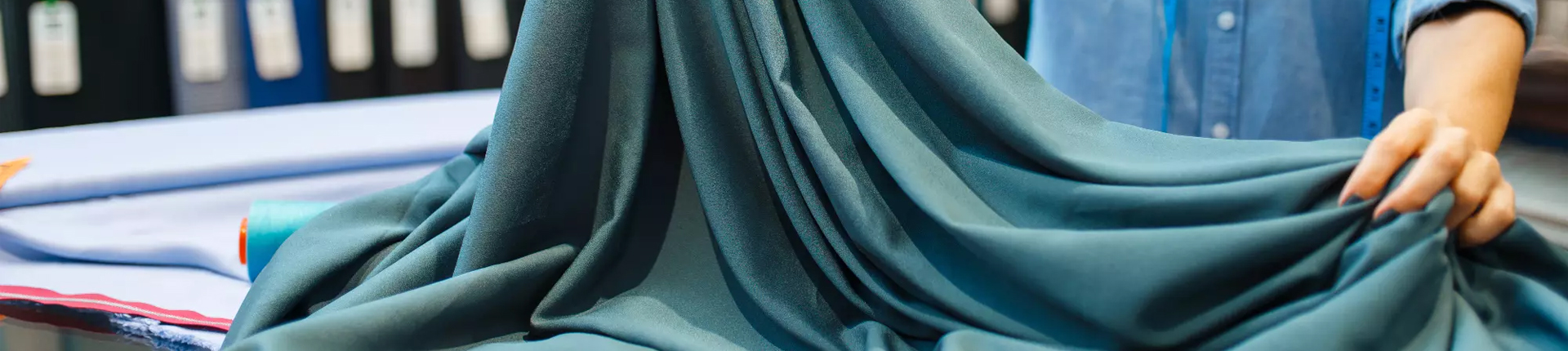
Unveiling the Artistry and Engineering of Jacquard Polyester Fabric
In the world of interior design and furniture manufacturing, the choice of upholstery fabric is a critical decision that balances aesthetics, functionality, and longevity. Among the myriad of options available, Jacquard Polyester Sofa Fabric stands out as a premier choice for discerning homeowners and manufacturers alike. This sophisticated material represents a perfect marriage of timeless weaving artistry and modern synthetic fiber technology. The jacquard loom, with its intricate mechanism for creating complex patterns, finds an ideal partner in polyester, a fiber celebrated for its resilience, color retention, and easy maintenance. This guide delves deep into the characteristics, benefits, and applications of this versatile fabric, providing a comprehensive resource for anyone considering it for their next furniture project. We will explore not only its inherent qualities but also how industry leaders like Haining Yuqi Textile Co., Ltd. leverage their expertise in warp knitting and fabric processing—including composite techniques with water glue, hot melt glue, and oil glue, as well as finishing processes like punching and laser work—to enhance the performance and appeal of these textiles. Their commitment to certification, such as GRS and OEKO-TEX, further underscores the potential for producing high-quality, responsible, and sophisticated jacquard polyester fabrics suitable for the global market.
What is Jacquard Polyester Upholstery Fabric?
This long-tail query seeks a foundational understanding of the material. Jacquard polyester upholstery fabric is a specifically engineered textile designed for covering furniture, particularly sofas, chairs, and ottomans. Its identity is derived from two key components: the weave structure and the fiber content.
The Legacy of the Jacquard Weave
The term "jacquard" refers not to a pattern itself, but to the method of weaving. Invented by Joseph Marie Jacquard in the early 19th century, the jacquard loom uses a series of punched cards to control individual warp yarns, allowing for the creation of intricate, detailed, and often large-scale patterns directly woven into the fabric. Unlike printed fabrics where the design sits on the surface, jacquard patterns are integrated into the very structure of the textile. This results in a fabric with a rich, textured feel and a reversible design that is typically subtler on the backside. Patterns can range from classic damasks, florals, and scrolls to contemporary geometric and abstract designs.
The Advantages of Polyester Fiber
Polyester, a synthetic polymer, brings a host of practical benefits to the jacquard weave that natural fibers alone often cannot match. When used as the primary fiber in Jacquard Polyester Sofa Fabric, it imparts specific performance characteristics crucial for upholstery.
- Exceptional Durability and Strength: Polyester fibers have high tensile strength, making the fabric resistant to stretching, shrinking, and abrasion. This is essential for furniture that experiences daily use.
- Superior Fade and Wrinkle Resistance: Polyester is inherently resistant to degradation from sunlight and does not wrinkle easily, helping the furniture maintain its crisp, new appearance for years.
- Moisture and Stain Resistance: The hydrophobic nature of polyester means it does not absorb liquids quickly. Spills tend to bead up on the surface, allowing time for cleaning before a stain sets in.
- Ease of Maintenance: Most polyester fabrics are machine washable or can be easily cleaned with mild detergents, and they dry quickly.
- Color Vibrancy: Polyester accepts dyes beautifully, resulting in bright, clear, and long-lasting colors that are woven into the jacquard pattern.
Manufacturers like Haining Yuqi Textile Co., Ltd. enhance these base properties through specialized finishing. Their fabric composite services, for instance, can bond the jacquard polyester face fabric to different backing materials (like foam or knitted mesh) using water glue, hot melt glue, or oil glue composites. This lamination process adds body, stability, and improved comfort to the fabric, making it even more suitable for demanding upholstery applications.
Properties of Durable Jacquard Sofa Material
Durability is arguably the most sought-after property in sofa fabric. A durable Jacquard sofa material successfully withstands the physical and environmental stresses of everyday life while preserving its beauty. The durability of jacquard polyester fabric is a multi-faceted attribute, stemming from its fiber, construction, and finish.
Key Durability Metrics
To objectively assess durability, several industry-standard tests and properties are considered.
Abrasion Resistance (Wyzenbeek/Martindale Tests)
This measures how well a fabric resists surface wear from rubbing. Upholstery fabrics are rated in double rubs. For residential use, a rating of 15,000 double rubs is considered good, while heavy-duty residential or light commercial use requires 30,000+. Jacquard Polyester Sofa Fabric, due to the strength of polyester yarns and the tightness of the jacquard weave, typically achieves high abrasion resistance ratings, ensuring the pattern won't wear off quickly on armrests or seating areas.
Tensile and Tear Strength
Polyester fibers contribute high tensile strength, meaning the fabric can resist pulling forces. The jacquard weave structure also distributes stress across multiple yarns, improving tear resistance. This is crucial for furniture seams and areas under tension.
Pilling Resistance
Pilling—the formation of small fiber balls on the surface—can make fabric look old. High-quality, continuous filament polyester used in better jacquards has a low tendency to pill compared to staple fibers or natural materials like cotton.
Enhancing Durability Through Manufacturing
Advanced manufacturing techniques significantly boost the inherent durability of the fabric. Haining Yuqi Textile Co., Ltd.'s capabilities provide a clear example:
- Fabric Compositing: As mentioned, bonding the face fabric to a stable backing via their composite machines adds a layer of protection. It prevents the face fabric from stretching out of shape and distributes point loads (like someone sitting down) over a wider area.
- Specialized Finishes: Post-weave treatments can include soil-release, stain-resistant, or anti-static coatings that protect the fabric from everyday soiling and make cleaning more effective, thereby prolonging its like-new appearance.
- Quality Control & Certification: Holding certificates like OEKO-TEX Standard 100 ensures the fabric is free from harmful substances, which can sometimes weaken fibers, while GRS (Global Recycled Standard) certification for recycled polyester options promotes durability through responsible material sourcing.
Durability Comparison: Jacquard Polyester vs. Common Alternatives
The following table compares key durability factors across common upholstery fabrics, illustrating why jacquard polyester is a standout choice for longevity.
| Fabric Type | Abrasion Resistance | Tear Strength | Fade Resistance | Stain/Moisture Resistance |
|---|---|---|---|---|
| Jacquard Polyester | Very High | High | Excellent | High |
| Cotton Velvet | Moderate to Low | Moderate | Poor to Moderate | Low (absorbs quickly) |
| Linen | Low | Moderate | Moderate | Low (wrinkles, stains easily) |
| Standard Wool | High | High | Good | Moderate (naturally repellent but can felt) |
| Basic Polyester Blend (plain weave) | High | High | Excellent | High |
As the table demonstrates, while a basic polyester blend shares many performance traits, the jacquard polyester fabric adds a significant layer of aesthetic sophistication and texture without sacrificing the core durability benefits. The comparison shows that jacquard polyester offers a more balanced and superior durability profile for active households compared to natural fibers like cotton or linen.
Cleaning and Maintaining Jacquard Polyester Furniture
Proper care is the final, user-dependent component of ensuring a long life for your furniture. Fortunately, one of the major selling points of Jacquard Polyester Sofa Fabric is its relative ease of maintenance. A proactive and informed cleaning routine can preserve the fabric's appearance and integrity for decades.
Daily and Weekly Maintenance Routine
Prevention is the best strategy. Simple habits can drastically reduce the need for deep cleaning.
- Regular Vacuuming: Use a soft brush attachment to vacuum the sofa weekly. This removes dust, crumbs, and grit that can act as abrasives, working into the weave and causing premature wear.
- Immediate Blotting of Spills: Act quickly when spills occur. Use a clean, absorbent white cloth to blot (not rub) the liquid from the outside of the spill inward. Rubbing can grind the substance into the fibers or distort the jacquard pattern.
- Fluffing and Rotating Cushions: If cushions are removable, rotate and flip them regularly to ensure even wear and sun exposure across all sections of the fabric.
- Protection from Direct Sunlight: While polyester is fade-resistant, prolonged direct sunlight can eventually affect any fabric. Use blinds or curtains during peak sun hours to minimize exposure.
Addressing Stains and Spot Cleaning
For tougher stains, a methodical approach is key. Always check the manufacturer's care label first. For most jacquard polyester fabrics, the following general procedure is safe:
- Identify the Stain: Different stains (oil, ink, wine, food) may require slightly different approaches.
- Test Cleaning Solution: Apply any cleaner to a hidden area first (like the back or underside of a cushion) to check for colorfastness.
- Use a Mild Solution: A mixture of lukewarm water and a small amount of mild, dye-free dish soap is often sufficient. Avoid harsh chemicals, bleach, or ammonia.
- Blot, Don't Scrub: Dampen a clean cloth with the solution and gently blot the stain. Use a second cloth dampened with clean water to rinse the area by blotting.
- Dry Thoroughly: Allow the area to air dry completely. You can use a fan to speed up drying. Avoid using heat, as it can set some stains.
For fabrics processed by companies with advanced capabilities, maintenance can be even simpler. Fabrics that have undergone professional compositing or finishing may have enhanced stain-release properties, making spills easier to lift completely.
Professional Upholstery Cleaning
Even with diligent care, a professional cleaning every 12-24 months is recommended to remove deep-seated soil and oils that regular vacuuming cannot reach. Inform the cleaner that the fabric is polyester jacquard. The method (dry cleaning or hot water extraction) will depend on the specific fabric's backing and finish. The robust nature of polyester generally makes it suitable for various professional cleaning methods.
Jacquard vs. Other Upholstery Fabric Types
Choosing an upholstery fabric involves navigating a landscape of different weaves, fibers, and feels. Understanding how Jacquard Polyester Sofa Fabric compares to other popular types helps in making an informed decision tailored to specific needs for aesthetics, feel, and performance.
Jacquard vs. Velvet
Velvet is a pile fabric, characterized by a dense, soft surface of cut threads. The comparison highlights fundamental differences in texture and upkeep.
- Texture and Aesthetics: Velvet offers a luxurious, soft, and often lustrous feel with a deep, uniform color. Jacquard provides a textured, patterned, and more structured look with a flatter surface.
- Durability and Care: While some velvets (especially synthetic ones) are durable, they can be prone to crushing and marking (tracking). Jacquard polyester fabric is generally more resistant to showing pressure marks and is easier to clean due to its non-pile, smooth-weave surface.
- Style: Velvet leans towards opulence and solid color statements. Jacquard offers timeless, patterned elegance, often associated with traditional, transitional, or even contemporary designs depending on the pattern.
Jacquard vs. Chenille
Chenille is another textured fabric, known for its soft, fuzzy yarns that create a caterpillar-like appearance.
- Texture and Feel: Chenille is exceptionally soft, plush, and inviting to the touch. Jacquard has a more defined, woven texture that can range from smooth to slightly nubby, but it is not typically "fuzzy."
- Durability: Chenille can sometimes be prone to pulling or snagging if the loops in the yarn are caught. The tight weave of a jacquard, especially in polyester, makes it more resistant to snags.
- Design: Chenille usually comes in solid colors or simple heathers that showcase its unique yarn. Jacquard's primary appeal is its intricate, woven-in pattern.
Jacquard vs. Plain Weave (Canvas, Twill)
Plain weaves like canvas or twill are workhorse fabrics, often made from cotton or polyester blends.
- Complexity: Plain weaves have simple, repetitive patterns (like the over-under of canvas or the diagonal of twill). Jacquard weaves can create large, elaborate, non-repeating pictorial designs.
- Formality and Weight: Plain weaves are casual and often lightweight. Jacquard fabrics tend to be heavier, more substantial, and convey a greater sense of formality and craftsmanship.
- Performance: A plain weave polyester and a jacquard polyester may share similar fiber-related benefits (stain resistance, etc.), but the jacquard's denser construction often translates to even greater durability and body.
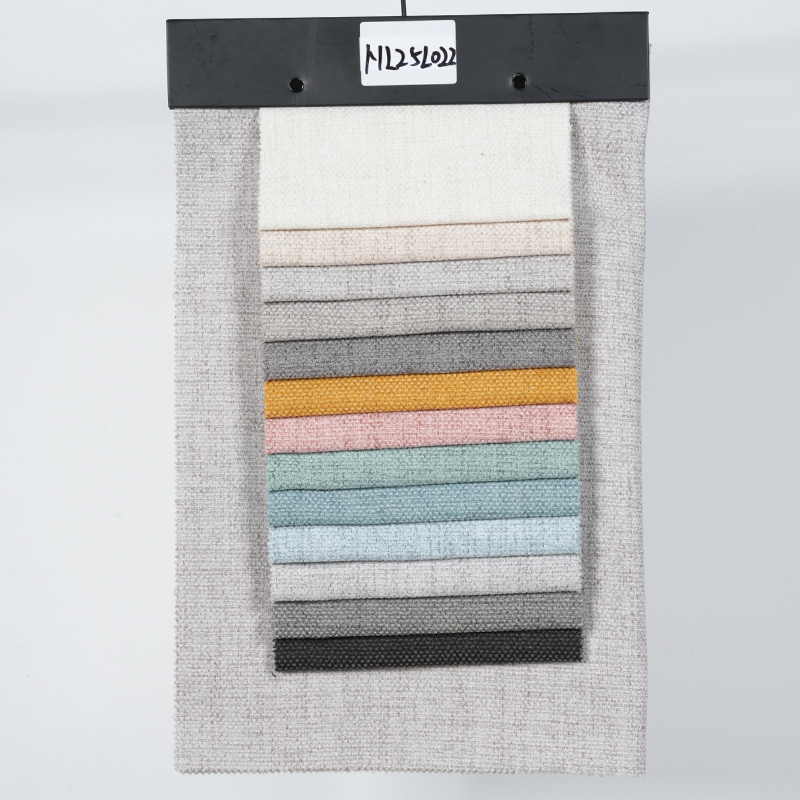
Design Patterns Available in Polyester Jacquard
The design potential of Jacquard Polyester Sofa Fabric is virtually limitless, constrained only by the imagination of the textile designer and the capabilities of the loom. This versatility makes it suitable for a vast array of interior design styles, from grand traditional to sleek modern.
Classic and Traditional Patterns
These timeless designs have been staples of jacquard weaving for centuries and continue to lend elegance and heritage to a space.
- Damask: Characterized by reversible, glossy patterns on a matte background, typically featuring floral, botanical, or arabesque motifs. Polyester holds the intricate details sharply and provides excellent contrast.
- Brocade: Similar to damask but often more raised and elaborate, sometimes incorporating metallic threads for added opulence. Polyester can be texturized or combined with other fibers to mimic this effect.
- Paisley: The iconic teardrop-shaped motif with intricate interior details is perfectly suited to the jacquard technique, allowing for rich, multi-colored interpretations.
- Florals and Scrolls: Large, elaborate floral bouquets or continuous scrollwork patterns create a sense of romanticism and classic beauty.
Modern and Contemporary Patterns
Modern jacquard design pushes beyond tradition, utilizing the loom's precision for geometric and abstract statements.
- Geometric Designs: Sharp lines, chevrons, tessellations, and abstract shapes can be woven with crisp clarity. The stability of polyester prevents the distortion of these precise patterns over time.
- Textured Abstracts: Designs that play with light and shadow, creating a sense of depth and texture through weave structure alone, without relying on printed color.
- Graphic & Artistic Motifs: Modern interpretations can include stylized landscapes, architectural elements, or graphic art translated into woven form.
Customization and Technical Innovation
The true frontier of polyester jacquard design lies in customization and technical integration. This is where a manufacturer's full suite of services becomes invaluable. Haining Yuqi Textile Co., Ltd., for example, can take a standard jacquard fabric and transform it further:
- Post-Weave Embellishment: Their punching and laser capabilities allow for adding precise patterns of holes (perforations) or etched designs onto the finished jacquard fabric. This adds a secondary layer of texture, breathability, or modern detailing.
- Composite for Enhanced Function: A modern geometric jacquard can be composited with a performance backing for use in contract spaces, or with a moisture-barrier layer for outdoor-approved applications.
- Color Innovation: Polyester's excellent dyeability allows for an immense color palette, from muted neutrals to vibrant, saturated hues, ensuring the pattern stands out as intended.
In conclusion, Jacquard Polyester Sofa Fabric is far more than just a pretty covering. It is a technologically advanced, durable, and maintainable material that offers unparalleled design versatility. From understanding its core properties of durable Jacquard sofa material to mastering the routines for cleaning and maintaining Jacquard polyester furniture, informed consumers and manufacturers can fully leverage its benefits. When comparing Jacquard vs. other upholstery fabric types, its unique combination of artistry and resilience becomes clear. Finally, the vast array of design patterns available in polyester Jacquard, especially when enhanced by specialized finishing and compositing services from experienced producers, ensures there is a perfect option for every style and functional requirement, making it a cornerstone of both beautiful and practical interior spaces.