English
 Español
 عربى
عربى

Introduction to Modern Flannel Manufacturing
Flannel has long been a staple in the global textile market, valued for its unique brushed surface and thermal insulation properties. Traditionally associated with wool or cotton, the evolution of synthetic and semi-synthetic fibers has introduced viscose flannel as a high-performance alternative. For international procurement managers and clothing manufacturers, understanding the granular differences between these materials is essential for optimizing product lines and meeting specific end-user requirements. This article provides an exhaustive technical analysis of viscose flannel fabric, comparing it with traditional cotton counterparts across various physical and chemical dimensions.
The Fiber Foundation: Regenerated Cellulose vs. Natural Seed Fiber
To understand the performance of viscose flannel, one must first examine the origin of its fibers. Viscose is a regenerated cellulose fiber, typically derived from wood pulp through a complex chemical process known as the viscose method. This process involves dissolving cellulose in a solution of sodium hydroxide and carbon disulfide to create a viscous liquid, which is then extruded through spinnerets into an acid bath to reform into solid filaments.
In contrast, cotton is a natural seed fiber harvested directly from the Gossypium plant. The structural difference is profound. Viscose fibers are engineered to be uniform, smooth, and circular in cross-section, whereas cotton fibers possess a natural twist and a bean-shaped cross-section. These microscopic variations dictate how the fibers react to the mechanical brushing process used to create the flannel nap.
Mechanical Brushing and Nap Formation
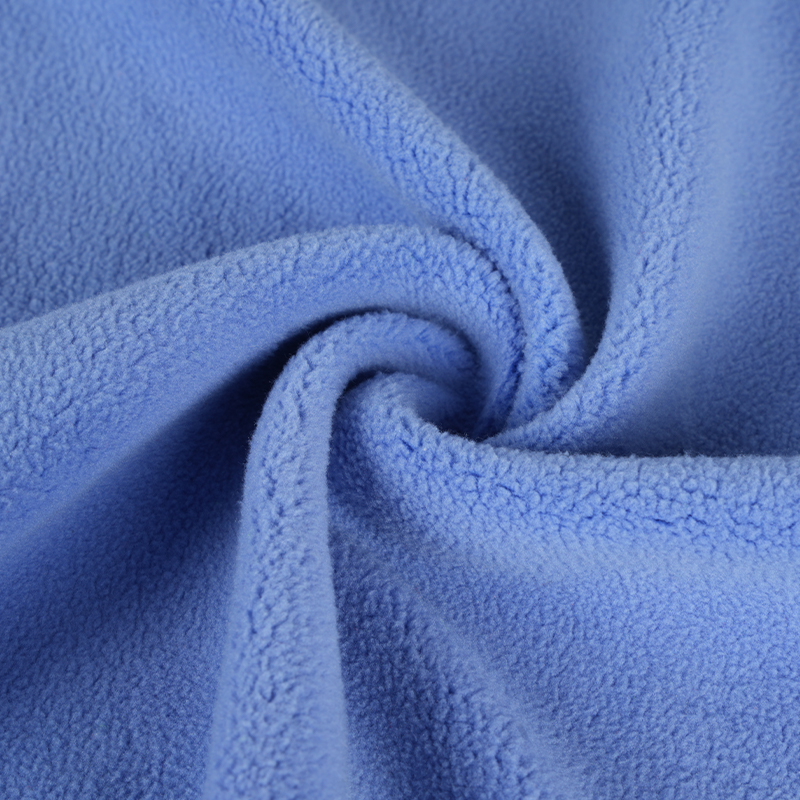
The defining characteristic of any flannel fabric is its nap. This is achieved through a mechanical process called raising or napping, where fine metal brushes lift the loose fibers of the yarn to the surface.
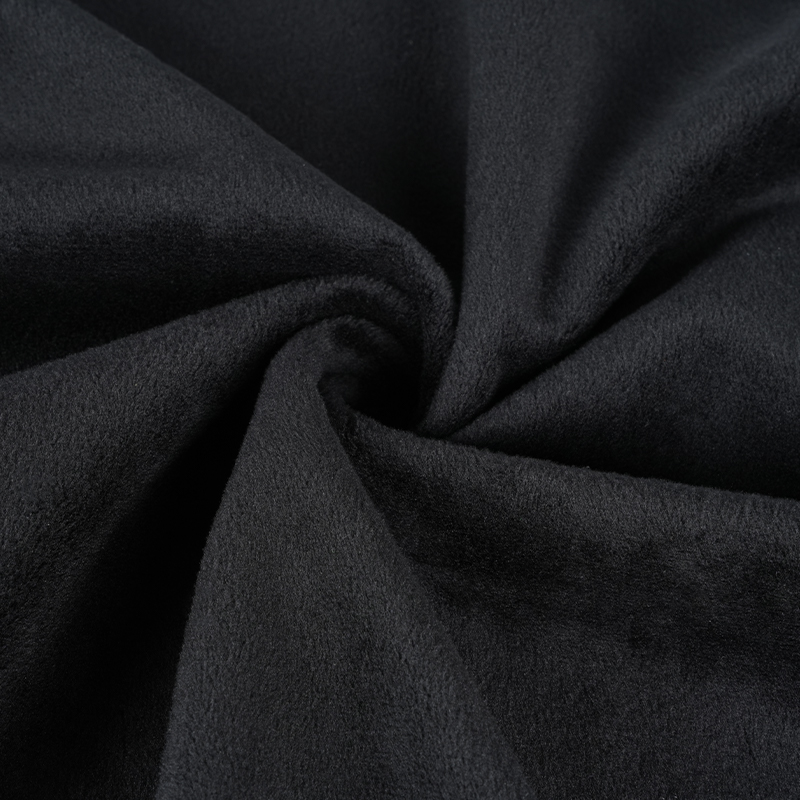
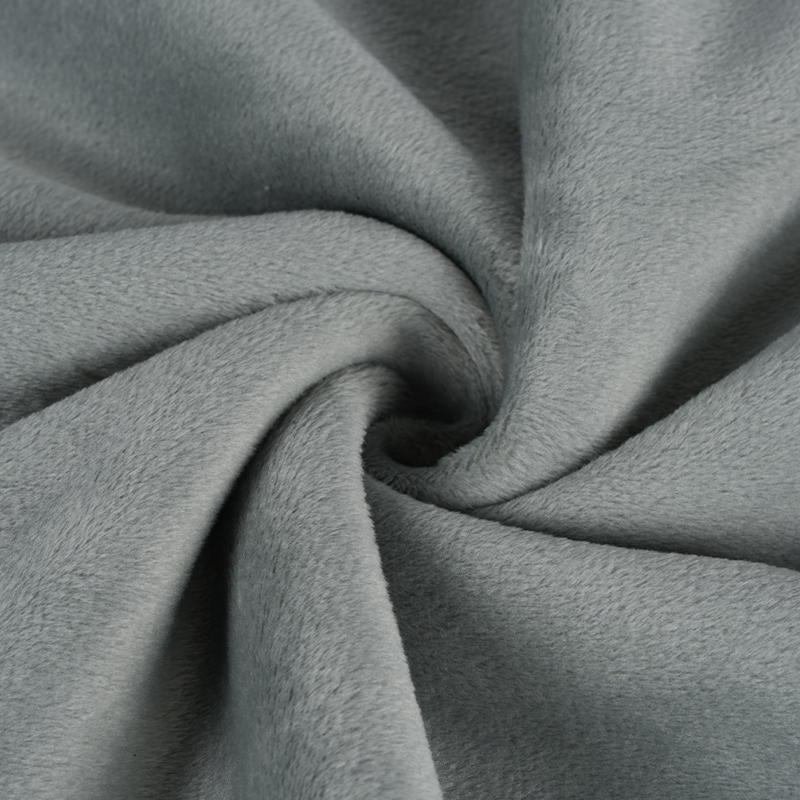
In viscose flannel, the inherent smoothness of the regenerated fibers allows for a more consistent and silk-like nap. The resulting surface is exceptionally soft to the touch, often described as having a luxury hand-feel similar to cashmere or silk. Cotton flannel, while also soft, retains a slightly more rugged and textured feel due to the natural irregularities of the cotton staple.
Technical Property Comparison Table
The following table summarizes the key physical properties of viscose flannel compared to cotton flannel based on standard textile testing metrics.
| Property | Viscose Flannel | Cotton Flannel |
|---|---|---|
| Fiber Type | Semi-synthetic (Regenerated) | Natural (Cellulose) |
| Moisture Regain | 11% to 13% | 8.5% |
| Tensile Strength (Dry) | 2.0 to 2.5 g/denier | 3.0 to 5.0 g/denier |
| Tensile Strength (Wet) | 0.9 to 1.2 g/denier | 3.3 to 6.0 g/denier |
| Abrasion Resistance | Moderate | High |
| Luster | High / Silky | Low / Matte |
| Drape Coefficient | Excellent (Fluid) | Moderate (Structured) |
| Thermal Conductivity | Low (High Insulation) | Moderate |
Moisture Management and Absorbency
One of the most significant advantages of viscose flannel in the B2B market is its superior moisture management. Viscose is more absorbent than cotton, with a moisture regain rate that is nearly 50% higher. This high absorbency translates into exceptional comfort for the wearer, as the fabric can quickly wick perspiration away from the skin.
For industrial applications such as lining for winter workwear or premium bedding, the high moisture capacity of viscose flannel prevents the clammy feeling often associated with synthetic materials like polyester. However, it is important to note that because viscose absorbs so much water, it takes longer to dry than cotton or polyester-blend flannels.
Thermal Insulation and Heat Retention
Flannel is primarily chosen for its warmth. The insulation value of flannel is not derived from the weight of the fabric itself, but from the pockets of air trapped within the napped surface.
Viscose fibers, being finer and more uniform, can create a denser nap than cotton. This density effectively traps a larger volume of still air, providing excellent thermal resistance (R-value). In cold-weather testing, viscose flannel often outperforms cotton of the same GSM (grams per square meter) in terms of heat retention. This makes it an ideal choice for high-end winter pajamas and infant clothing where maintaining core temperature is critical.
Durability, Longevity, and Dimensional Stability
While viscose excels in comfort and aesthetics, cotton remains the leader in pure physical durability. Cotton fibers are naturally stronger and become even stronger when wet. This makes cotton flannel highly resistant to the rigors of industrial laundering and high-temperature drying.
Viscose, however, loses a significant portion of its strength when saturated with water. This requires specialized care instructions, such as gentle wash cycles and avoiding high-heat tumble drying. For manufacturers, this means that viscose flannel is often best suited for fashion-forward apparel and luxury home textiles rather than heavy-duty industrial uniforms.
In terms of pilling, both fabrics are susceptible due to the raised nap. However, because viscose fibers are smoother, the pills that do form are often easier to remove compared to the stubborn pilling found on low-quality cotton flannels.
Aesthetic Appeal: Luster, Dyeing, and Drape
In the competitive export market, visual appeal is a key selling point. Viscose flannel possesses a natural sheen that cotton lacks. This luster gives the fabric a premium appearance, making it a favorite for brands targeting the mid-to-high-end consumer segments.
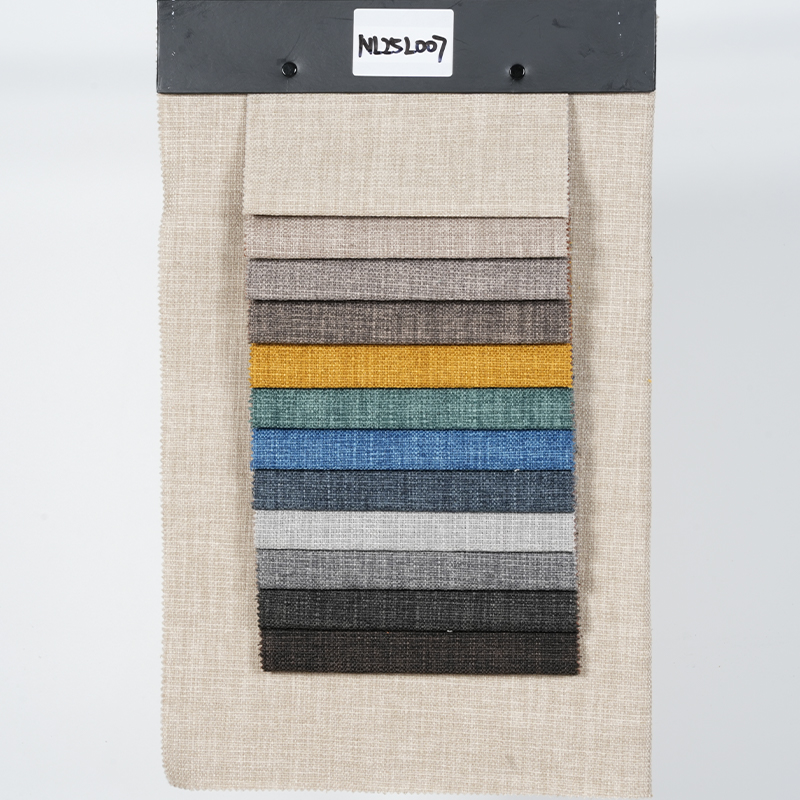
The chemical structure of viscose also allows it to take dyes more deeply and brilliantly than cotton. This results in vibrant colors and sharp patterns, particularly in yarn-dyed plaid designs. Furthermore, the drape of viscose flannel is much more fluid. While cotton flannel tends to be stiff and holds its shape (ideal for structured shirts), viscose flannel flows with the body, making it perfect for dresses, robes, and luxury linings.
Chemical Resistance and Environmental Interaction
Viscose is resistant to most household chemicals but can be damaged by strong acids. It has excellent resistance to moths and most insects, which is a significant advantage for long-term storage in warehouse environments. Cotton is generally more resistant to alkalis but is more prone to mildew if stored in humid conditions.
From a manufacturing perspective, the production of viscose flannel requires strict adherence to environmental regulations regarding chemical discharge. As a manufacturer for the export market, ensuring that the viscose is produced through a closed-loop process can be a major competitive advantage for clients in Europe and North America who prioritize sustainability.
Industrial Applications and Selection Criteria
Choosing between viscose and cotton flannel depends heavily on the end application.
- Fashion Apparel: For items like women’s blouses, draped skirts, and luxury robes, viscose flannel is the superior choice due to its hand-feel and drape.
- Children’s Wear: Viscose flannel is often preferred for its extreme softness and high absorbency, which is gentle on sensitive skin.
- Industrial Workwear: Cotton flannel remains the standard for heavy-duty shirts and protective linings due to its superior wet strength and abrasion resistance.
- Home Textiles: Premium bedding often utilizes viscose-cotton blends to combine the softness of viscose with the durability of cotton.
FAQ
1. Is viscose flannel as warm as traditional cotton flannel?
Yes, viscose flannel is often perceived as warmer because its finer fibers create a denser nap that traps air more efficiently. However, it is lighter in weight than cotton flannel of similar warmth.
2. Does viscose flannel shrink more than cotton?
Viscose has a higher tendency for relaxation shrinkage during the first few washes. It is recommended for manufacturers to use pre-shrunk or stabilized viscose flannel to ensure dimensional stability in finished garments.
3. Is viscose flannel fabric breathable?
Absolutely. Since it is made from regenerated plant cellulose, it is highly breathable and allows for excellent air circulation, even more so than many synthetic blends.
4. Can viscose flannel be machine washed?
It can be machine washed on a gentle cycle with cold water. Because the fibers weaken when wet, high-speed spinning and high-heat drying should be avoided to prevent damage and excessive shrinking.
5. Why is viscose flannel often used in high-end linings?
Its silky texture and excellent drape allow outer garments to hang perfectly without clinging to the body, while providing an additional layer of thermal warmth.
References
- Textile Science: An Introduction to Fibers and Fabrics, A.J. Hall.
- Handbook of Textile Fibres: Man-Made Fibres, J. Gordon Cook.
- The Journal of The Textile Institute: Comparative Analysis of Napped Fabrics.
- ISO 12947-2: Determination of Abrasion Resistance of Fabrics by the Martindale Method.
- AATCC Test Method 135: Dimensional Changes of Fabrics after Home Laundering.