English
 Español
 عربى
عربى

Introduction to Polyester in Modern Upholstery
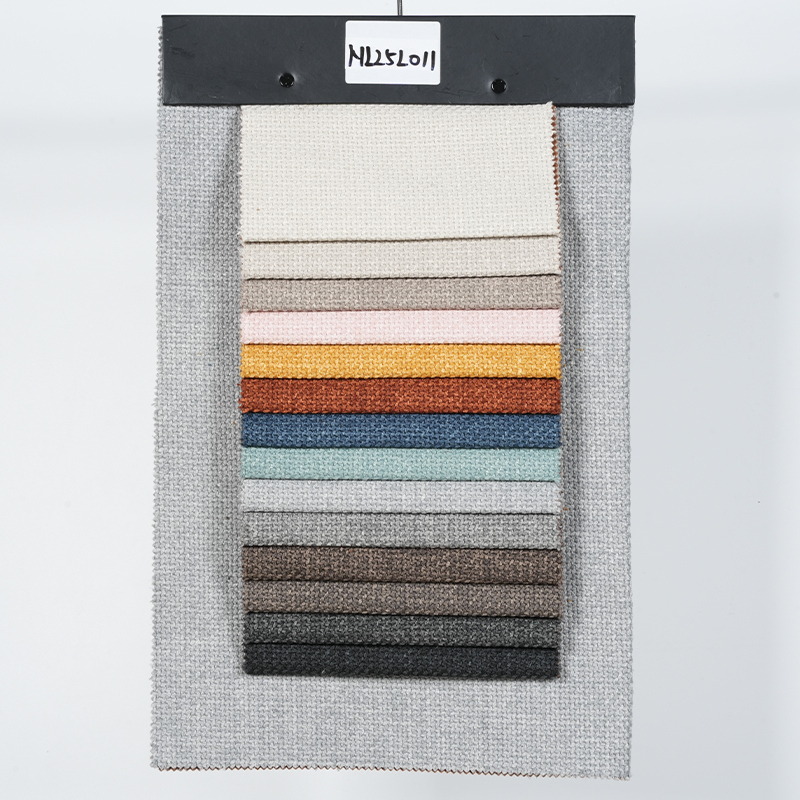
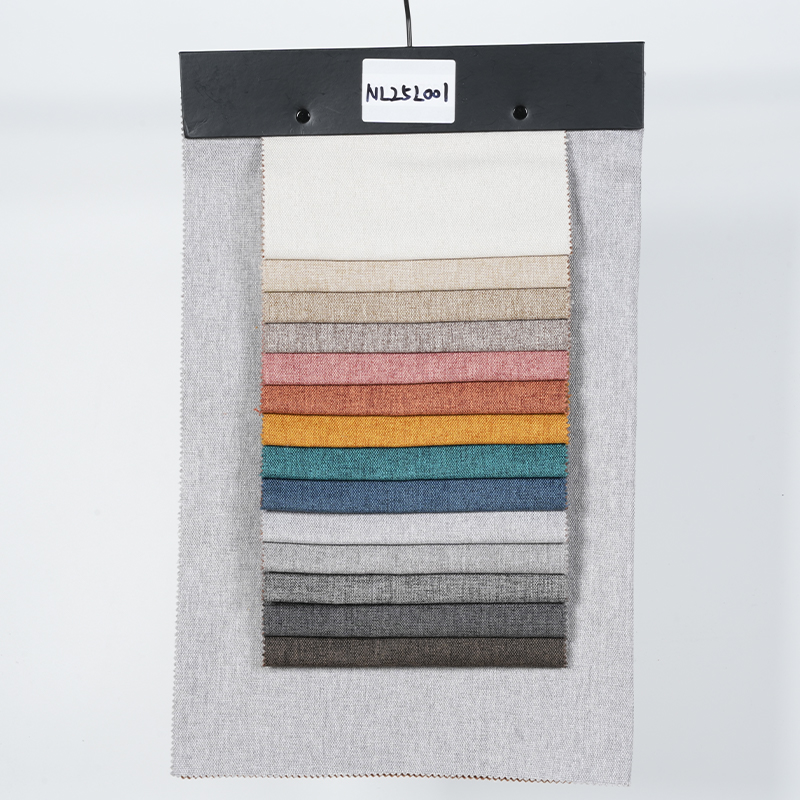
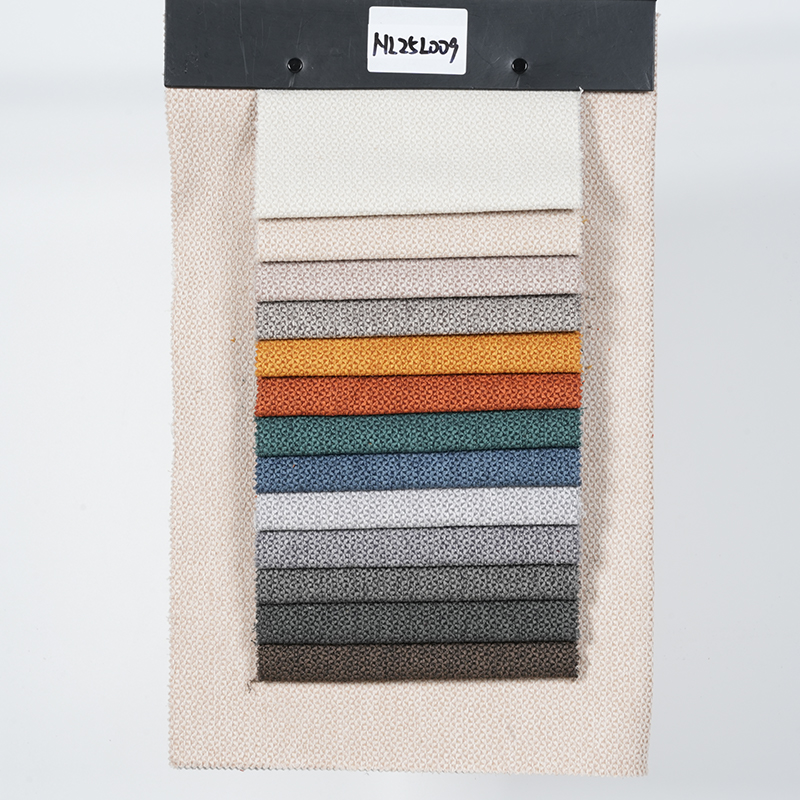
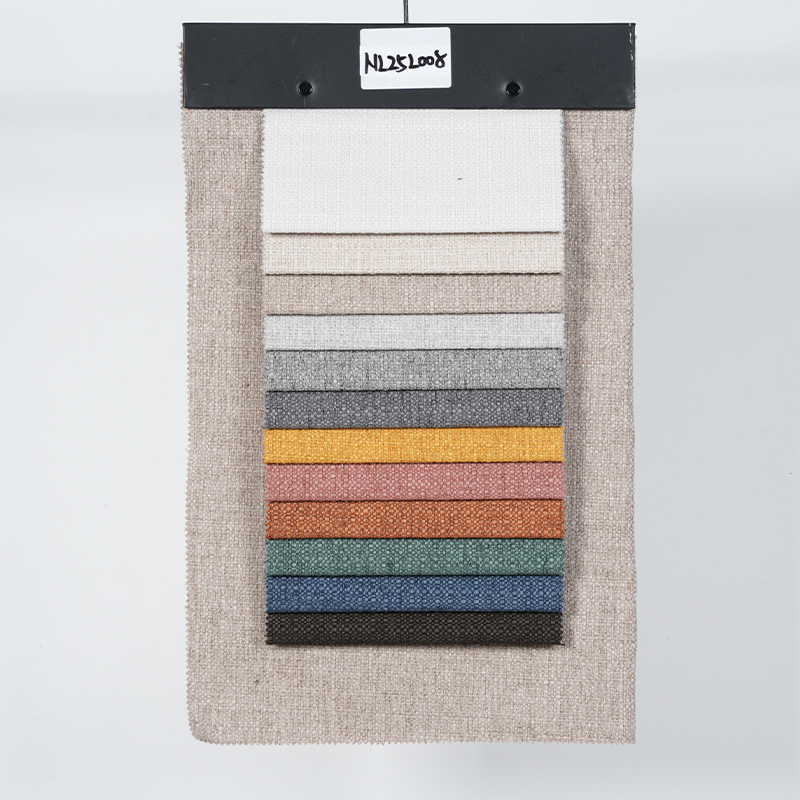
Polyester has established itself as the primary synthetic fiber in the global textile industry, particularly within the B2B manufacturing sector for upholstered furniture. As a polymer primarily composed of polyethylene terephthalate, it offers a unique combination of structural integrity and aesthetic versatility. For international manufacturers and furniture exporters, understanding the technical nuances of polyester sofa fabric is essential for meeting diverse market demands. This article provides a comprehensive technical breakdown of polyester fabrics, comparing them with natural fibers and examining the specific construction methods that define their quality in a commercial context.
The Molecular Strength of Polyester Fibers
The durability of polyester stems from its long-chain polymer structure. Unlike natural fibers that may have irregular lengths and inherent weaknesses, polyester is extruded in continuous filaments or controlled staple lengths. This manufacturing process allows for high tensile strength, meaning the fabric can withstand significant pulling and stretching without tearing. In the context of sofa manufacturing, this is critical because the fabric must endure the constant tension of being stretched over wooden or metal frames and the repeated pressure of daily seating.
Comparative Study: Polyester vs. Natural Fibers
When selecting upholstery materials, professional buyers often compare polyester with natural alternatives like cotton, linen, and wool. Each material has distinct physical properties that affect the final product’s performance.
| Performance Metric | Polyester Fabric | Cotton Fabric | Linen Fabric |
|---|---|---|---|
| Abrasion Resistance | Excellent (High Martindale) | Moderate | Low to Moderate |
| Dimensional Stability | High (Resists Shrinking) | Low (Prone to Shrinking) | Very Low |
| Moisture Absorption | Low (Hydrophobic) | High (Hydrophilic) | Very High |
| Color Fastness | High (UV Resistant) | Moderate (Fades in Sun) | Moderate |
| Maintenance | Easy (Stain Resistant) | Difficult (Absorbs Stains) | Professional Only |
| Price Point | Cost-Effective | Premium | Luxury |
As shown in the table, polyester outperforms natural fibers in nearly every category related to longevity and maintenance. Its hydrophobic nature means that instead of absorbing spills, the fibers repel liquid, allowing for easier cleaning and preventing the growth of mold or mildew within the sofa cushions.
Technical Classification: Filament vs. Spun Polyester
Not all polyester sofa fabrics are created equal. The mechanical feel and appearance of the fabric depend heavily on whether the yarn is filament or spun.
- Filament Polyester: These are continuous strands of fiber. Filament yarns produce smooth, sleek fabrics with a slight sheen. They are highly resistant to pilling because there are no short fiber ends to tangle and form balls on the surface.
- Spun Polyester: These are made by cutting the continuous filaments into short staples and spinning them together, much like cotton. This creates a matte finish and a softer, more natural hand-feel. While spun polyester mimics the look of natural linen or cotton, it requires higher quality control to prevent surface pilling over time.
The Role of GSM and Denier in Fabric Quality
In the B2B export market, fabric quality is often quantified by GSM (Grams per Square Meter) and Denier.
- GSM: This measures the weight and density of the fabric. For residential sofas, a GSM between 250 and 350 is common. For heavy-duty commercial or contract furniture, manufacturers often specify fabrics with a GSM of 400 or higher to ensure the weave is dense enough to prevent “bottoming out” or premature wear.
- Denier: This refers to the thickness of the individual yarns. Higher denier yarns (such as 600D or 900D) provide a rugged, textured look often seen in canvas-style upholstery, while lower denier yarns result in fine, soft microfibers.
Advanced Weave Structures: Jacquard, Chenille, and Velvet
The aesthetic appeal of polyester sofa fabric is achieved through various weaving techniques.
- Jacquard Weave: This involves a complex loom process where patterns are woven directly into the fabric rather than printed. This adds structural depth and durability to the design.
- Chenille: By using “fuzzy” yarns, polyester chenille provides a plush, velvety texture that is exceptionally comfortable. It is a popular choice for mid-to-high-end residential sofas.
- Woven Velvet: Polyester velvet is a staple in luxury furniture. Unlike silk or cotton velvet, polyester velvet is much more resistant to “crushing” or permanent marking, maintaining its upright pile even after heavy use.
Mechanical Testing and International Standards
For professional exporters, compliance with international standards is non-negotiable. Polyester fabrics undergo several rigorous tests:
- Martindale Abrasion Test: This simulates the natural wear of a seat cover. For general domestic use, 20,000 to 25,000 cycles is standard. For commercial environments like hotels or offices, fabrics often exceed 50,000 to 100,000 cycles.
- Color Fastness to Light: Polyester is naturally resistant to UV degradation. This test ensures the fabric will not fade when placed near windows or in sunrooms.
- Pilling Resistance: Rated on a scale of 1 to 5, high-quality polyester sofa fabric usually achieves a 4 or 5 rating, indicating minimal surface fuzzing.
- Seam Slippage: This test measures how well the yarns stay together at the stitched seams. Polyester’s high friction and strength typically result in excellent seam performance.
Environmental Impact and Recycled Polyester (rPET)
The industry is seeing a significant shift toward sustainability. Recycled polyester, or rPET, is made from post-consumer plastic bottles. From a technical standpoint, rPET offers the same durability and performance as virgin polyester but with a significantly lower carbon footprint. Professional manufacturers are increasingly integrating rPET into their product series to meet the environmental requirements of global markets.
Maintenance and Longevity in Commercial Settings
The primary reason polyester remains the top choice for sofa manufacturers is its ease of maintenance. In commercial settings like airport lounges or restaurant booths, furniture is subjected to heavy traffic and frequent spills. Polyester fabrics can be treated with additional finishes to enhance their performance, such as:
- Water Repellent Finishes: Causing liquids to bead on the surface.
- Flame Retardant Treatments: Meeting strict safety codes like BS5852 or CAL TB 117.
- Anti-Microbial Coatings: Preventing the buildup of bacteria in high-use public areas.
Conclusion
Polyester sofa fabric is much more than a low-cost alternative to natural fibers. It is a high-performance material engineered for the rigors of the modern world. Its superior abrasion resistance, color fastness, and structural stability make it the ideal choice for manufacturers focused on export markets. By selecting the right GSM, weave, and yarn type, companies can produce furniture that is not only visually stunning but also built to last for decades.
FAQ:
1. Is 100% polyester sofa fabric breathable enough for hot climates?
While polyester is less breathable than 100% cotton, modern weaving techniques like open weaves or blending with small amounts of natural fibers significantly improve air circulation. High-quality polyester microfibers are also designed to wick moisture away from the skin.
2. Does polyester fabric pill easily?
Low-quality spun polyester can pill, but professional-grade filament polyester or high-density weaves are highly resistant to pilling. Checking the Martindale and pilling test scores (aim for a 4 or 5) is the best way to ensure longevity.
3. Can polyester sofa fabric be used for outdoor furniture?
Yes, but it should specifically be “solution-dyed” or UV-treated polyester. Standard indoor polyester may eventually fade under direct, intense sunlight, whereas outdoor-rated polyester is engineered to withstand the elements.
4. How do I clean a polyester sofa without damaging the fibers?
Most polyester fabrics are “Code W” or “Code WS,” meaning they can be cleaned with water-based cleaners or mild solvents. It is important to avoid high heat during cleaning, as polyester is a thermoplastic and can be damaged by extreme temperatures.
5. Why is polyester preferred over leather for many commercial projects?
Polyester offers more design flexibility in terms of color and pattern, is generally more cost-effective, and provides a “warmer” feel than leather. Additionally, high-performance polyester is often more resistant to scratches from pets or sharp objects.
References
- International Organization for Standardization (ISO): Technical specifications for textile strength and abrasion (ISO 12947).
- American Society for Testing and Materials (ASTM): Standard methods for pilling resistance and tensile strength.
- Textile Science and Economy Journal: Research on synthetic fiber durability in upholstered furniture.
- Journal of Engineered Fibers and Fabrics: Analysis of polymer extrusion and its impact on textile longevity.
- OEKO-TEX Standard 100: Certification guidelines for safety and chemical use in polyester manufacturing.