English
 Español
 عربى
عربى

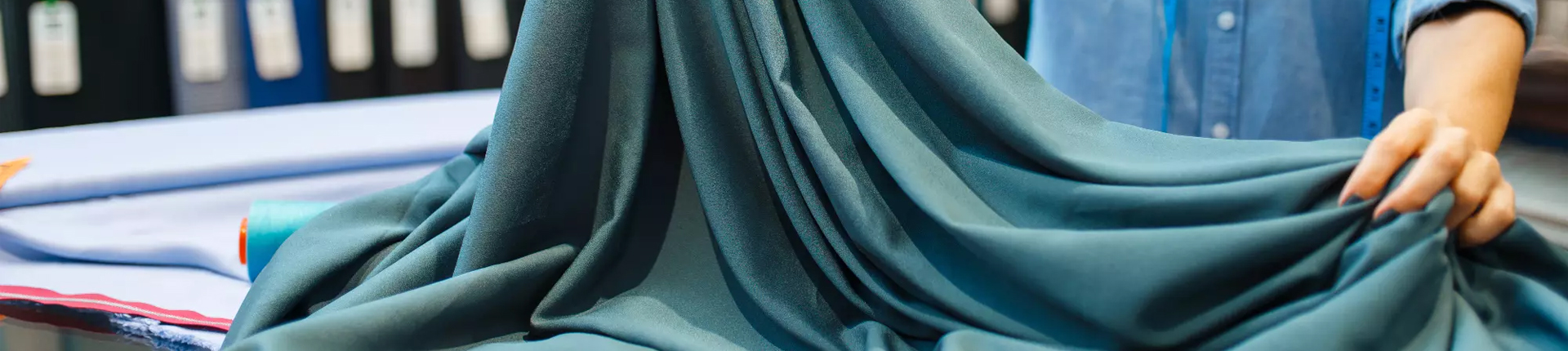
Choosing the right sofa fabric is a critical decision for manufacturers and wholesalers alike. The fabric not only dictates the aesthetic appeal of the furniture but also determines its lifespan, maintenance requirements, and overall performance in high-traffic environments. This comprehensive guide provides a technical comparison of various sofa fabric materials, durability testing standards, and selection criteria for international markets.
Section 1: Natural vs. Synthetic Sofa Fabrics
The debate between natural and synthetic fibers is central to the upholstery industry. Each category offers distinct advantages depending on the end-use application.
Natural Fibers
Natural fibers, such as cotton and linen, are prized for their breathability and soft hand-feel. Cotton is versatile and takes dyes well, allowing for a vast range of colors and patterns. Linen, derived from the flax plant, offers a sophisticated, textured look that resists pilling and fading. However, natural fibers are generally more susceptible to wrinkling, staining, and abrasion. They are often best suited for formal living areas where usage is less frequent.
Synthetic Fibers
Synthetic fibers like polyester, nylon, and acrylic have revolutionized the sofa fabric market. Polyester is the most common synthetic used in upholstery due to its high durability, resistance to wrinkles, and cost-effectiveness. It is often blended with other fibers to improve its texture. Microfiber, a specialized form of polyester, is highly popular for its ability to mimic the softness of suede while remaining exceptionally easy to clean. Synthetic fabrics are the preferred choice for high-traffic households and commercial spaces.
Material Performance Comparison Table
| Feature | Cotton | Linen | Polyester | Microfiber |
|---|---|---|---|---|
| Durability | Moderate | Moderate | High | Very High |
| Breathability | Very High | High | Moderate | Low |
| Stain Resistance | Low | Low | High | Very High |
| Pilling Resistance | High | Very High | Moderate | High |
| Feel/Texture | Soft, Natural | Crisp, Textured | Variable | Velvety, Smooth |
Section 2: Understanding Durability Standards (Martindale vs. Wyzenbeek)
To quantify how long a sofa fabric will last, the industry relies on standardized abrasion tests. Understanding these metrics is essential for professional buyers.
The Martindale Test
Commonly used in Europe and international markets, the Martindale test involves rubbing a piece of worsted wool or wire cloth against the fabric sample in a figure-eight motion. The result is recorded in “cycles.” For residential use, a rating of 15,000 to 20,000 cycles is standard. For heavy-duty commercial or “contract” use, ratings often exceed 40,000 cycles.
The Wyzenbeek Test
The Wyzenbeek test is the standard in North America. It uses a back-and-forth motion (double rubs) where a cotton duck or wire screen abradant is rubbed against the fabric. A fabric passing 15,000 double rubs is considered suitable for heavy-duty residential use, while 30,000+ double rubs are required for commercial applications.
It is important to note that there is no direct mathematical correlation between Martindale cycles and Wyzenbeek double rubs. A fabric may perform exceptionally well in one test but differently in the other due to the nature of the mechanical movement.
Section 3: Specialized Fabric Series and Their Applications
Different sofa fabric series are engineered to solve specific consumer pain points, ranging from pet-friendliness to luxurious aesthetics.
The Velvet Series
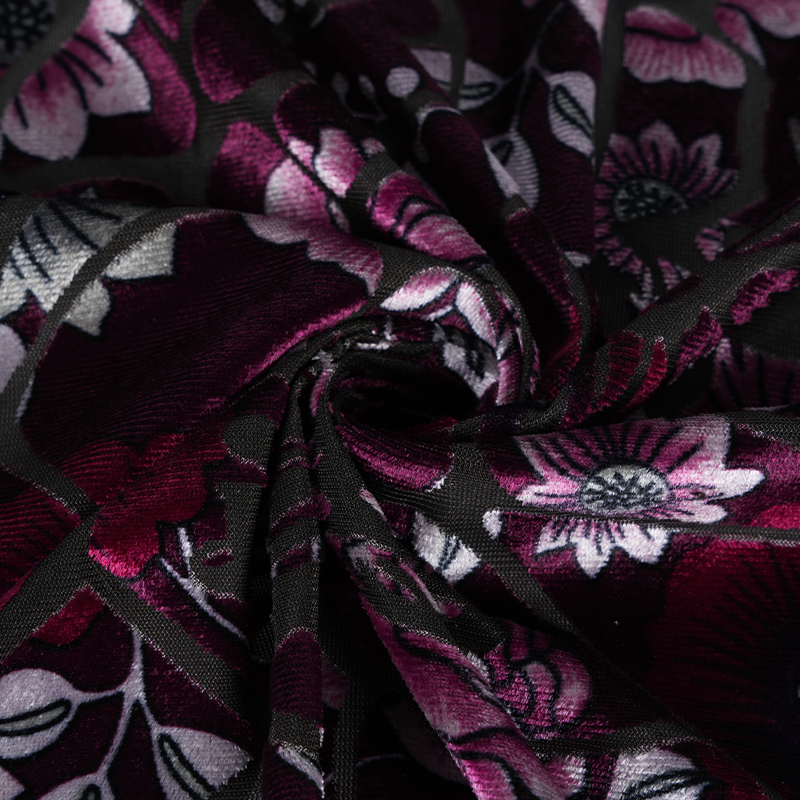
Velvet remains a top choice for luxury furniture. Modern velvet is typically made from polyester, which solves the traditional problem of “crushing” or marking. High-quality performance velvet is surprisingly durable and can often achieve high Martindale ratings, making it suitable for both aesthetics and longevity.
The Chenille Series
Chenille is characterized by its fuzzy, caterpillar-like yarn. It offers a thick, comfortable texture and excellent heat retention. While visually appealing, buyers should ensure the weave is tight, as loose chenille can snag more easily than flat-woven fabrics.
The Performance Fabric Series
Performance fabrics are treated or engineered at the fiber level to be moisture-repellent and stain-resistant. These are ideal for the export market where “easy-clean” functionality is a primary selling point. Spills on these fabrics typically bead up on the surface rather than soaking into the cushion, allowing for effortless maintenance.
Section 4: Maintenance and Care Guidelines for Sofa Fabrics
The longevity of sofa fabric depends heavily on proper maintenance. Every professional fabric series should come with standardized cleaning codes to guide the end-user.
- Code W: Use water-based cleaning agents. This is common for synthetic fibers like polyester.
- Code S: Use mild, water-free solvents or dry-cleaning products. This is often required for natural fibers or certain blends that may shrink when exposed to water.
- Code WS: Versatile fabrics that can be cleaned with either water-based or solvent-based cleaners.
- Code X: Only vacuum or light brushing. No liquid cleaners should be used.
General Maintenance Tips
- Regular Vacuuming: Dust and grit can act like sandpaper on fabric fibers, accelerating abrasion. Vacuuming with a soft brush attachment once a week is recommended.
- Rotation of Cushions: To ensure even wear and exposure to light, cushions should be rotated and flipped regularly.
- Sunlight Protection: Prolonged exposure to direct UV rays can weaken fibers and fade colors, especially in natural materials like silk or thin cotton.
Section 5: Selecting Sofa Fabrics for the Export Market
When exporting sofa fabrics, manufacturers must consider regional preferences and regulatory standards. For example, the UK market requires strict adherence to fire retardant (FR) standards (BS 5852), while the US market focuses heavily on California Technical Bulletin 117-2013.
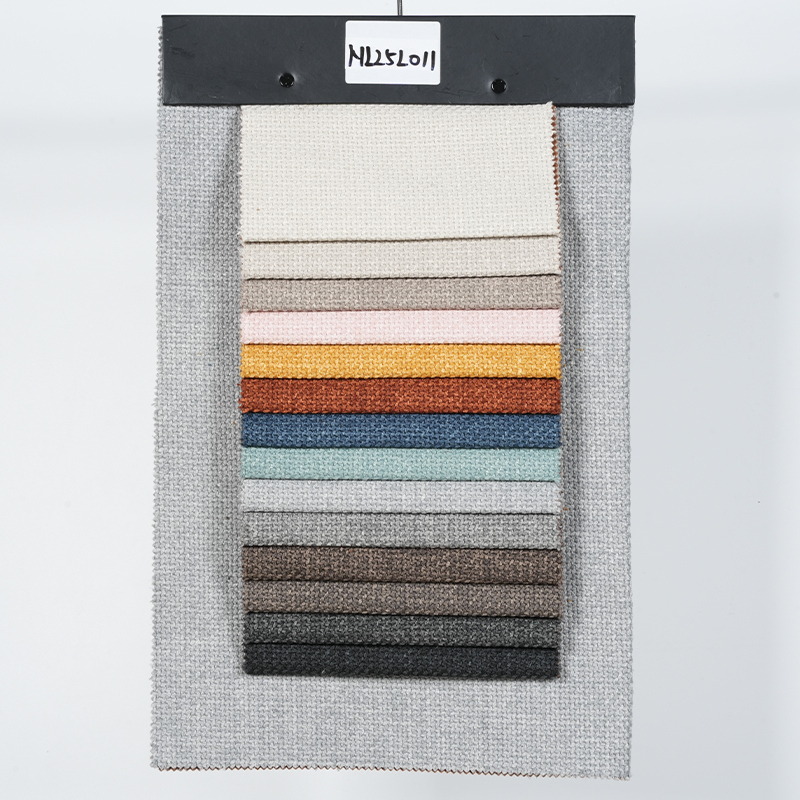
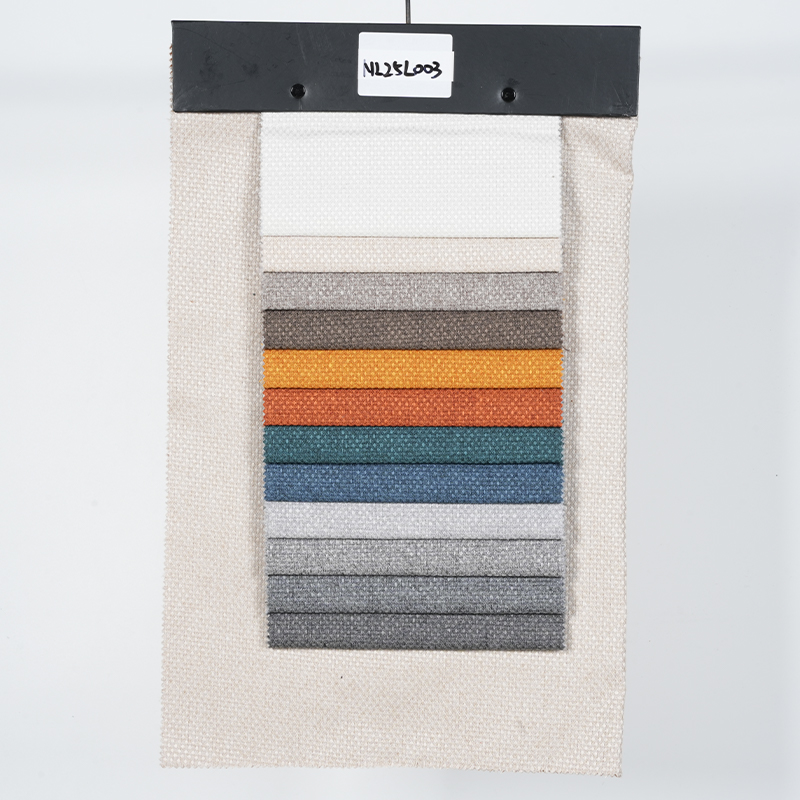
Furthermore, color trends vary by region. Neutral tones like oatmeal, charcoal, and navy remain global best-sellers due to their versatility, but vibrant “jewel tones” are increasingly popular in the Middle East and parts of Europe for luxury velvet series.
Section 6: Technical Specifications for High-Performance Upholstery
For industrial buyers, evaluating the technical datasheet of a fabric series is a prerequisite for bulk orders. Key technical parameters include:
- Weight (gsm): Higher grams per square meter often indicate a denser, more durable fabric.
- Color Fastness to Light: Measured on a scale of 1 to 8, with 5 or higher being ideal for upholstery.
- Tensile Strength: The ability of the fabric to resist breaking under tension, crucial for tight upholstery applications.
- Seam Slippage: A measure of how well the yarns stay together at the sewn seams.
Technical Property Summary Table
| Property | Standard Test | Minimum Requirement (Residential) |
|---|---|---|
| Abrasion Resistance | Martindale / Wyzenbeek | 15,000 Cycles / Double Rubs |
| Color Fastness | ISO 105-B02 | Grade 4-5 |
| Pilling Resistance | ISO 12945-2 | Grade 3-4 |
| Fire Retardancy | BS 5852 / CAL 117 | Must Pass (Market Dependent) |
Frequently Asked Questions (FAQ)
1. What is the best sofa fabric for households with pets?
Synthetic fabrics, particularly tight-weave microfibers or performance polyesters, are best. They resist snags from claws and do not trap pet hair as easily as loose-weave natural fabrics.
2. Does a higher Martindale rating always mean a “better” fabric?
Not necessarily. While a higher rating means better abrasion resistance, it doesn’t account for stain resistance, color fastness, or comfort. A fabric with 100,000 cycles might feel very stiff and uncomfortable compared to a 30,000-cycle fabric.
3. Why do some sofa fabrics pill?
Pilling occurs when short or broken fibers on the fabric surface become tangled together in a small ball (pill). This is often caused by friction. Synthetic blends are more prone to pilling than 100% natural fibers or high-quality long-staple synthetics.
4. How can I tell if a fabric is fire retardant?
Check the technical specifications or the label on the fabric roll. Export-grade fabrics usually specify compliance with standards like BS 5852 (UK) or CAL 117 (USA).
5. Can I use water to clean all polyester sofa fabrics?
While many polyesters are Code W (water-compatible), some are blended with fibers that require solvent-based cleaning. Always check the specific cleaning code for that fabric series before applying water.
References
- ASTM D4157: Standard Test Method for Abrasion Resistance of Textile Fabrics (Wyzenbeek Method).
- ISO 12947-2: Textiles - Determination of the abrasion resistance of fabrics by the Martindale method.
- BS 5852: Methods of test for assessment of the ignitability of upholstered seating by smouldering and flaming ignition sources.
- Association for Contract Textiles (ACT) Performance Guidelines.