English
 Español
 عربى
عربى

1. Imitation Linen Polyester vs Pure Linen: A Technical Comparison for Furniture Sourcing
For furniture manufacturers, upholstery buyers, and contract sourcing professionals, the material selection process directly impacts product lifespan, customer satisfaction, and return rates. Pure linen has long been valued for its natural breathable aesthetic, but it carries well-documented weaknesses: low abrasion resistance, high wrinkle tendency, and poor stain protection. Imitation Linen Polyester Sofa Fabrics have been engineered to retain the visual texture of linen while eliminating these functional drawbacks. The polyester base provides inherent moisture resistance, preventing the fabric from stretching or sagging in humid environments. Additionally, the slub effect, the irregular yarn thickness that gives linen its rustic character, is recreated through controlled texturizing processes, delivering batch to batch consistency that pure linen cannot achieve. This makes imitation linen a reliable choice for high volume production lines and international furniture supply chains.
From a cost perspective, pure linen prices fluctuate significantly based on flax harvest conditions, whereas polyester based alternatives offer stable pricing and predictable lead times. For export oriented manufacturers, this stability translates into better contract fulfillment and reduced procurement risk. The following table summarizes the critical performance indicators that matter most to furniture engineers and quality control teams.
| Performance Indicator | Imitation Linen Polyester | Pure Natural Linen |
|---|---|---|
| Martindale Abrasion Cycles | 30,000 to 50,000+ | 8,000 to 15,000 |
| Wrinkle Recovery | Excellent with Elastic Memory | Poor Requires Ironing |
| Color Fastness to Light Grade | 5 to 6 Very Good | 3 to 4 Moderate |
| Stain Resistance for Water Based Spills | High Due to Low Absorbency | Low Due to High Absorbency |
| Moisture Regain Percentage | 0.4% to 0.6% | 8% to 12% |
| Cost Stability Across Seasons | Consistent Year Round | Volatile Harvest Dependent |
Data from industry standard testing confirms that imitation linen polyester outperforms pure linen in every mechanical durability category. For furniture destined for high traffic areas such as hospitality seating, family room sofas, and contract environments, this performance gap directly translates into fewer warranty claims and longer product lifespans.
2. How Yarn Structure and Weave Technology Define Imitation Linen Texture
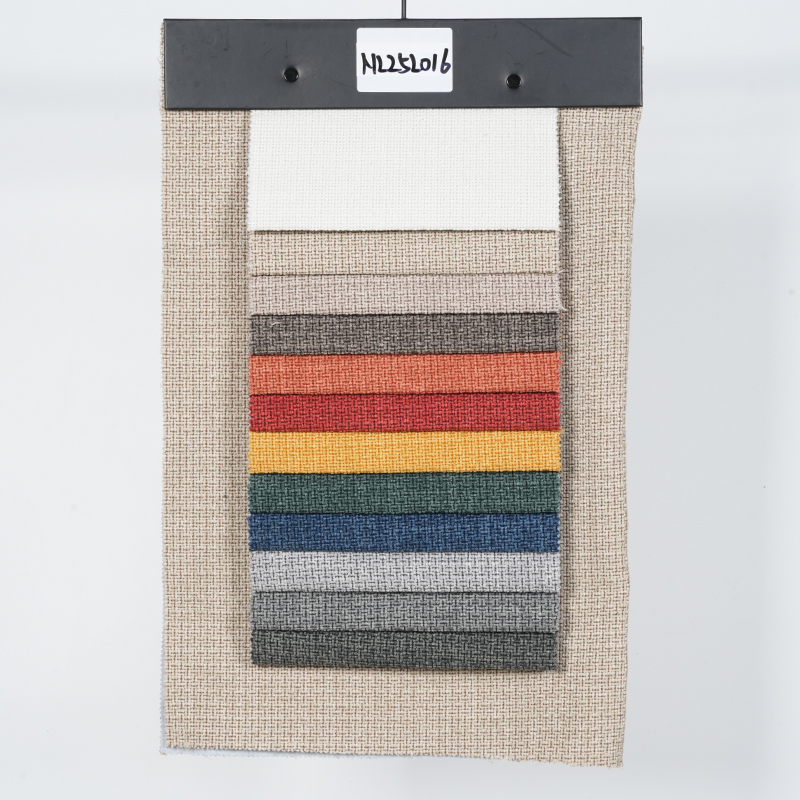
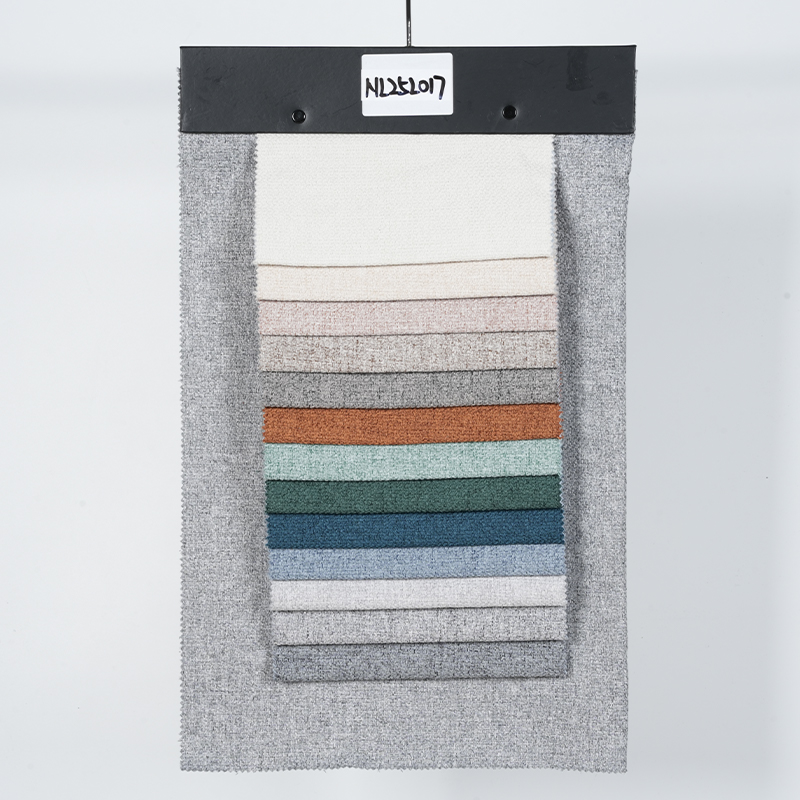
The visual and tactile identity of Imitation Linen Polyester Sofa Fabrics is not accidental. It is achieved through specific yarn engineering and weave architecture. Unlike standard polyester fabrics that have a smooth, uniform surface, imitation linen requires the creation of controlled irregularities. Manufacturers achieve this by using textured polyester yarns with varying denier profiles or by blending flat and textured filaments within the same yarn. The result is a slubbed surface that scatters light unevenly, mimicking the natural flamme effect of flax fibers.
Weave selection further enhances the linen simulation. The most common structures are dobby weaves and jacquard weaves with irregular float patterns. A dobby weave allows for small, repeating geometric textures that resemble linen's natural cross hatching. Jacquard looms, on the other hand, enable larger, more complex linen like grain patterns that can simulate the appearance of raw hemp or basket weave linen. Some advanced variants use a combination of weave density variation and yarn twist differentials to create a two tone effect, where the surface appears to have lighter and darker fibers, exactly like natural linen.
For furniture buyers, understanding these technical distinctions helps in specifying the right grade of imitation linen polyester. A higher slub frequency and more pronounced yarn irregularity create a more rustic, artisanal look suitable for farmhouse or coastal collections. Conversely, a tighter weave with finer slubs produces a more refined surface appropriate for contemporary or transitional furniture lines. Importantly, all these variations retain the performance advantages of polyester, including high tensile strength and resistance to insect damage, two areas where pure linen remains vulnerable.
3. Abrasion Resistance and Martindale Testing for Sofa Fabrics
Among all technical specifications for upholstery fabrics, Martindale abrasion resistance is the most closely watched by commercial buyers and quality assurance teams. This test measures how many rub cycles a fabric can withstand before showing visible wear. For Imitation Linen Polyester Sofa Fabrics, typical Martindale values range from 30,000 to over 50,000 cycles, placing them in the heavy duty commercial category. In contrast, pure linen rarely exceeds 15,000 cycles, which is considered light domestic use.
These numbers have direct commercial implications. A fabric rated at 20,000 to 25,000 Martindale is suitable for residential sofas with moderate use. A rating of 30,000 to 40,000 qualifies for daily use in family homes or rental properties. Above 40,000 cycles, the fabric is approved for contract applications such as hotel lobbies, restaurants, and office seating. Because imitation linen polyester routinely exceeds 40,000 cycles when constructed with high tenacity yarns and compact weaves, furniture manufacturers can confidently use it across multiple product tiers with a single material specification.
It is important to note that Martindale alone does not determine overall durability. Factors such as fabric weight, stitch slippage resistance, and seam strength also influence real world performance. However, for initial material screening, Martindale remains the most standardized and internationally recognized benchmark. When sourcing imitation linen fabrics, request the test report from an accredited laboratory and verify that the reported cycles were achieved without significant color change, pilling, or fiber breakage.
4. Stain and Moisture Management in Polyester Based Fabrics
One of the most frequent complaints from end consumers about natural linen sofas is their vulnerability to spills and stains. Linen fibers are highly absorbent, with a moisture regain of 8% to 12%. This means that a coffee spill or pet accident rapidly penetrates the fiber structure, creating a stain that is difficult to remove even with professional cleaning. Imitation Linen Polyester Fabrics have a moisture regain below 0.6%, making them functionally hydrophobic. Liquids bead on the surface, allowing time for blotting before any absorption occurs.
This property is further enhanced by solution dyed polyester fibers. In solution dyeing, pigment is added to the polymer melt before extrusion, locking color deep within the fiber. This contrasts with piece dyed or yarn dyed linens, where color sits on the fiber surface and is more vulnerable to bleach stains, UV fading, and rubbing. Solution dyed imitation linen fabrics retain their original color even after repeated exposure to cleaning agents and sunlight, making them ideal for high exposure settings like sunrooms or covered outdoor patios.
For commercial applications such as restaurant seating or healthcare furniture, stain resistance directly reduces maintenance labor and chemical usage. Spills can be wiped with a damp cloth and mild detergent without leaving water rings or discoloration. This ease of care also appeals to residential consumers with children or pets, who prioritize practicality without sacrificing the natural linen aesthetic. When selecting sofas upholstered in imitation linen, the stain blocking and moisture shedding properties address a primary pain point that drives negative feedback for pure linen furniture.
5. Customization Options for Color, Weight, and Texture
Standard fabric offerings provide a baseline, but furniture brands competing on design uniqueness require customization. Imitation Linen Polyester Fabrics offer extensive customization parameters. The first is color. Polyester accepts a wide range of dyestuffs, including cationic dyes for deep, rich tones and disperse dyes for bright, consistent shades. Custom color matching can be performed to exact Pantone or Lab values, ensuring that the fabric aligns perfectly with a brand's seasonal palette. Moreover, solution dyed custom colors are available for orders above minimum quantity thresholds, providing superior lightfastness and wash fastness compared to top dyed alternatives.
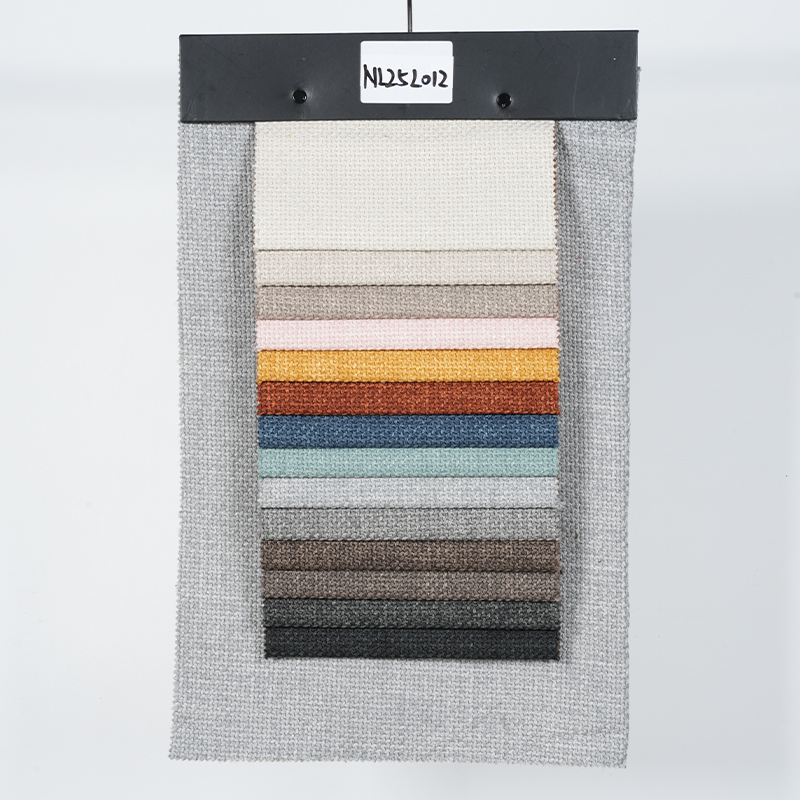
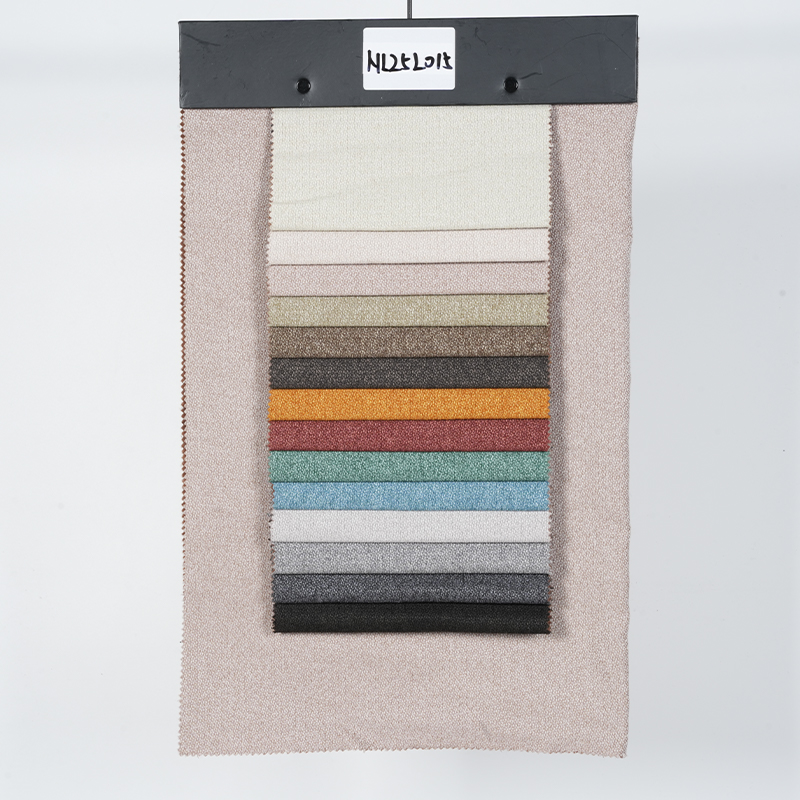
The second customization axis is fabric weight, measured in grams per square meter or GSM. Lightweight imitation linen between 200 and 250 GSM is suitable for decorative pillows or light use chair backs. Medium weight fabrics between 250 and 350 GSM are the standard for residential sofas, balancing drape with durability. Heavyweight versions between 350 and 450 GSM are used for commercial seating, ottomans, and headboards where structural stiffness is beneficial. Weight adjustments are achieved by modifying yarn denier, weave density, or both.
Texture customization represents the third dimension. Beyond standard slub frequency, manufacturers can engineer specific hand feel characteristics ranging from crisp and paper like to soft and brushed. Mechanical finishing processes such as sanding or raising create a peach skin surface that adds warmth. Conversely, calendering produces a smoother, more lustrous finish that mimics linen cotton blends. For brands seeking to build a signature look, working directly with a manufacturer that controls weaving, dyeing, and finishing in house enables rapid prototyping and shorter lead times for custom developments.
6. Sustainability and Certifications for Imitation Linen Fabrics
Sustainability is a procurement requirement for many international furniture buyers. Imitation Linen Polyester Fabrics can be manufactured using Global Recycled Standard certified post consumer recycled polyester, typically derived from PET plastic bottles. These recycled variants maintain the same mechanical performance as virgin polyester while reducing carbon footprint by approximately 60% to 70% and diverting plastic waste from landfills. For furniture brands targeting eco conscious commercial clients or LEED certified projects, GRS certification provides auditable proof of recycled content.
Beyond recycled content, chemical safety certifications such as OEKO TEX Standard 100 are essential for export markets, particularly the European Union and North America. OEKO TEX certification ensures that the fabric has been tested for hundreds of harmful substances, including formaldehyde, heavy metals, and restricted azo dyes. Many imitation linen polyester fabrics are produced in certified facilities, allowing furniture manufacturers to place the OEKO TEX label on their finished products. This label is increasingly expected by hospitality buyers and residential consumers alike.
Pure linen, while natural, is not inherently more sustainable than recycled polyester. Linen cultivation requires significant water and land resources, and conventional flax processing involves chemical retting and bleaching. Recycled polyester, by contrast, uses existing materials and can be recycled again at end of life, supporting a circular economy model. When evaluating sustainability claims, furniture buyers should request specific certifications rather than relying on generic eco friendly labels.
7. Application Guide for Different Furniture Types
Not all imitation linen fabrics are equal, nor are they suitable for every furniture application. Matching fabric specifications to furniture type ensures optimal performance and customer satisfaction. For stationary sofas in residential living rooms, a medium weight imitation linen polyester fabric between 280 and 320 GSM with a Martindale rating of 30,000 to 40,000 cycles provides an ideal balance of comfort and durability. The fabric should have moderate slub texture for aesthetic appeal but remain soft enough for prolonged seating.
For reclining sofas and motion furniture, fabric stretch and recovery become critical. Imitation linen fabrics used on moving parts must have sufficient elastic recovery to prevent bagging and sagging after repeated articulation. Blends with a small percentage of elastane or a specially engineered textured polyester base can provide the necessary flexibility while maintaining the linen appearance. Always test motion applications with at least 10,000 articulation cycles before full production.
For commercial seating in hotels, restaurants, or waiting areas, select heavyweight imitation linen between 350 and 400 GSM with a Martindale rating above 40,000 cycles. Additionally, specify fabric with a stain resistant finish or solution dyed fibers to withstand frequent cleaning. For outdoor or covered patio furniture, choose UV stabilized polyester with a minimum lightfastness rating of 6 to 7 and incorporate a water repellent finish. With proper specification, imitation linen polyester outperforms most natural fibers in exterior applications, resisting mildew and UV degradation that would quickly destroy pure linen.
8. Manufacturing Standards for Reliable Imitation Linen Suppliers
For export oriented furniture manufacturers, supplier reliability is as important as fabric quality. A competent supplier of Imitation Linen Polyester Sofa Fabrics should demonstrate vertical integration, controlling weaving, dyeing, finishing, and testing in house. This integration reduces quality variability and enables faster problem resolution when issues arise. It also supports smaller minimum order quantities for custom colors or finishes, allowing brands to test new designs without excessive inventory risk.
Look for suppliers that provide comprehensive test reports from ISO accredited laboratories. Key reports should include Martindale abrasion, tensile strength, tear strength, seam slippage, and color fastness to light, rubbing, and perspiration. Suppliers that maintain GRS and OEKO TEX certifications demonstrate commitment to compliance and sustainability standards that are increasingly mandatory in European and North American markets.
Lead time consistency is another critical metric. A reliable supplier will publish standard lead times for stock fabrics, typically 7 to 14 days for sampling and 20 to 30 days for bulk orders, and clearly communicate any deviations. For custom developments, expect a sampling period of 15 to 25 days, followed by bulk production lead times of 30 to 45 days depending on order quantity and factory schedule. Suppliers that consistently miss lead times create downstream delays in furniture production schedules, so request customer references or conduct a trial order before committing to large contracts.
9. Total Cost of Ownership Analysis
Initial fabric price per yard is only one component of total cost of ownership. For furniture manufacturers, a complete cost analysis must include incoming inspection reject rates, production line waste, warranty claims, and customer return rates. Imitation Linen Polyester Fabrics typically cost 30% to 50% less than comparable grade pure linen on a per yard basis. However, the savings extend beyond initial purchase.
Pure linen's natural irregularity results in higher cutting waste, sometimes 8% to 12% compared to 3% to 5% for engineered imitation linen. Linen also requires more careful handling during sewing; it is prone to seam puckering and needle cutting damage, increasing rework labor costs. Polyester based fabrics feed more consistently through industrial sewing equipment, reducing downtime and operator fatigue.
The largest hidden cost of pure linen is warranty claims. End consumers who purchase linen sofas often complain within 12 to 18 months about seam tears, fabric stretching, pilling, and stain permanence. Imitation linen fabrics, with their superior mechanical properties, generate significantly fewer warranty incidents. For a furniture brand producing 10,000 sofas annually, reducing the warranty claim rate from 5% to 1% can save hundreds of thousands of dollars in replacement parts, shipping, and customer service labor. When viewed through this total ownership lens, imitation linen is not just a cost saving substitute but a value enhancing upgrade.
10. Long Term Value of Imitation Linen Polyester for Furniture Lines
The furniture industry faces ongoing pressure to deliver higher performance at competitive prices while adapting to shifting consumer aesthetic preferences. Imitation Linen Polyester Sofa Fabrics are uniquely positioned to meet these challenges. Their inherent versatility allows the same base material to be finished for multiple use cases: a cozy residential sofa, a stain resistant dining chair, a UV protected patio lounger, or a contract grade hotel banquette. This reduces the number of distinct fabric SKUs a furniture manufacturer must inventory, simplifying supply chain management.
Furthermore, as brands expand into e commerce direct to consumer sales, the ability to accurately represent fabric texture and color online becomes critical. Imitation linen fabrics, with their engineered consistency, photograph and video reliably, reducing the risk of customer dissatisfaction due to product variation. The same consistency supports faster sampling and production scaling when a particular design gains unexpected popularity.
For furniture export businesses competing in international markets, standardizing on a high performance imitation linen platform simplifies compliance with multiple regional regulations. A single fabric that meets OEKO TEX, GRS, and California TB 117-2013 flammability requirements can be sold in the European Union, North America, and Asia without requalification. By adopting imitation linen polyester as a core material platform, furniture manufacturers reduce complexity, improve quality predictability, and focus their innovation energy on design and customer experience rather than material troubleshooting.
Frequently Asked Questions
Question 1: Is imitation linen polyester fabric breathable enough for sofa upholstery?
Answer: Yes. While polyester has lower natural breathability than pure linen, modern engineered imitation linen fabrics incorporate textured yarns and open weave structures that allow adequate air circulation for comfortable seating. For most residential and commercial applications, the breathability is sufficient, and the trade off for superior durability and stain resistance is well justified. Users who require maximum airflow should select lighter weight constructions below 280 GSM.
Question 2: Can imitation linen polyester be used for outdoor furniture?
Answer: Yes, but only with specific specifications. Look for solution dyed polyester with UV stabilizers and a water repellent finish. Standard indoor grade imitation linen will degrade in direct sunlight and absorb moisture. For outdoor applications, request fabrics explicitly rated for exterior use with a lightfastness grade of 6 or higher and a water contact angle above 90 degrees. Many suppliers offer specialized outdoor imitation linen collections.
Question 3: How do I clean imitation linen polyester sofa fabric?
Answer: Routine cleaning requires only vacuuming and spot cleaning with a damp cloth and mild soap. For deeper cleaning, use a solution of warm water and a few drops of dish detergent, blotting rather than rubbing. Avoid bleach, strong solvents, and steam cleaners which can damage the fiber structure. Most imitation linen fabrics are machine washable at 30 to 40 degrees Celsius if the upholstery allows cover removal, but always check the supplier's care label first.
Question 4: What is the typical lead time for custom color imitation linen fabrics?
Answer: For custom color matching, sampling typically takes 15 to 25 days including lab dips and strike offs. Bulk production requires an additional 30 to 45 days after sample approval, depending on order quantity and factory schedule. Minimum order quantities for custom colors usually range from 1,000 to 3,000 meters. For smaller quantities, consider stock fabrics which ship within 7 to 14 days.
Question 5: Does imitation linen polyester pill over time?
Answer: High quality imitation linen polyester fabrics have excellent pilling resistance, typically rating 4 to 5 on the ICI pilling box test where 5 is best. Pilling occurs when short fibers work loose from the fabric surface, but polyester's high tensile strength and the use of textured filament yarns minimize this effect. Lower quality variants with staple spun polyester may pill after heavy use, so always request pilling test reports before bulk ordering.
References
1. ISO 12947-2:2016. Determination of abrasion resistance of fabrics by Martindale method. International Organization for Standardization.
2. ISO 105-B02:2014. Textiles Tests for colour fastness Part B02: Colour fastness to artificial light: Xenon arc fading lamp test. International Organization for Standardization.
3. Muthu, S.S. (2020). Textiles and Clothing Sustainability: Recycled Polyester and Sustainable Textile Production. Springer Nature.
4. OEKO TEX Standard 100. (2025). Global certification system for textile raw materials and intermediate products. OEKO TEX Association.
5. Textile Exchange. (2025). Preferred Fiber and Materials Market Report: Recycled Polyester Market Analysis. Textile Exchange Publishing.