English
 Español
 عربى
عربى

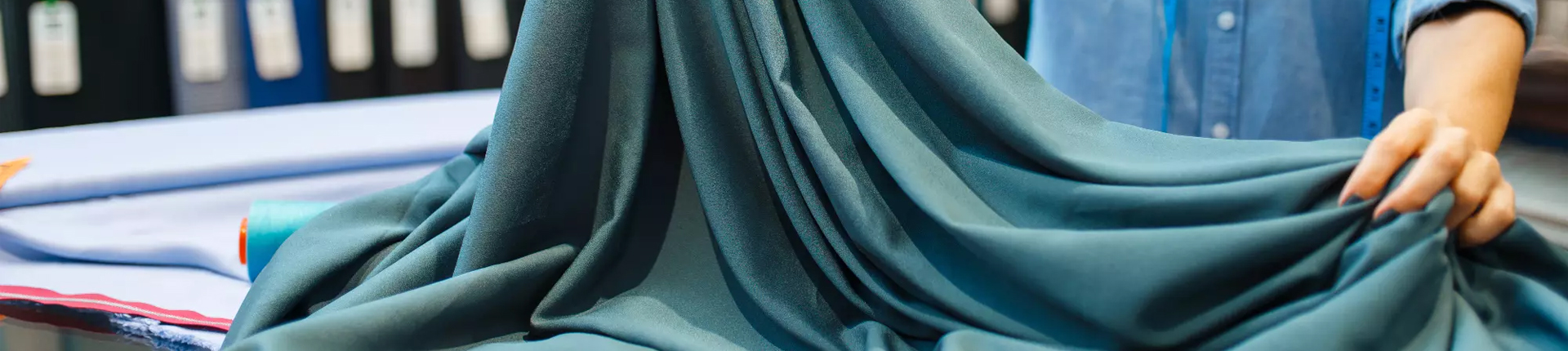
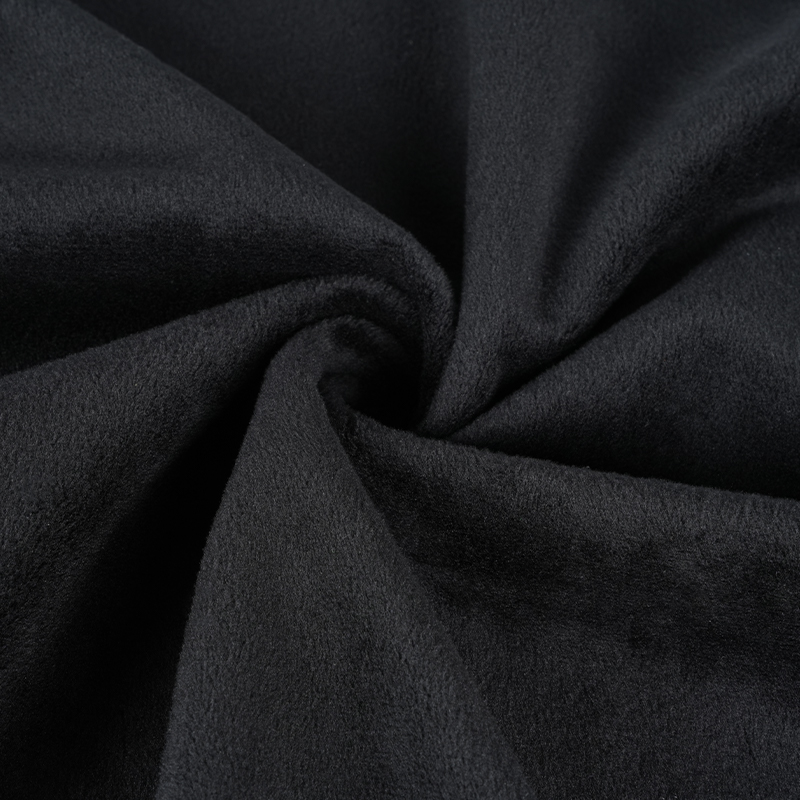
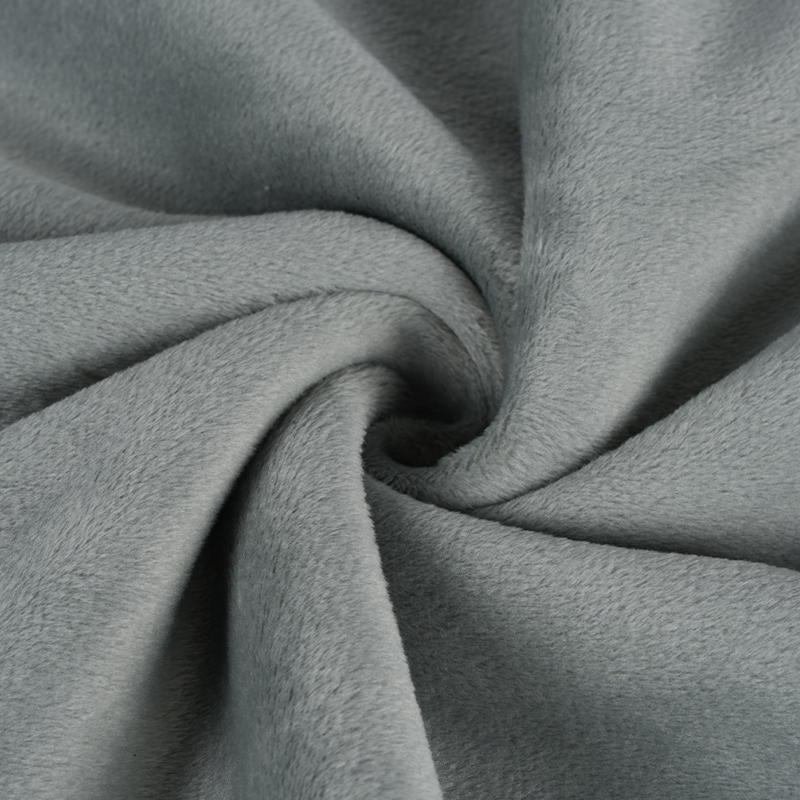
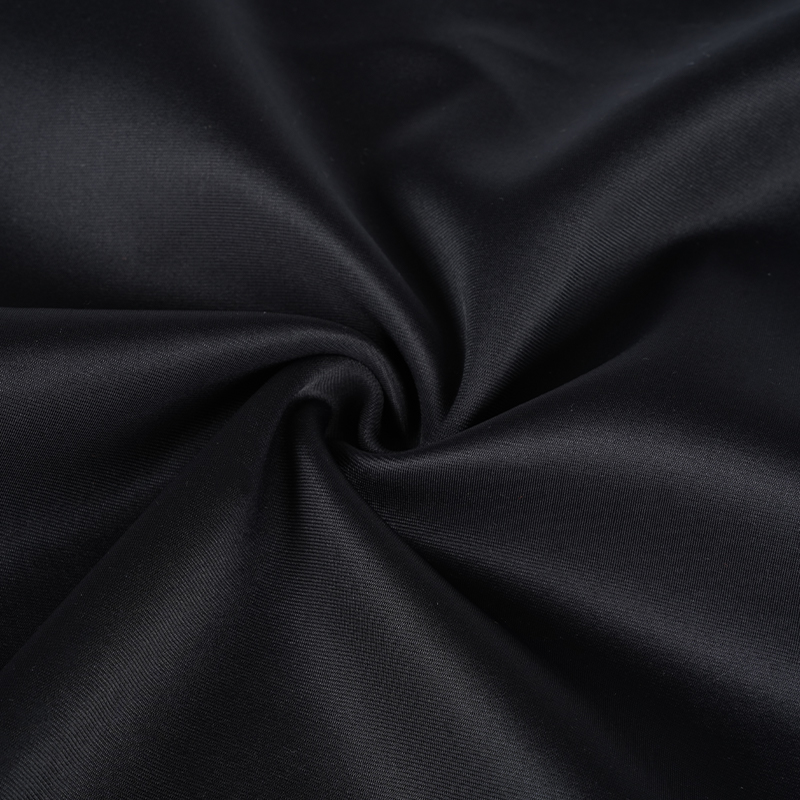
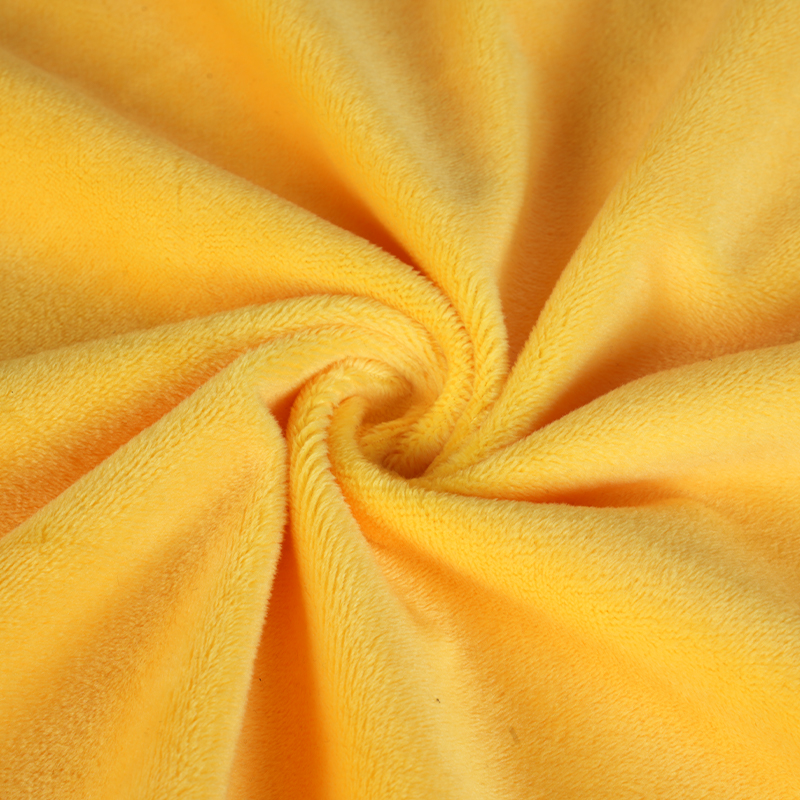
For decades, velvet was confined to the interior realms of luxury, perceived as too delicate for the rigors of nature. However, advancements in polymer science have birthed a new generation of Outdoor Velvet Fabrics. These materials combine the tactile opulence of traditional pile fabrics with the high-performance requirements of exterior environments. Architects and designers now prioritize these textiles for high-end residential patios and commercial hospitality zones. Understanding the benefits of using outdoor velvet for patio furniture requires a look at the molecular level, specifically how solution-dyed synthetics resist degradation while maintaining a soft "hand."
1. Material Composition and Pile Integrity
Traditional indoor velvet relies on cotton or silk, which succumb to mold and fading. In contrast, Outdoor Velvet Fabrics are typically engineered from 100% solution-dyed acrylic or high-UV polyester. This ensures that the color is integrated throughout the fiber rather than just on the surface. When analyzing outdoor velvet vs traditional velvet durability, the engineered version utilizes a tighter weave construction to prevent "pile crush" and ensuring that the fabric remains resilient under heavy seating loads. The structural backing is often reinforced with specialized coatings to provide dimensional stability, preventing stretching or sagging over time.
| Property | Traditional Indoor Velvet | Outdoor Velvet Fabrics |
| Fiber Base | Natural Silk / Cotton / Rayon | Solution-Dyed Acrylic / UV-Stabilized Poly |
| Color Application | Piece-Dyed (Surface only) | Solution-Dyed (Full penetration) |
| Moisture Handling | Absorbent (Prone to rot) | Hydrophobic (Resistant to mildew) |
2. Advanced Protection: UV Resistance and Colorfastness
One of the most significant engineering hurdles for exterior textiles is photo-oxidation. High-performance Outdoor Velvet Fabrics are treated with UV stabilizers that absorb or reflect harmful ultraviolet rays. This is measured by the "Lightfastness" rating, where quality outdoor textiles must exceed 1,000 to 2,000 hours of simulated sunlight exposure without significant Delta E shifts. For those wondering how to clean and maintain outdoor velvet, the answer lies in its non-porous nature; the fibers do not allow stains to penetrate the core, making most spills manageable with simple pH-neutral soap and water. This chemical resistance ensures that the luxury aesthetic does not fade under the summer sun.
3. Water Repellency and Antimicrobial Properties
To be effective in a marine or garden setting, a waterproof outdoor velvet for luxury boats must feature a DWR (Durable Water Repellent) finish. This fluorocarbon or eco-friendly silicone finish creates a high surface tension that causes water to bead and roll off. Furthermore, because exterior fabrics are exposed to humidity, these velvets are treated with antimicrobial agents to inhibit the growth of mold and mildew. When we compare heavy duty outdoor velvet for commercial use against standard grades, the commercial version often includes a secondary breathable membrane that allows air to circulate while blocking liquid water, preventing the internal foam of the furniture from rotting.
| Technical Metric | Residential Grade | Heavy duty outdoor velvet for commercial use |
| Abrasion Resistance | 15,000 - 30,000 Double Rubs | 50,000 - 100,000+ Double Rubs |
| Water Column Test | Water Repellent (Beading) | Waterproof (Membrane Backed) |
| UV Protection | Standard (UPF 30+) | Industrial (UPF 50+) |
4. Performance Metrics: Abrasion and Pilling
In high-traffic areas, the "rub test" or Martindale/Wyzenbeek count is essential. A pet-friendly outdoor velvet fabric must withstand the friction of claws and movement without pilling or snagging. Pilling resistant outdoor velvet is achieved through long-staple fibers and heat-setting processes that lock the pile in place. For engineers specifying outdoor fabric for public spaces, selecting a material that passes 50,000 double rubs is the benchmark for longevity. This mechanical strength ensures that the velvet remains smooth and soft despite the abrasive nature of outdoor dust and debris.
Selecting the Right Specification
- Marine Environments: Prioritize waterproof outdoor velvet for luxury boats with salt-water resistant finishes.
- Sunny Climates: Focus on UV resistant velvet for gazebos to ensure color longevity.
- High Humidity: Look for mold resistant outdoor velvet upholstery to prevent bio-film accumulation.
- Contract Design: Use heavy duty outdoor velvet for commercial use for hotels and resorts.
5. Summary of Best Practices
Choosing Outdoor Velvet Fabrics is no longer a compromise between beauty and utility. By selecting materials that feature fade resistant outdoor velvet fabric technology and a high-denier construction, you can create exterior lounges that are as inviting as any indoor living room. The key is to match the technical specifications—such as UV hours, rub counts, and antimicrobial treatments—to the specific environmental stressors of the project location.
Frequently Asked Questions (FAQ)
1. Can outdoor velvet be left in the rain?
Yes, provided it is high-quality Outdoor Velvet Fabrics. Most are hydrophobic and treated with a DWR finish. However, for prolonged heavy rain, using a furniture cover is recommended to protect the internal cushion foam.
2. Is outdoor velvet scratchy compared to indoor velvet?
Modern pet-friendly outdoor velvet fabric is designed to be incredibly soft. While it is made from synthetic fibers for durability, advanced texturizing processes give it a "soft touch" that is virtually indistinguishable from cotton velvet.
3. Why is my velvet changing color?
If you are not using fade resistant outdoor velvet fabric, UV rays will break down the dye. Always ensure your fabric is "solution-dyed" rather than "piece-dyed" to maintain vibrant colors for years.
4. How do I remove bird droppings or tree sap?
Consult a guide on how to clean and maintain outdoor velvet. Generally, let the debris dry, brush it off, then use a mixture of water and mild detergent. Avoid harsh chemicals that could strip the UV coating.
5. What makes a velvet "pet-friendly"?
A pilling resistant outdoor velvet is pet-friendly because its weave is tight enough that claws cannot easily snag the threads, and the hair can be easily wiped off the surface without getting trapped in the weave.
Industry References
- American Association of Textile Chemists and Colorists (AATCC) - UV Resistance Standards.
- ISO 12947-2 - Determination of Abrasion Resistance (Martindale Method).
- ASTM D3511 - Standard Test Method for Pilling Resistance.
- International Maritime Organization (IMO) - Flame Retardancy for Marine Textiles.