English
 Español
 عربى
عربى

The Evolution of Decorative Sofa Fabric in the Global Market
In the modern interior design landscape, the sofa is no longer just a functional piece of furniture; it is the centerpiece of the living space. As a leading manufacturer focused on international trade, we have observed a significant shift in how decorative sofa fabrics are perceived by global buyers. In 2026, the demand has moved beyond simple aesthetics toward a holistic requirement for durability, tactile comfort, and environmental responsibility.
Decorative fabrics serve as the skin of the furniture, determining its character and longevity. For professional wholesalers and distributors in North America and Europe, staying ahead of textile trends is essential for maintaining a competitive edge. This guide delves into the technical and stylistic advancements shaping the industry this year.
Core Materials and Advanced Weaving Techniques
The foundation of any high-quality decorative sofa fabric lies in its material composition and the precision of its construction. Current market trends highlight several key categories:
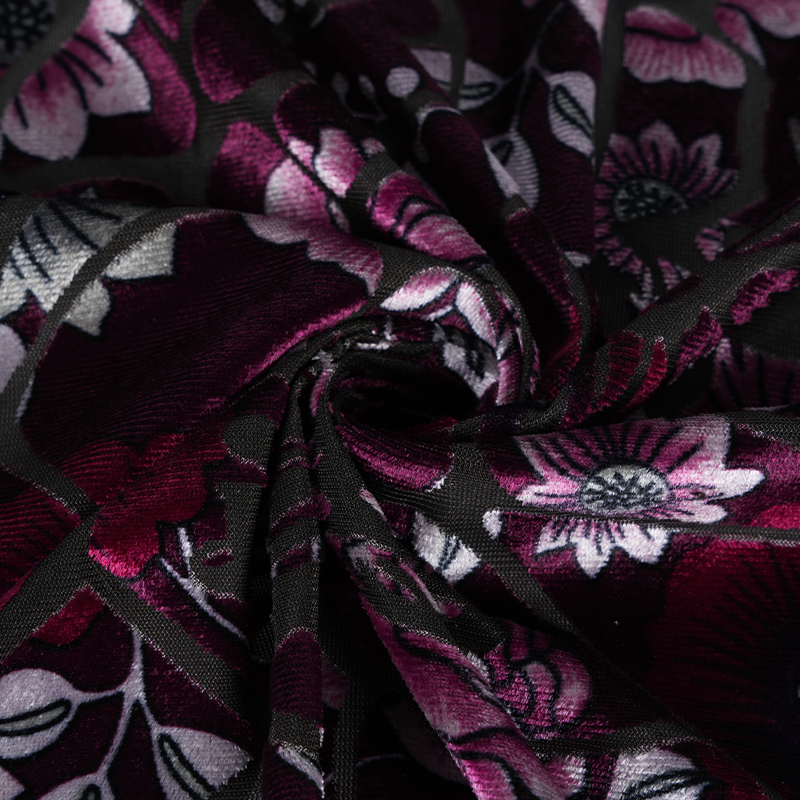
- High-Definition Jacquard: Jacquard remains the gold standard for decorative depth. By using computerized looms, manufacturers can now create intricate, multi-layered patterns that offer a three-dimensional visual effect. These fabrics are highly sought after for premium furniture lines where texture is a primary selling point.
- Premium Chenille: Known for its signature softness and voluminous look, chenille continues to dominate the cozy-luxe segment. Modern chenille is often blended with synthetic fibers to enhance its structural integrity while maintaining that classic velvet-like feel.
- Linen and Cotton Blends: For the “Natural Living” trend, blends featuring organic cotton and linen provide a breathable, matte finish. These are increasingly popular in Southeast Asian and Mediterranean markets where climate-appropriate textiles are prioritized.
Performance Features and Innovation
Functionality is now a non-negotiable aspect of decorative textiles. The “Performance Fabric” revolution has integrated laboratory-grade technology into stylish home fabrics.
- Stain and Liquid Resistance: Nanotechnology-based coatings allow liquids to bead off the surface without altering the fabric’s breathability. This is a critical selling point for B2B clients targeting family-oriented demographics.
- High Color Fastness: Exporting to regions with high UV exposure, such as the Middle East or Latin America, requires fabrics that resist fading. Advanced dyeing processes ensure that vibrant decorative patterns remain sharp for years.
- Eco-Friendly Fire Retardancy: Safety standards like BS5852 or CA117 are now met using halogen-free chemicals, ensuring the fabric is safe for both the environment and the end-user.
Comparative Analysis of Textile Series
To assist procurement managers in selecting the right material for their specific market needs, we have categorized our primary series in the table below:
| Fabric Series | Composition | Martindale Rub Test | Stain Resistance | Primary Application |
|---|---|---|---|---|
| Elite Jacquard | Polyester/Cotton Blend | 35,000+ Cycles | Level 3 | Luxury Sofas, Hotel Lobby |
| Eco-Green Series | 100% Recycled PET | 45,000+ Cycles | Level 4 | Sustainable Furniture Lines |
| Soft-Touch Chenille | Viscose/Polyester | 25,000+ Cycles | Level 2 | Residential Living Rooms |
| Ultra-Guard Pro | Engineered Synthetics | 60,000+ Cycles | Level 5 | High-Traffic Commercial |
Manufacturing Excellence and Quality Assurance
As a dedicated production factory, our manufacturing process is governed by rigorous quality control protocols. Every meter of decorative sofa fabric undergoes a multi-stage inspection:
- Yarn Strength Analysis: We test the tensile strength of raw yarns to prevent pilling and tearing under stress.
- Pattern Precision: For decorative jacquards, computerized scanners ensure that the design alignment is perfect across the entire width of the fabric roll.
- Batch Consistency: We use automated color-matching systems to ensure that repeat orders maintain the exact same hue as the original sample, a vital factor for large-scale furniture production.
Sustainable Sourcing and the Circular Economy
Sustainability is the most significant driver of innovation in 2026. The shift toward a circular economy has led us to adopt recycled materials and water-saving dyeing techniques.
Professional buyers are increasingly looking for the GRS (Global Recycled Standard) certification. By utilizing recycled polyester derived from post-consumer plastic, we reduce energy consumption by up to 30 percent compared to virgin polyester production. This not only appeals to eco-conscious consumers but also helps our B2B partners meet their corporate social responsibility goals.
Strategic Advice for International B2B Buyers
Navigating the wholesale textile market requires a balance of trend awareness and logistical planning. We recommend that our partners focus on:
- Inventory Diversification: Stocking a mix of high-performance basics and high-margin decorative statement fabrics.
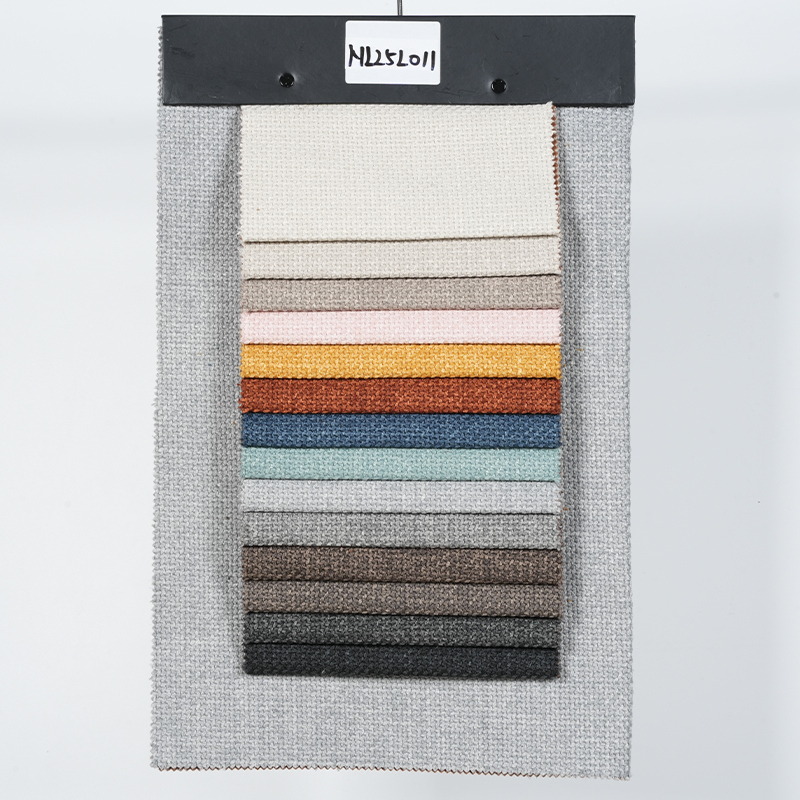
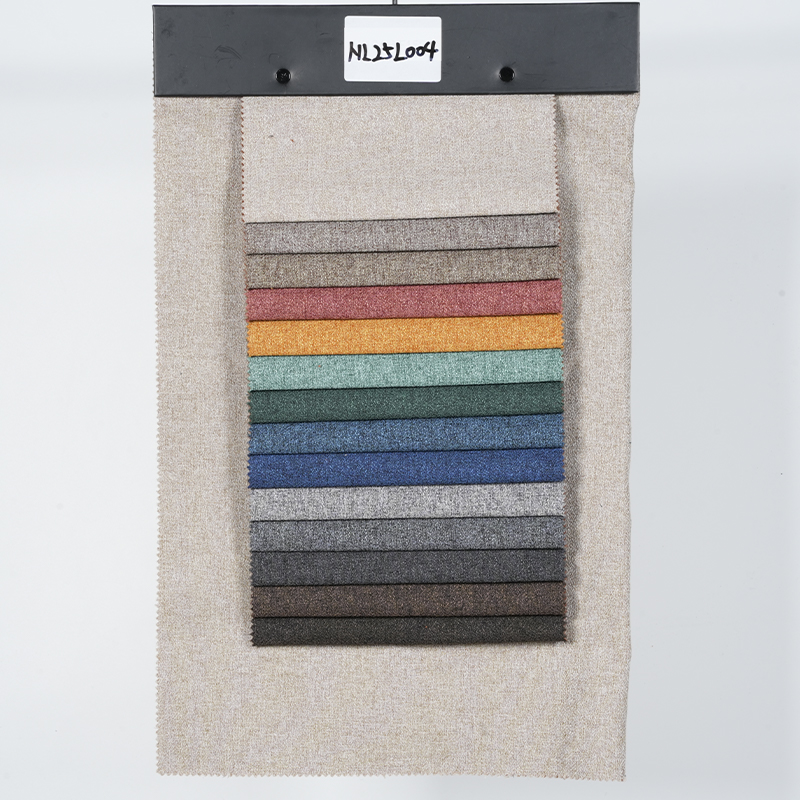
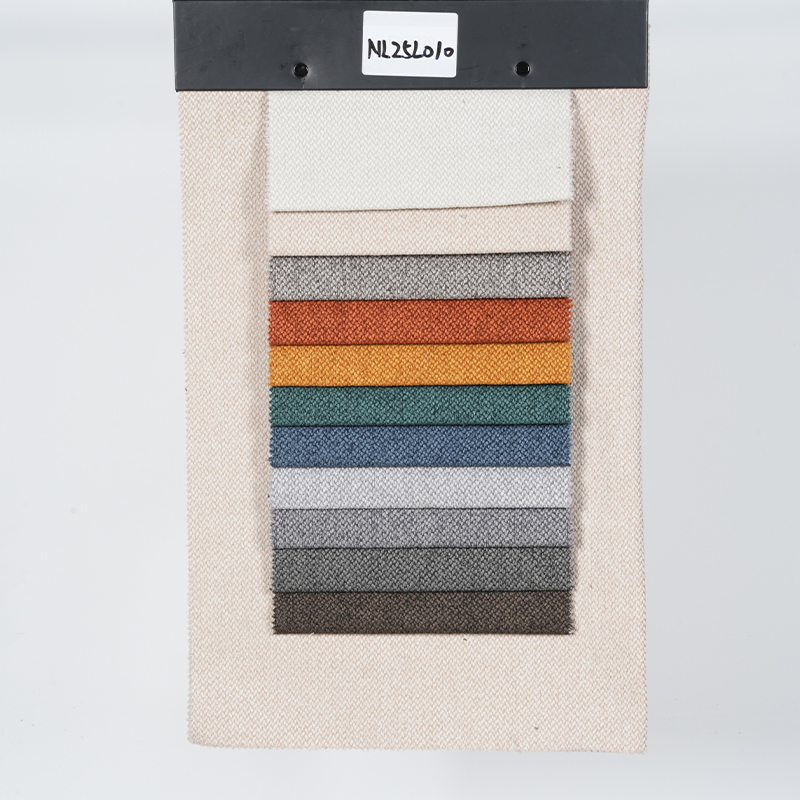
- Sample Verification: Always request physical “hangers” or yardage samples to verify the hand-feel and drape, as digital images cannot fully convey tactile quality.
- Lead Time Management: Coordinate with your manufacturer to align production schedules with peak furniture manufacturing seasons to avoid supply chain bottlenecks.
Frequently Asked Questions (FAQ)
- What is a good Martindale rating for decorative sofa fabric?
For general domestic use, a rating of 20,000 to 25,000 rubs is sufficient. For heavy-duty domestic or commercial environments, we recommend fabrics with a rating of 40,000 or higher. - How do you ensure color consistency across different dye lots?
We use spectrophotometer technology to measure color values digitally. This allows us to maintain a Delta E variance of less than 1.0, ensuring that different production batches appear identical to the naked eye. - Are your decorative fabrics pet-friendly?
Yes, our performance series features a tight weave structure that resists snagging from claws and specialized finishes that make it easy to remove pet hair and odors. - Can I customize the patterns for my brand?
As a manufacturer, we offer OEM and ODM services. We can develop exclusive patterns based on your design files or physical samples to give your brand a unique market position. - What are the shipping options for bulk textile exports?
We provide various shipping terms including FOB, CIF, and DDP. Fabric rolls are packed in heavy-duty plastic sleeves and reinforced tubes to prevent damage during sea or air freight.
References
- International Upholstery Manufacturers Association - 2026 Material Forecast.
- Textile Science Quarterly - Durability Standards for Synthetic Blends.
- Global Recycled Standard (GRS) - Guidelines for Sustainable Textile Production.
- World Furniture Research Institute - B2B Procurement Trends in the Furniture Industry.
- ISO 105-B02 - Standards for Color Fastness to Artificial Light.