English
 Español
 عربى
عربى

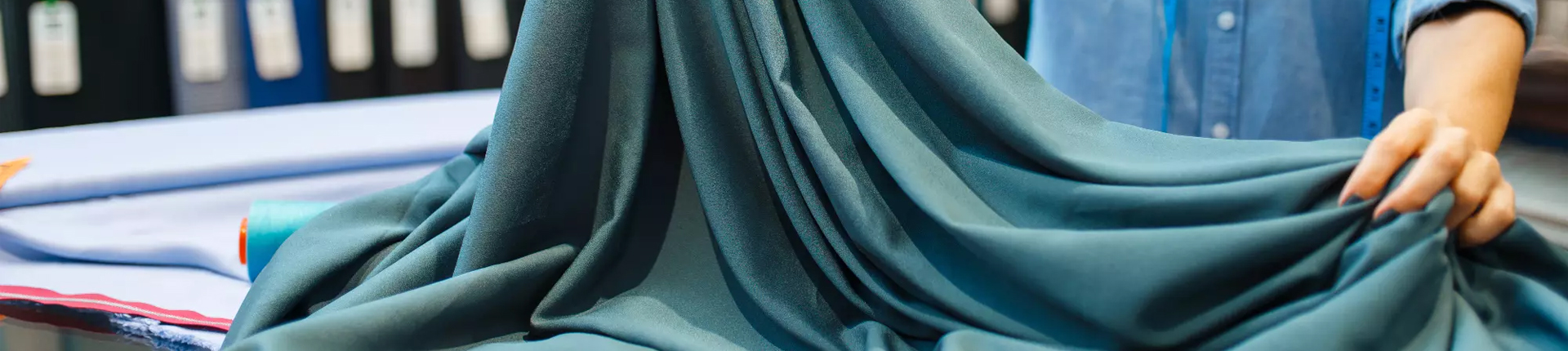
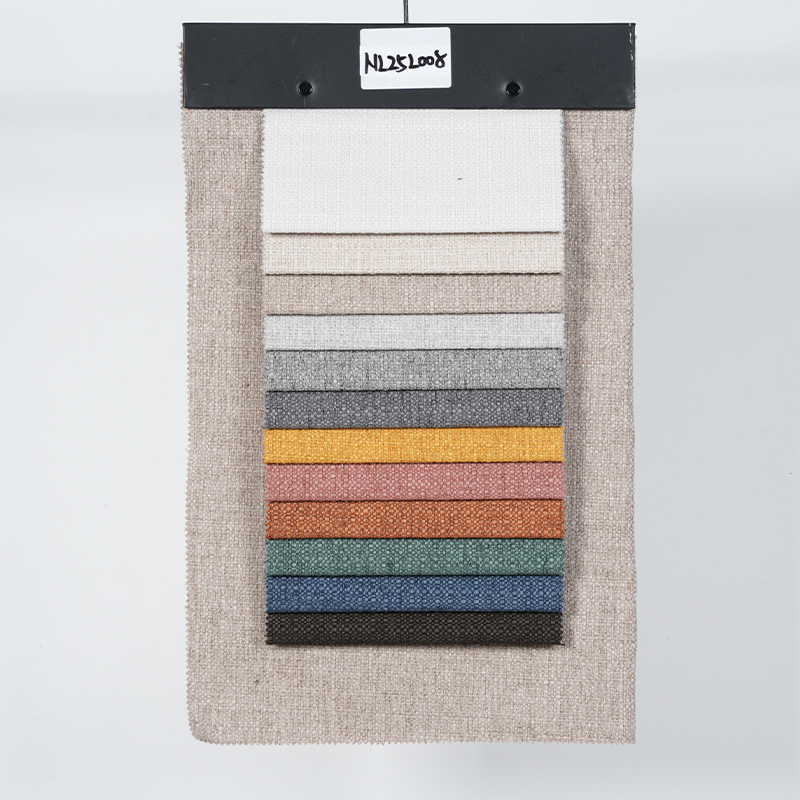
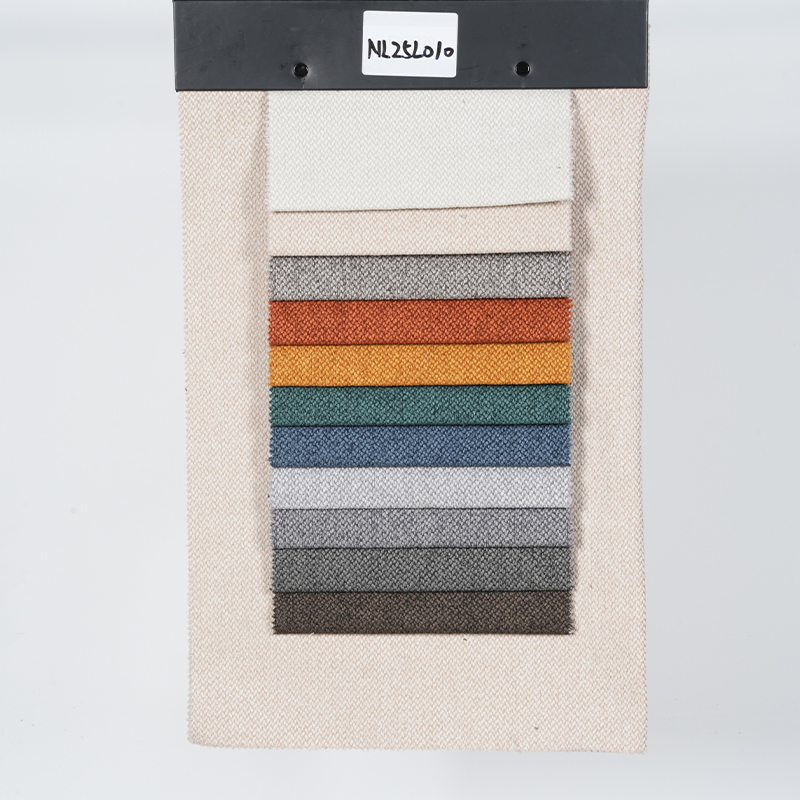
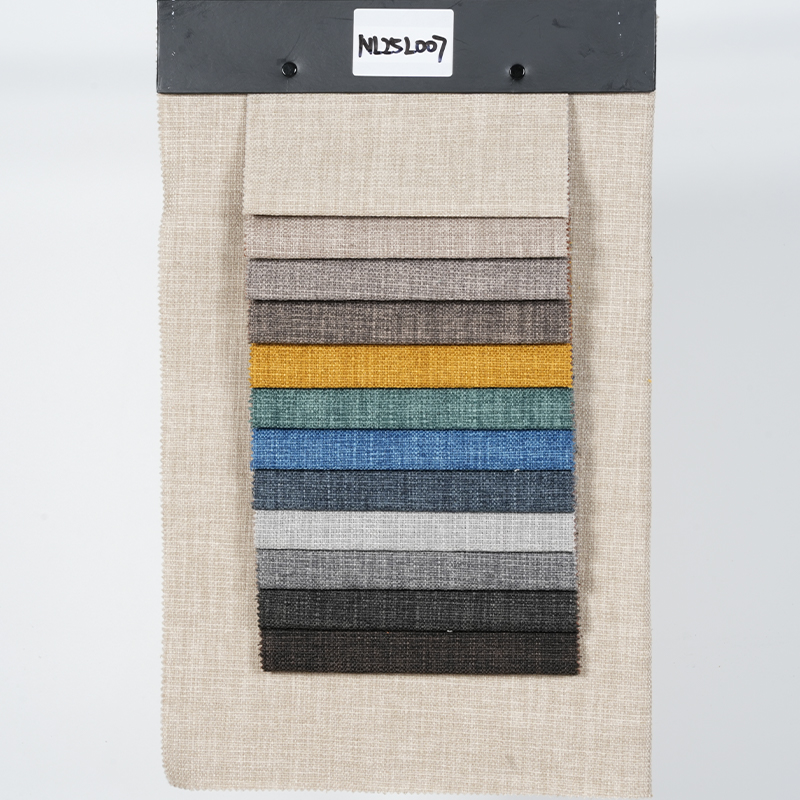
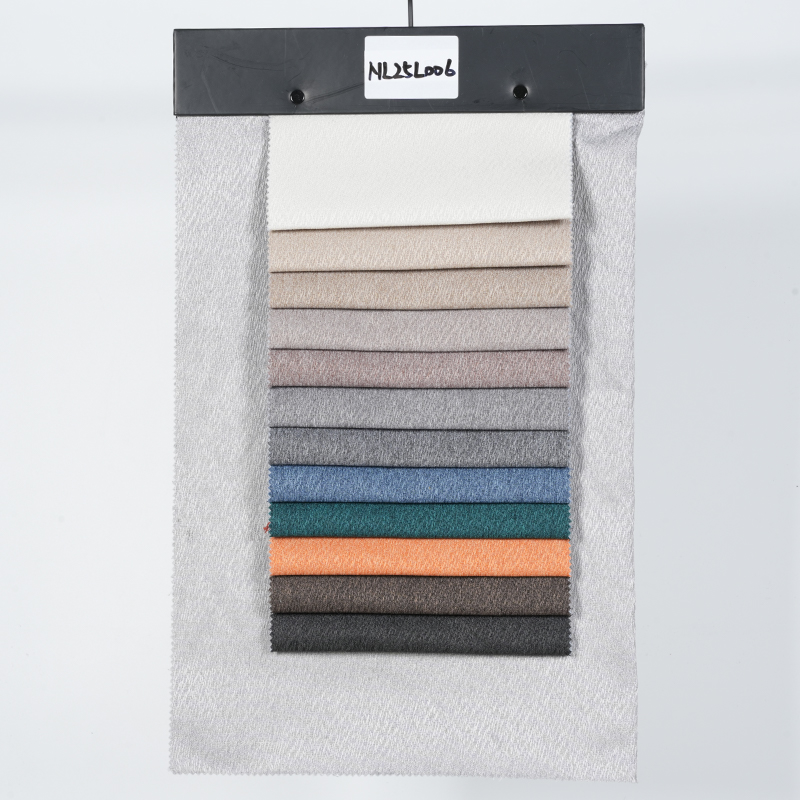
In the contemporary textile industry, the demand for materials that harmonize aesthetic elegance with high-performance durability has led to the rise of Linen Imitation Fabric. While traditional linen, derived from flax fibers, is celebrated for its prestige, it often falls short in commercial and high-traffic residential applications due to its propensity for wrinkling and high maintenance requirements. Engineered Linen Imitation Fabric utilizes advanced synthetic polymers, primarily high-tenacity polyester, to replicate the irregular slub texture of natural flax while introducing superior mechanical properties. This article explores the engineering specifications, structural advantages, and practical applications of this innovative material.
1. Material Composition and Structural Engineering
The core of linen imitation fabric for curtains and upholstery lies in its yarn structure. Unlike natural flax, which has inherently irregular nodes, synthetic versions are created using "slub yarns." These yarns are engineered by varying the twist and tension during the spinning process to create intentional thick-and-thin spots. When discussing what is linen imitation fabric made of, the answer usually involves a blend of cationic and disperse-dyeable polyester. This allows for a multi-tonal effect that mimics the organic look of natural fibers. In contrast to pure linen, which lacks elasticity, the synthetic matrix provides significant dimensional stability, preventing the "sagging" common in large-scale installations.
Comparison: Molecular Stability and Fiber Structure
Synthetic linen imitations offer a level of consistency and resilience that natural flax fibers cannot achieve under mechanical stress.
| Property | Natural Flax Linen | Linen Imitation Fabric |
| Fiber Origin | Cellulose (Flax Plant) | Synthetic Polymer (Polyester/Nylon) |
| Wrinkle Resistance | Poor (High molecular rigidity) | Superior (High elastic recovery) |
| Tensile Strength | High but Brittle | Very High and Flexible |
2. Performance Metrics: Durability and Colorfastness
From an engineering perspective, synthetic linen fabric durability is one of its most compelling attributes. Commercial upholstery requires high abrasion resistance, often measured by the Martindale or Wyzenbeek tests. While natural linen fibers may break down under friction due to their lack of pliability, imitation fabrics can easily exceed 50,000 cycles. Furthermore, the colorfastness of linen imitation fabric is significantly higher because synthetic fibers are dyed at high temperatures and pressures, allowing the pigment to penetrate the crystalline structure of the polymer. This ensures that the fabric maintains its vibrancy even when exposed to direct sunlight or industrial cleaning agents.
Comparison: Long-term Maintenance and Lifecycle
Maintenance costs for imitation fabrics are significantly lower because they do not require specialized chemical treatments or professional pressing.
| Metric | Natural Linen | Synthetic Linen Fabric |
| Shrinkage Rate | High (3% - 10%) | Negligible (<1%) |
| Pilling Resistance | Moderate | High (Grade 4-5) |
| Cleaning Method | Dry Clean / Gentle Wash | Machine Washable / Bleach Cleanable |
3. Aesthetic Replication: Achieving the "Linen Look"
Architects and interior designers often ask about how to identify high quality linen imitation fabric. The key lies in the "hand-feel" and the visual depth of the slub. High-quality imitations use a combination of different yarn deniers and cross-sectional shapes (such as trilobal fibers) to reflect light in a way that avoids a "plastic" sheen. When comparing faux linen vs real linen for upholstery, the visual distinction is becoming increasingly difficult to spot, while the functional gap widens in favor of the imitation. Advanced weaving techniques, such as jacquard or dobby looms, allow for complex textures that provide the tactile warmth associated with traditional luxury.
4. Environmental and Economic Considerations
The eco friendly linen imitation fabric options are expanding, with many manufacturers now utilizing rPET (recycled polyester from post-consumer plastic). While flax is often considered eco-friendly due to low water usage, the chemical-intensive retting and bleaching processes can be detrimental. In terms of linen imitation fabric price comparison, the synthetic version is consistently more cost-effective. It offers a luxury aesthetic at a fraction of the cost, making it the preferred choice for large-scale hospitality projects. Additionally, the longevity of synthetic fibers means fewer replacements, contributing to a lower overall environmental footprint over the building's lifecycle.
Key Technical Advantages:
- Moisture Management: Synthetic fibers do not absorb moisture like cellulose, preventing mold and mildew growth.
- UV Stability: Ideal for window treatments as it resists yellowing and fiber degradation.
- Customization: Can be treated with flame retardants (FR) and antimicrobial finishes more effectively than natural fibers.
5. Conclusion: Why Engineers Prefer Imitation
The transition toward Linen Imitation Fabric is driven by a data-backed preference for durability and ease of use. While natural linen will always hold a place in boutique fashion, the industrial and commercial sectors rely on the predictable performance of engineered synthetics. By optimizing yarn geometry and polymer chemistry, the industry has successfully created a material that captures the timeless essence of flax without the logistical headaches of the past.
Frequently Asked Questions (FAQ)
1. Is Linen Imitation Fabric as breathable as natural linen?
While natural linen is famous for its breathability, modern linen imitation fabric is engineered with a loose, porous weave that allows for significant airflow, making it highly effective for summer garments and home textiles.
2. Does synthetic linen fabric feel scratchy?
Initial synthetic imitations were somewhat stiff, but modern finishing techniques like "stone washing" or chemical softening give today's imitation fabrics a soft, "lived-in" feel that is indistinguishable from high-end flax.
3. Can I use linen imitation fabric for upholstery in high-traffic areas?
Yes. In fact, it is recommended over natural linen. Its high abrasion resistance and stain-repellent properties make it perfect for hotel lobbies, restaurants, and family living rooms.
4. Does the fabric shrink when washed?
One of the greatest benefits of polyester-based Linen Imitation Fabric is its dimensional stability. It has a shrinkage rate of less than 1%, compared to natural linen which can shrink up to 10%.
5. Is it possible to find fire retardant linen imitation fabric?
Absolutely. Because the fibers are synthetic, flame-retardant chemicals can be added during the polymer extrusion process (inherent FR) or as a back-coating, ensuring compliance with strict safety codes like NFPA 701.
Technical References
- ASTM D4966 - Standard Test Method for Abrasion Resistance of Textile Fabrics (Martindale Method).
- ISO 105-B02 - Colorfastness to artificial light: Xenon arc fading lamp test.
- Textile Science and Technology Series: "Advanced Fiber Spinning and Yarn Texturing."
- Journal of Engineered Fibers and Fabrics: "Comparative Analysis of Natural and Synthetic Slub Yarns."