English
 Español
 عربى
عربى

1. Molecular Structure and Martindale Abrasion Resistance Analysis
- 1. To answer is polyester good fabric for sofa longevity, one must examine the high-tenacity polymer chains of polyethylene terephthalate (PET). This material exhibits high crystalline density, which translates to exceptional surface endurance.
- 2. In standardized Martindale abrasion test results for polyester, high-density weaves often exceed 40,000 to 100,000 rubs, qualifying them for "Heavy Duty" residential and commercial use under BS EN ISO 12947.
- 3. Polyester Sofa Fabric maintains its structural integrity because the fibers possess a high elastic recovery rate, preventing the permanent deformation often seen in natural cellulose fibers after repeated mechanical stress.
2. Managing Surface Integrity and Fiber Pilling Grades
- 1. A common technical concern is how to prevent polyester sofa pilling. Pilling occurs when loose fibers migrate to the surface and form small balls due to friction.
- 2. Modern textile engineering utilizes low-pill filaments and heat-setting processes to achieve a pilling grade of 4-5 (on a scale of 1-5) according to ISO 12945-2.
- 3. Polyester vs cotton sofa durability (Polyester vs cotton sofa durability comparison) shows that while cotton is breathable, polyester's synthetic nature prevents fiber breakage that leads to premature thinning of the textile matrix.
3. Chemical Stability, Stain Resistance, and Hydrophobic Properties
- 1. The hydrophobic nature of polyester upholstery means the fabric has a moisture regain of only 0.4%, significantly lower than linen or silk.
- 2. Because liquids remain on the surface rather than penetrating the fiber core, cleaning polyester sofa stains (Best methods for cleaning polyester sofa stains) is efficient using pH-neutral aqueous solutions without risking water-ring marks.
- 3. Furthermore, UV resistance of polyester sofa fabric ensures that the molecular bonds do not degrade or discolor when exposed to direct sunlight (Grade 6+ on the Blue Wool Scale).
4. Material Comparison for High-Traffic Environments
- 1. When selecting materials for public lounges, the benefits of 100% polyester sofa fabric include inherent flame retardancy (when treated) and resistance to mildew and rot.
- 2. Unlike natural fibers, is polyester good fabric for sofa applications in humid climates? Yes, its non-organic composition provides no nutrient source for biological growth.
- 3. The following data compares 100% is polyester good fabric for sofa parameters against common alternatives:
Property Polyester (100%) Linen (100%) Cotton (100%) Martindale Rubs 40,000 - 100,000+ 15,000 - 25,000 20,000 - 30,000 Moisture Regain 0.4% 12.0% 8.5% Tensile Strength High (4-7 g/d) Moderate (5-6 g/d) Low (3-4 g/d) Pilling Resistance Grade 4 Grade 5 Grade 3
5. Safety Compliance and VOC Emission Standards
- 1. High-grade Polyester Sofa Fabric is often tested for OEKO-TEX Standard 100 compliance, ensuring the absence of harmful formaldehyde and heavy metals.
- 2. Regarding environmental impact of polyester sofa fabric (Environmental impact of polyester sofa fabric and recycling), 2026 industry standards emphasize the use of rPET (recycled polyester) to reduce carbon footprints by up to 30% compared to virgin polymers.
- 3. Is polyester fabric safe for sofa use in homes with infants? When certified low-VOC (Volatile Organic Compounds), it provides a chemically stable environment with minimal off-gassing.
6. Advanced Weaving Techniques and Aesthetic Versatility
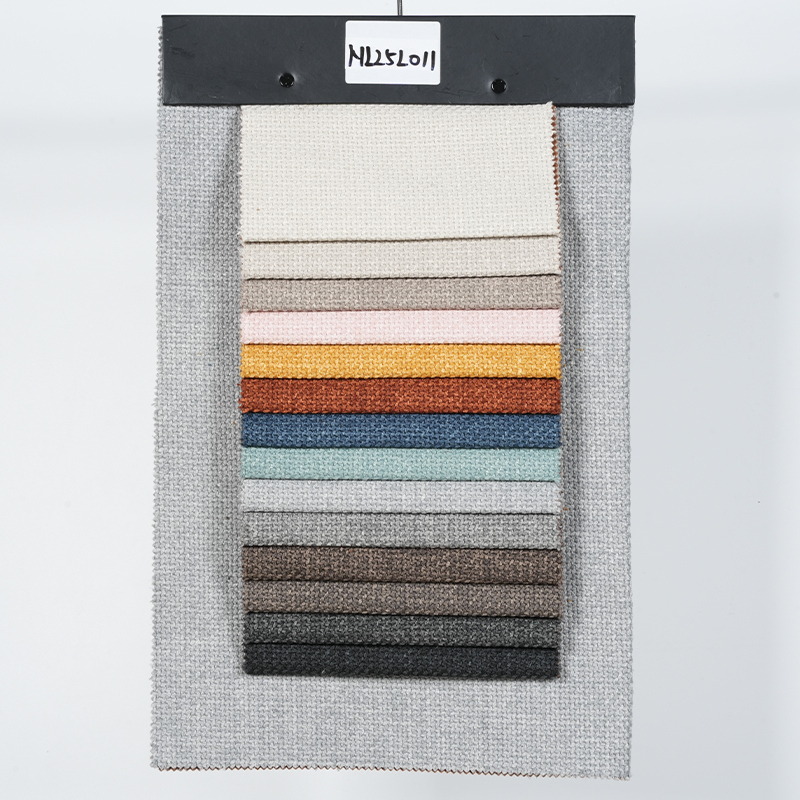
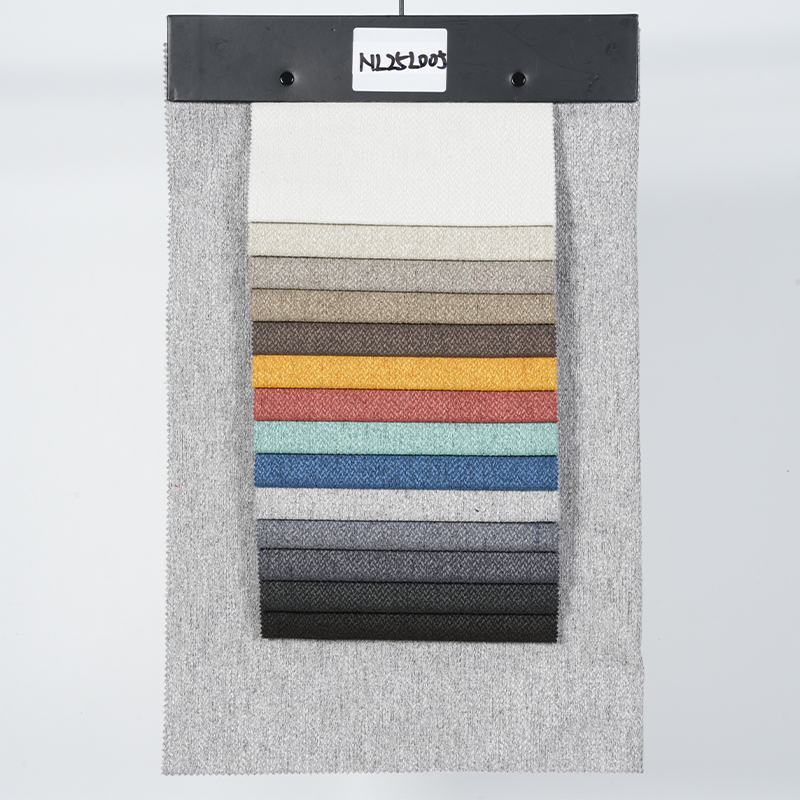
- 1. Through textured yarn air-jetting, manufacturers can create Polyester Sofa Fabric that replicates the Ra surface finish of natural linen while retaining synthetic durability.
- 2. Why is polyester the best fabric for pet owners? The tight weave and smooth filament surface prevent pet claws from snagging and facilitate the easy removal of pet hair via static-neutralizing brushes.
- 3. Dimensional stability is a key factor; polyester fabric shrinkage rates are typically less than 1% after laundering, compared to 5-10% for untreated natural fibers.
Hardcore FAQ: Polyester Sofa Textiles
- 1. Does polyester make a sofa feel hot? Ans: While early synthetics lacked breathability, modern "breathable" weaves and micro-denier yarns facilitate airflow and moisture wicking, comparable to mid-weight cotton.
- 2. How do I identify a high-quality polyester weave? Ans: Check the GSM (Grams per Square Meter). For sofas, a weight between 350g/m2 and 600g/m2 generally indicates a high-density, durable construction.
- 3. Can I use bleach on a polyester sofa? Ans: Generally no, as it can damage the fiber structure. Use specialized "S" (Solvent) or "WS" (Water/Solvent) cleaners based on the manufacturer's code.
- 4. Is polyester static-prone? Ans: In very dry environments, yes. However, many premium upholstery fabrics now incorporate anti-static filaments or topical treatments to dissipate charges.
- 5. Will a polyester sofa stretch over time? Ans: No. Polyester has a high Young’s Modulus, meaning it resists stretching and "puddling" on seat cushions better than leather or linen.
Technical References and Textile Standards
- 1. ISO 12947-2:2016 - Textiles — Determination of the abrasion resistance of fabrics by the Martindale method.
- 2. AATCC 16.3 - Colorfastness to Light: Xenon-Arc, evaluating UV degradation in upholstery.
- 3. BS 5852 - Methods of test for assessment of the ignitability of upholstered seating by smouldering and flaming ignition sources.