English
 Español
 عربى
عربى

1. Fiber Surface Morphology and Snagging Resistance
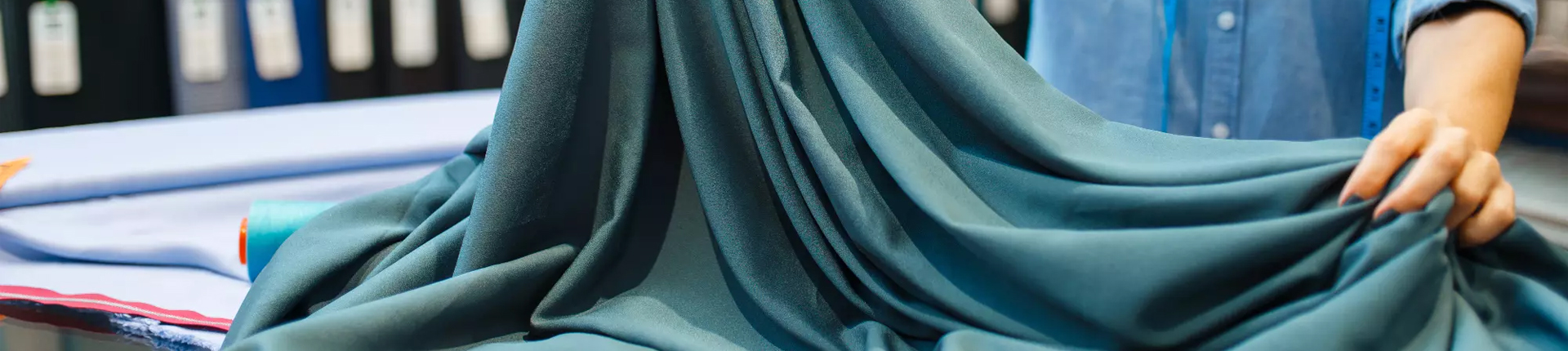
- 1. To determine is polyester good fabric for sofa utility in households with pets, one must analyze the filament structure of synthetic polymers. Unlike natural fibers with loose scales, polyester filaments are extruded as smooth, continuous cylinders.
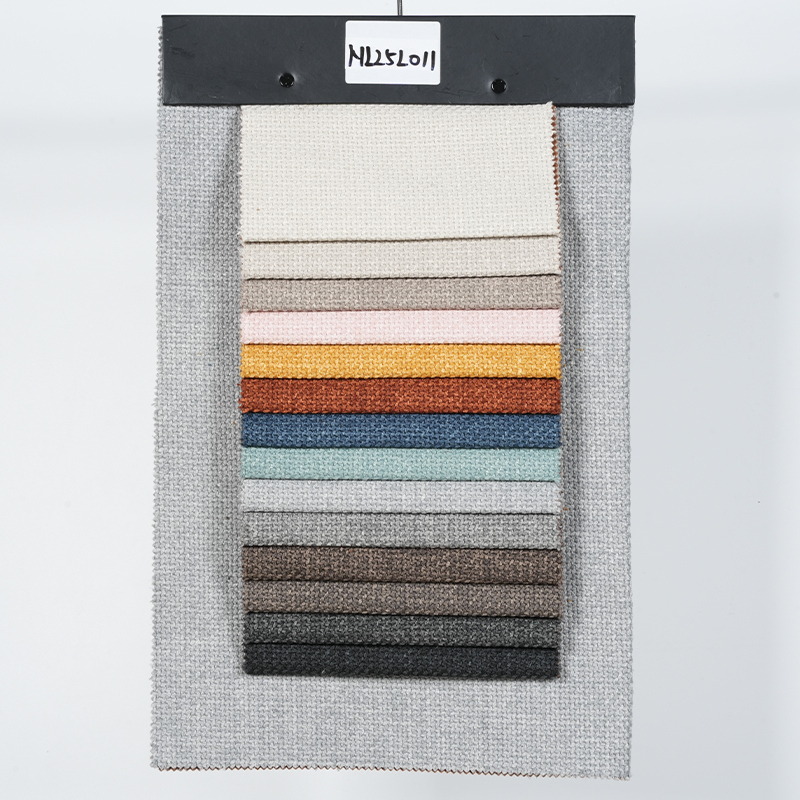
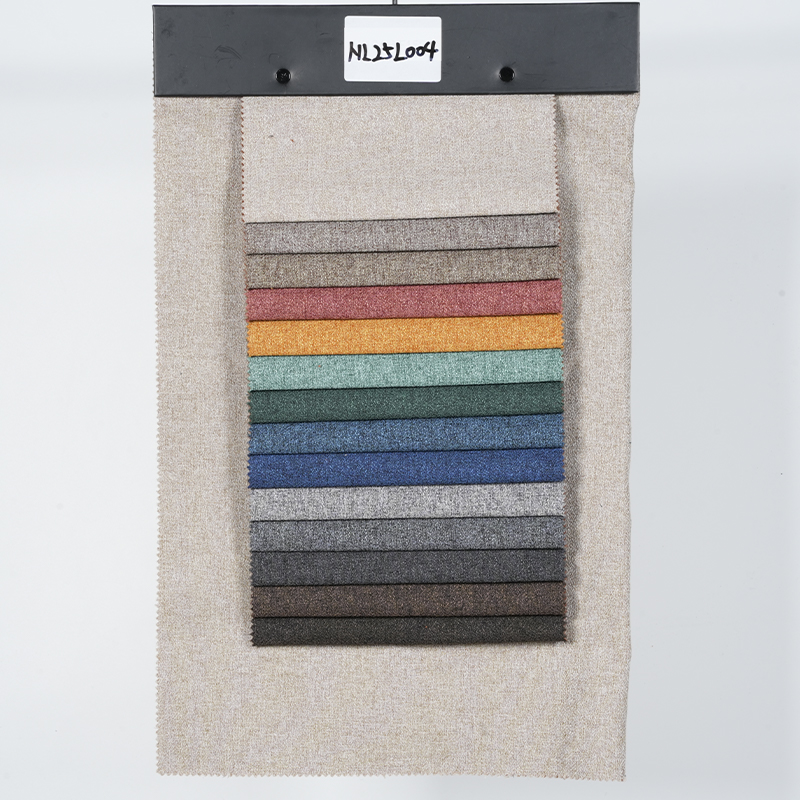
- 2. This smooth surface contributes to why polyester resists pet claw snags, as there are no microscopic loops for claws to penetrate and pull. Tight weaves, such as those found in high-performance Polyester Sofa Fabric, significantly reduce the risk of structural unraveling.
- 3. Under ASTM D3939 (Mace Snag Test), high-density polyester textiles typically achieve a rating of 4 or 5, indicating minimal surface disruption even under localized mechanical stress.
2. Hydrophobic Properties and Molecular stain removal for pet-friendly sofas
- 1. The fundamental chemical advantage of Polyester Sofa Fabric lies in its moisture regain rate of approximately 0.4%. This low absorption constant ensures that pet accidents or saliva do not penetrate the fiber core.
- 2. Effective stain removal for pet-friendly sofas is chemically facilitated because the synthetic fibers do not swell when wet, preventing the ""setting"" of organic pigments or odor-causing bacteria.
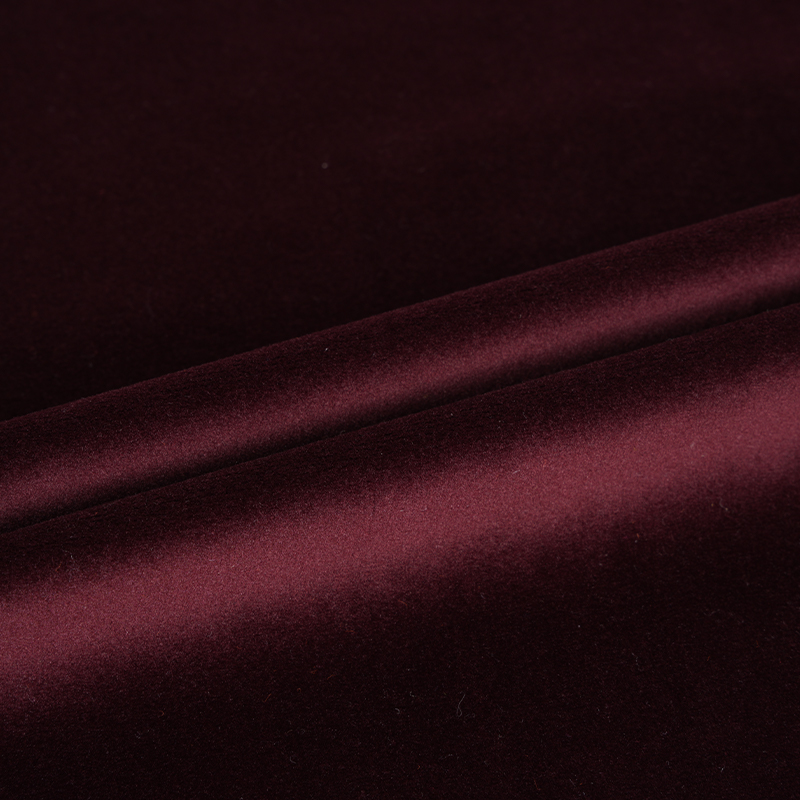
- 3. Comparing polyester vs velvet for cat owners (Polyester vs velvet for cat owners comparison), non-looped polyester weaves prevent hair entrapment, a common failure point for high-pile fabrics.
3. Abrasion Endurance and how to prevent polyester sofa scratches
- 1. Is polyester good fabric for sofa durability when subjected to repetitive scratching? Testing under the Martindale method (ISO 12947-2) shows that polyester often withstands 50,000+ rubs without significant thinning.
- 2. While no fabric is strictly indestructible, understanding how to prevent polyester sofa scratches involves selecting a weave with a high thread count and a low Ra surface finish, which offers no ""grip"" for feline claws.
- 3. The tensile strength of polyester sofa upholstery ensures that even if localized pressure is applied by large breed dogs, the fabric maintains its dimensional stability without permanent sagging or tearing.
4. Comparative Analysis of Performance Textiles
- 1. In the context of is polyester good fabric for sofa longevity, the following table compares technical metrics against common alternatives often considered by pet owners:
Performance Metric 100% Polyester Linen/Cotton Blends Genuine Leather Puncture Resistance High (Tight Weave) Low (Loose Fiber) High (Fibrous Matrix) Odor Absorption Extremely Low High (Organic Fiber) Moderate Cleaning Ease (Pet Urine) Excellent (Surface Stay) Poor (Deep Soak) Moderate Scratch Visibility Low (Modified Filaments) Moderate High (Surface Scars)
5. Managing pet hair removal from polyester sofas
- 1. Static electricity is a secondary factor; is polyester good fabric for sofa maintenance if it attracts fur? Synthetic fibers can develop a static charge, but modern Polyester Sofa Fabric often includes anti-static treatments or carbon-infused filaments.
- 2. The lack of an open-fiber structure makes pet hair removal from polyester sofas straightforward; fur remains on the surface and can be removed with a rubber squeegee or a high-velocity vacuum without becoming ""woven"" into the textile.
- 3. Furthermore, the UV stability of polyester for sunny pet spots ensures the fabric does not become brittle or lose its color fastness (reaching Grade 6-7 on ISO 105-B02) when pets occupy sun-drenched areas of the furniture.
6. Chemical Safety and is polyester safe for pets and infants
- 1. When questioning is polyester safe for pets and infants, engineers prioritize OEKO-TEX Standard 100 and REACH compliance. These certifications verify that the fabric is free from harmful flame retardants or heavy metals.
- 2. The non-organic nature of the polymer means it does not support the growth of dust mites or allergens, making hypoallergenic benefits of polyester sofas a significant advantage for pets with sensitive skin or respiratory issues.
- 3. For high-traffic use, modified polyester for heavy pet use often features a nano-scale coating that enhances oleophobicity, repelling the natural oils found in pet fur and preventing the ""greasy"" buildup common in natural textiles.
Hardcore FAQ: Pet-Friendly Polyester
- 1. Does polyester hold ""wet dog"" smells? Ans: No. Because polyester is non-porous and hydrophobic, organic odors do not bond with the fiber. Odors typically reside in the dust *on* the fabric, which is easily vacuumed away.
- 2. Can a cat’s claw pierce through the polyester weave? Ans: This depends on the GSM. A fabric weight above 400g/m2 with a tight interlacing pattern is extremely difficult to pierce compared to loose-knit fabrics.
- 3. Is pilling worse if my dog jumps on the sofa frequently? Ans: Friction can cause pilling, but ""low-pill"" polyester treated with heat-singeing during manufacturing maintains a Grade 4.5 rating on the ISO 12945-2 scale.
- 4. How should I clean pet vomit from a polyester sofa? Ans: Blot immediately. Use a solution of distilled water and a mild synthetic detergent. The stain will usually lift without leaving a shadow due to the fiber's chemical resistance.
- 5. Are recycled polyester fabrics (rPET) as durable as virgin ones? Ans: Yes. The molecular chain of rPET is virtually identical to virgin PET, maintaining the same Martindale abrasion and tensile strength standards.
Technical References and Textile Standards
- 1. ASTM D3939/D3939M - Standard Test Method for Snagging Resistance of Fabrics (Mace Test).
- 2. ISO 105-B02:2026 - Textiles — Tests for color fastness — Part B02: Color fastness to artificial light.
- 3. BS EN 14465 - Textiles. Upholstery fabrics. Specification and methods of test for heavy-duty furniture.