English
 Español
 عربى
عربى

Introduction: The Critical Role of Fabric Selection in Sofa Manufacturing
Choosing the right sofa fabric is not merely an aesthetic decision; it is a critical engineering choice that dictates the longevity, safety, and marketability of the final furniture piece. For manufacturers and international exporters, understanding the microscopic differences between various textile fibers is essential to meet the diverse regulatory standards of global markets. This guide provides an in-depth technical analysis of the most prominent sofa fabrics used in today’s global supply chain, focusing on physical properties, chemical resistance, and performance benchmarks.
The Science of Natural Fibers: Linen and Cotton
Natural fibers have long been the gold standard for high-end, breathable upholstery. Linen, derived from the flax plant, is celebrated for its exceptional tensile strength and natural luster. From a technical standpoint, linen fibers are thicker and more irregular than cotton, which gives the fabric its characteristic texture. However, linen is prone to wrinkling because the fibers lack elasticity.
Cotton, on the other hand, is the most versatile natural fiber. It offers superior softness and is highly absorbent. In the context of sofa manufacturing, cotton is often utilized in “duck” or “canvas” weaves to enhance its abrasion resistance. While natural fibers offer a premium “hand-feel” that synthetic alternatives struggle to replicate, they are naturally more susceptible to UV degradation and moisture absorption, which can lead to mold if not treated with specialized finishes.
Engineering Synthetic Dominance: Polyester and Nylon
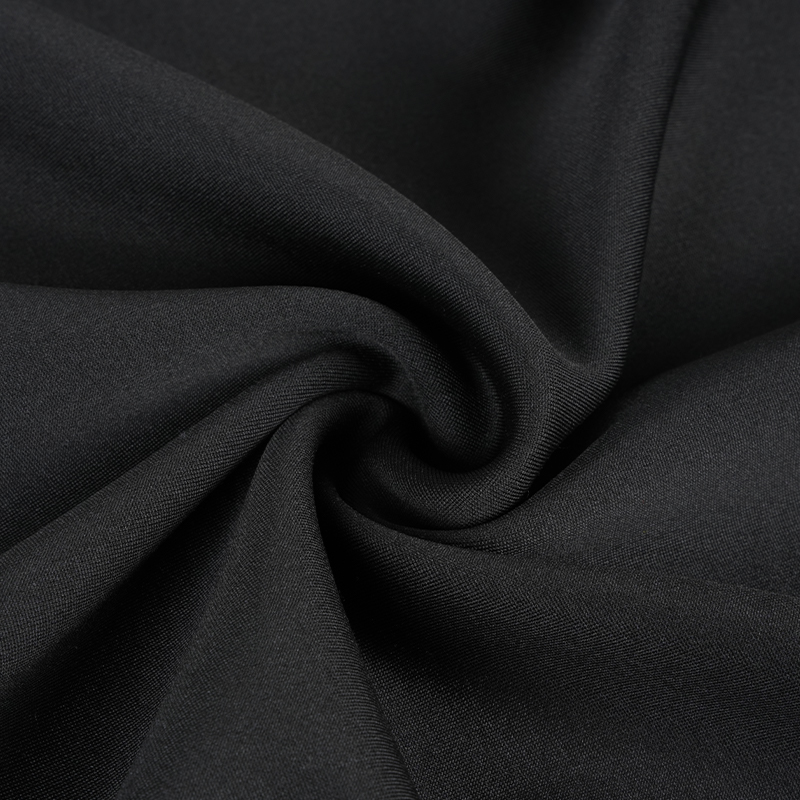
Synthetic fibers like polyester and nylon have revolutionized the export market due to their extreme durability and cost-effectiveness. Polyester is the most widely used synthetic fiber in the sofa industry. It is hydrophobic, meaning it repels water and resists staining naturally. Modern manufacturing techniques have allowed for “micro-denier” polyester, which creates a texture as soft as silk but with the strength of industrial plastic.
Nylon is often blended with other fibers to improve pilling resistance. It is one of the strongest fibers available, making it ideal for high-traffic commercial environments such as hotel lobbies or airport lounges. The primary advantage of synthetics is their ability to take on complex chemical treatments, such as flame retardants and antimicrobial coatings, without compromising the structural integrity of the weave.
Technical Performance Comparison: Natural vs. Synthetic
To assist procurement managers in making informed decisions, the following table compares the key performance indicators (KPIs) of common sofa fabrics based on standard textile testing methods.
| Fabric Type | Fiber Source | Abrasion Resistance (Martindale) | Moisture Regain (%) | UV Resistance | Pilling Resistance |
|---|---|---|---|---|---|
| Linen | Natural (Flax) | 15,000 to 25,000 | 12.0% | Moderate | High |
| Cotton | Natural (Plant) | 10,000 to 20,000 | 8.5% | Low | Moderate |
| Polyester | Synthetic | 40,000 to 100,000+ | 0.4% | High | High |
| Velvet (Poly) | Synthetic | 50,000 to 80,000 | 0.5% | High | Very High |
| Chenille | Blend | 20,000 to 30,000 | Variable | Moderate | Moderate |
Understanding the Martindale Rub Test and Wyzenbeek Standards
For international trade, “durability” is quantified through standardized tests. The Martindale test, prevalent in Europe and Asia, involves a circular rubbing motion against the fabric until the yarn breaks. For a sofa to be classified as “Heavy Domestic Use,” it must exceed 25,000 rubs. For commercial or “Contract” grade, results should exceed 40,000 rubs.
The Wyzenbeek test, more common in the North American market, uses a back-and-forth motion. Understanding these metrics allows manufacturers to provide documented proof of quality to overseas buyers. For example, a 100% polyester fabric with a 100,000 Martindale rating is a powerful selling point for hospitality projects where furniture undergoes constant use.
Advanced Weaving Techniques: Jacquard vs. Plain Weave
The method of construction is as important as the fiber itself. A plain weave is the simplest form, where the warp and weft cross at right angles. It is durable and economical but lacks visual depth.
Jacquard weaving, however, uses a specialized loom to create intricate patterns directly into the fabric. This is not a print; the design is part of the structural integrity. In high-quality sofa fabric manufacturing, Jacquards allow for the combination of different yarn types (e.g., a polyester base with a chenille pattern) to balance beauty with technical performance. This complexity increases the “grams per square meter” (GSM) of the fabric, which is a direct indicator of quality and “heaviness” requested by many wholesale buyers.
Chemical Treatments and Safety Standards for Global Markets
Exporters must navigate a complex web of safety regulations. In the UK, the BS 5852 standard requires fabrics to be cigarette and match-resistant. In the USA, the CAL 117 standard is the benchmark.
Modern sofa fabrics often undergo “Back-Coating,” where a layer of fire-retardant chemical or stabilizing foam is applied to the reverse side of the fabric. Additionally, the rise of “Performance Fabrics” has introduced nanotechnology finishes that allow liquids to bead up and roll off the surface, preventing deep-seated stains. These treatments are essential for manufacturers targeting the premium family-friendly or pet-friendly market segments.
Maintenance Protocols for Long-Term Durability
To ensure the longevity of upholstered furniture, maintenance must be tailored to the fiber type. Natural fibers require delicate care; acidic cleaning agents can permanently damage linen or cotton. Vacuuming with a soft brush attachment is recommended to remove dust particles that act as abrasives on the fiber surface.
For synthetic polyester fabrics, maintenance is significantly simpler. Most water-based stains can be removed with a mild detergent solution. However, heat must be avoided, as high temperatures can melt the synthetic fibers or distort the weave pattern. Providing clear maintenance documentation to the end customer is a hallmark of a professional manufacturing partner.
Conclusion: Selecting the Optimal Fabric for Your Market
In conclusion, there is no single “best” sofa fabric; there is only the right fabric for a specific application. High-end residential brands may prioritize the breathability and prestige of linen and cotton blends. Conversely, manufacturers focusing on volume and commercial contracts will find the durability and standardized performance of polyester and nylon to be more advantageous. By understanding these technical nuances, manufacturers can better serve their international clients and build a reputation for quality and reliability in the competitive global export landscape.
FAQ
- What is the best fabric for a sofa if I have pets?
Synthetic microfibers or high-density polyester are the best choices. These fabrics have a tight weave that resists snagging from claws and allows for easy removal of pet hair and stains. - Does a higher GSM always mean better quality?
While a higher GSM (Grams per Square Meter) generally indicates a thicker and more durable fabric, it is not the only factor. The fiber quality and the Martindale rub count are equally important indicators of longevity. - Why do some sofa fabrics pill over time?
Pilling occurs when short fibers migrate to the surface and form small balls due to friction. This is more common in loose weaves or lower-quality blends. High-quality synthetic fabrics are engineered to minimize this effect. - Are all sofa fabrics fire-retardant?
No, most fabrics are not naturally fire-retardant. They must undergo specific chemical treatments to meet international safety standards like BS 5852 or CAL 117. - How do I choose between a plain weave and a Jacquard?
Choose a plain weave for a minimalist, modern look and cost-efficiency. Choose a Jacquard if you require intricate patterns, high texture, and a more luxurious, heavy-duty feel for premium furniture lines.
References
- Textile Science: An Introduction to Fibers and Fabrics - A. Wynne
- ISO 12947-2:2016 - Determination of Specimen Breakdown for Martindale Method
- The Standard Methods for Upholstery Fabric Testing - International Fabric Association (IFA)
- Chemical Finishes for Textiles - W.D. Schindler and P.J. Hauser
- ASTM D4157 - Standard Test Method for Abrasion Resistance of Textile Fabrics (Wyzenbeek)