English
 Español
 عربى
عربى

1. Physical Morphology of High-Density Pile Structures
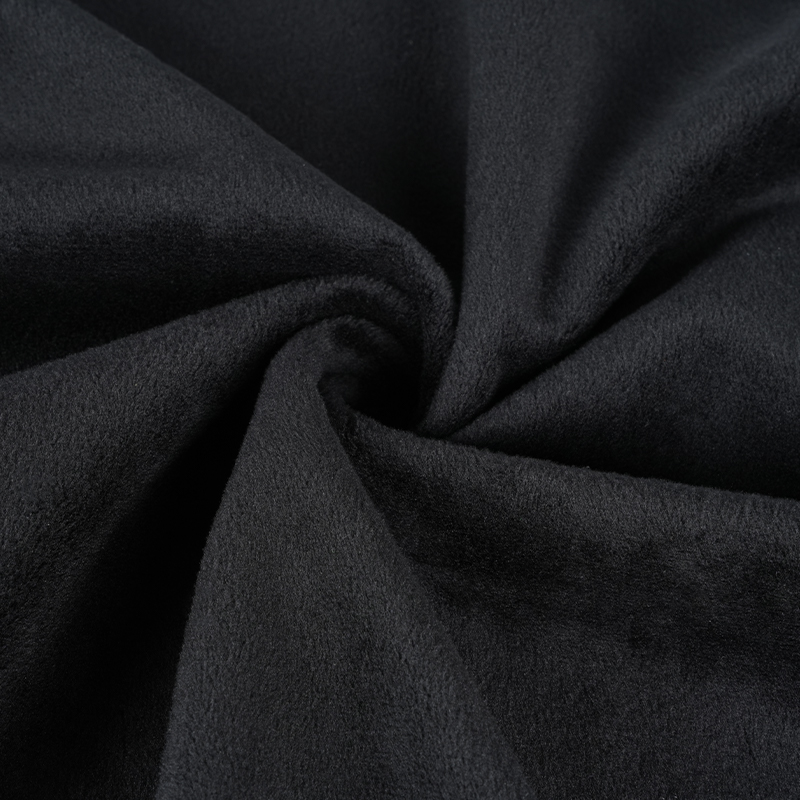
- 1. The structural integrity of modern velvet upholstery fabric is defined by its three-dimensional warp-pile construction. Unlike flat weaves, the vertical orientation of the yarns creates a soft Ra surface finish while presenting a unique mechanical challenge: crushing under compressive stress.
- 2. To understand how modern velvet prevents permanent crushing, engineers analyze the filament density per square centimeter. High-density polyester micro-filaments provide a collective structural support that resists the buckling of individual fibers.
- 3. Using modern velvet upholstery fabric engineered with high-tenacity polymers ensures that the "V" or "W" weave interlacing remains anchored to the base cloth, even under high-load cycles.
2. Analyzing Pile Recovery Technology and Elastic Deformation
- 1. Pile recovery technology in modern velvet utilizes the high Young's Modulus of modified synthetic fibers. These fibers act as microscopic springs that return to their original vertical orientation once the external pressure is removed.
- 2. When comparing modern velvet vs traditional cotton velvet (modern velvet vs traditional cotton velvet performance), the synthetic variant exhibits significantly lower moisture regain (0.4%), which prevents humidity from "setting" pressure marks into permanent creases.
- 3. How to remove pressure marks from velvet upholstery involves understanding thermodynamic fiber memory; application of low-temperature steam (below 100 degrees Celsius) can trigger the polymer's elastic memory to restore pile height.
3. Mechanical Testing Standards for Abrasion and Compression
- 1. Evaluation of modern velvet upholstery fabric often involves the Martindale abrasion test for modern velvet (ISO 12947-2). Performance-grade fabrics typically exceed 50,000 to 100,000 rubs without fiber loss or significant pile thinning.
- 2. Beyond abrasion, the dynamic loading test for velvet resilience measures the percentage of pile height recovery after 1,000 impacts, ensuring the material meets heavy-duty commercial specifications.
- 3. Technical comparison of resilience metrics:
Parameter Performance Polyester Velvet Traditional Silk/Cotton Velvet Pile Recovery Rate 95% - 98% 70% - 80% Hydrophobic Rating High (Inherent) Low (Absorbent) Static Load Resistance Excellent Poor (Susceptible to Bruising)
4. Chemical Stability and Advanced Finishing Processes
- 1. The benefits of PFAS-free velvet stain resistance are achieved through nano-scale surface engineering rather than heavy chemical coatings, ensuring environmental compliance with GRS and OEKO-TEX standards.
- 2. Regarding is modern velvet pet-friendly (Is modern velvet pet-friendly snagging analysis), the short-pile construction prevents claw penetration, while the anti-static treatment reduces the attraction of pet dander and fur.
- 3. Modern velvet upholstery fabric utilizing solution-dyed yarns achieves a colorfastness to light rating of Grade 6+ (ISO 105-B02), preventing UV-induced degradation of the polymer chains that leads to fiber brittleness.
5. Maintenance Engineering and Cleaning codes for modern velvet upholstery
- 1. Professional cleaning codes for modern velvet upholstery usually specify "W" (Water-based) or "S" (Solvent-based) treatments. High-density synthetics generally allow for "WS" cleaning, providing the highest level of maintenance flexibility.
- 2. To address how to prevent velvet pile crushing in transit, manufacturers utilize "face-to-face" velvet shipping protocols or suspension packaging to avoid any external pressure on the pile surface before installation.
- 3. The tensile strength of modern velvet backing is reinforced with a secondary latex or acrylic coating, ensuring that the fabric does not "creep" or stretch over foam cushions, which can exacerbate the appearance of surface crushing.
6. Application in High-Traffic Environments
- 1. For commercial sectors, modern velvet upholstery fabric must meet BS 5852 flame retardancy standards. The inherent self-extinguishing properties of certain modified polyesters provide a critical safety margin.
- 2. Modern velvet for minimalist interior design often features a matte Ra surface finish, achieved through delustered yarns that provide a sophisticated aesthetic without the high-gloss "shimmer" associated with low-quality synthetics.
- 3. Why choose high-density velvet for sofas in public lounges? The combination of high Martindale rub counts and pile recovery technology ensures the furniture maintains a "new" appearance despite constant use.
Hardcore FAQ: Velvet Pile Engineering
- 1. Why does my velvet look different when I brush it? Ans: This is called "shading" or "pooling," caused by light reflecting off the side of the fiber rather than the tip. Modern velvet upholstery fabric with uniform pile orientation minimizes this optical effect.
- 2. Can steam damage the pile recovery technology? Ans: Excessive heat (above 120 degrees Celsius) can melt synthetic filaments. Always use a steamer at a distance and never press an iron directly onto the pile.
- 3. Does a higher pile height mean better quality? Ans: Not necessarily. For high-traffic areas, a shorter, denser pile (1.5mm to 3mm) offers superior crush resistance and easier cleaning than long-pile variants.
- 4. How do I identify a "performance" velvet? Ans: Look for a GSM above 400 and a Martindale rating of at least 40,000 rubs. Performance labels should also state PFAS-free and anti-pilling Grade 4+.
- 5. Is modern velvet prone to pilling? Ans: High-quality polyester velvets are heat-set to seal fiber ends, resulting in a Pilling Grade of 4-5 according to ISO 12945-2.
Technical References and Industry Standards
- 1. ISO 12947-2:2026 - Textiles — Determination of the abrasion resistance of fabrics by the Martindale method.
- 2. ASTM D4157 - Standard Test Method for Abrasion Resistance of Textile Fabrics (Oscillatory Cylinder Method).
- 3. BS 5852 - Methods of test for assessment of the ignitability of upholstered seating by smouldering and flaming ignition sources.