English
 Español
 عربى
عربى

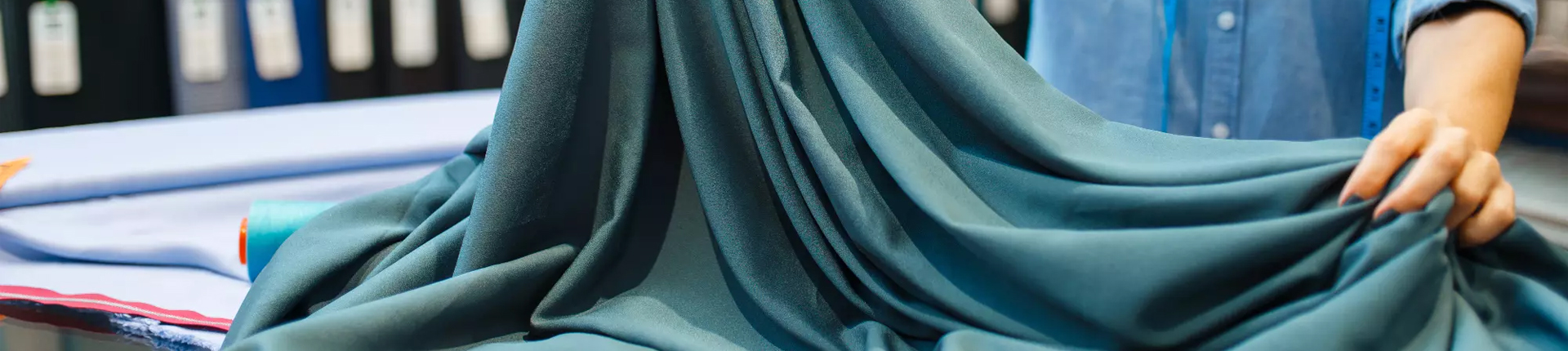
In the international high-end furniture manufacturing and upholstery market, selecting the correct decorative sofa fabrics is a foundational decision that dictates product lifespan, aesthetic value, and client satisfaction. For B2B procurement managers, furniture factory owners, and global distributors, understanding the mechanical and tactile differences between premium textiles is essential.
Among the vast array of decorative options, three distinct fabric families dominate the luxury and performance residential sectors: Velvet, Chenille, and Boucle. Each material possesses unique yarn structures, manufacturing processes, and physical performance limitations. This technical analysis provides an exhaustive engineering and practical comparison of these three decorative upholstery materials to guide volume purchasing and production specifications.
1. Structural Engineering and Manufacturing Methods of Decorative Fabrics
The core performance and visual depth of any decorative sofa fabric depend entirely on how the individual yarns are constructed and woven together. While retail consumers judge these materials by surface feel, commercial manufacturing demands a deeper understanding of the textile loom operations and yarn engineering.
Velvet Fabric Construction
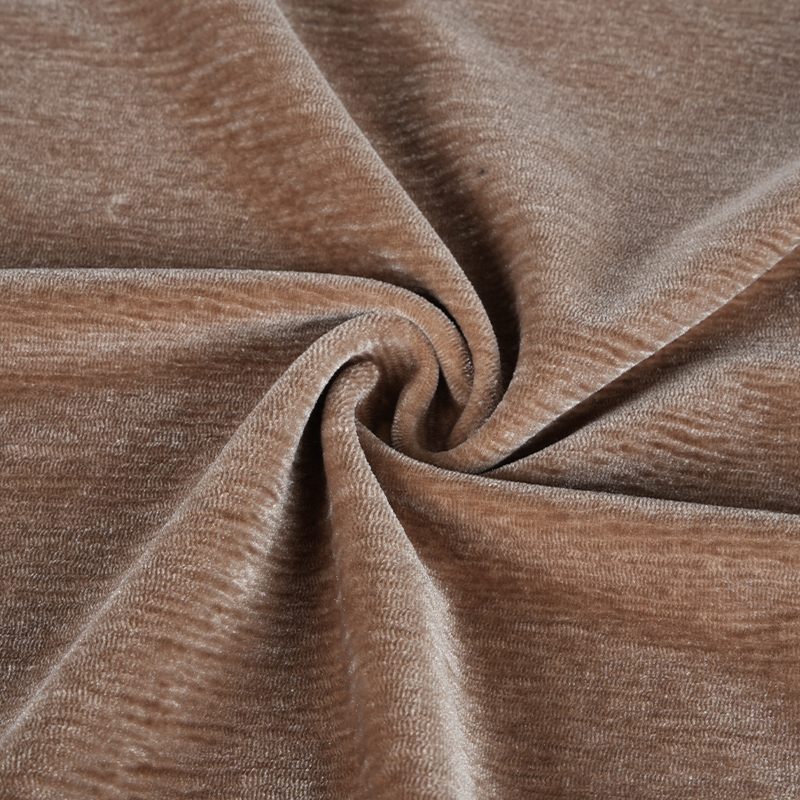
Velvet is characterized by its dense, short, uniform pile. This structure is achieved using a specialized double-cloth loom process. Two independent layers of base fabric are woven simultaneously, one above the other, while a separate set of warp yarns interconnects them. A precise mechanical blade then slices the connecting warp yarns down the exact center as the fabric exits the loom.
This splitting process creates two separate rolls of velvet fabric, each featuring the signature upright vertical pile. The angle of these cut vertical fibers determines how light reflects off the surface, creating what the industry calls a nap or shading effect. Modern commercial velvets utilize high-density polyester multi-filament yarns to ensure the pile remains resilient under heavy compression.
Chenille Fabric Construction
Chenille takes its name from the French word for caterpillar, directly describing the unique structure of the yarn itself. Unlike velvet, where the texture is created by cutting interconnected woven layers, chenille texture is built at the single-yarn level before weaving ever begins.
To manufacture chenille yarn, two short lengths of core pile yarn are placed between two tightly twisted core wrap yarns. As the machine twists the core wrap yarns together, the short pile segments are trapped securely in place, standing perpendicular to the yarn center. This creates a fuzzy, highly dimensional yarn string.
These individual fuzzy yarns are then woven into a standard flat base fabric using traditional dobby or jacquard looms. The resulting fabric features a highly tactile, dimensional surface with short tufts that offer immediate softness.
Boucle Fabric Construction
Boucle is a purely texturized, looped fabric that represents a completely different approach to loom engineering. The name comes from the French word for curled or looped. Boucle fabric relies on the systematic accumulation of looped loops along the surface of the yarn.
A standard boucle yarn requires at least three individual plies: the core yarn, the loop yarn, and the binder yarn. The manufacturing machine feeds the loop yarn at a significantly faster rate than the core yarn, causing the excess material to curl and form tight loops. The binder yarn is then wrapped tightly around the structure to lock those loops permanently into position.
When these texturized yarns are introduced into the weft or warp of a plain or twill weave, they produce an irregular, nubby, multi-layered surface often described as three-dimensional or sculptural.
2. Comprehensive Performance and Technical Specification Comparison
For volume commercial importers and furniture manufacturers, subjective aesthetics must be backed by quantifiable laboratory test data. Upholstery fabrics destined for global markets undergo standardized mechanical testing to guarantee suitability for residential and light contract applications.
The primary benchmark for durability is the Martindale Abrasion Test (predominantly used in European and international markets) and the Wyzenbeek Double Rub Test (predominantly used in North American markets). These tests simulate the repetitive friction of human sitting by rubbing a standard abrasive cloth against the test fabric under specific pressure until yarn breakage occurs.
The following technical matrix details the performance differences across critical physical metrics:
| Technical Performance Metric | Premium Synthetic Velvet | Heavy Duty Chenille | Architectural Boucle |
|---|---|---|---|
| Average Martindale Rating | 40000 to 100000 rubs | 25000 to 50000 rubs | 20000 to 35000 rubs |
| Average Wyzenbeek Rating | 50000 to 100000 double rubs | 30000 to 60000 double rubs | 15000 to 30000 double rubs |
| Tensile Strength (Warp/Weft) | Extremely High | High | Moderate |
| Snagging Resistance Profile | High (No open yarn loops) | Moderate (Prone to sharp object pulls) | Low (Open loop construction) |
| Pilling Tendency (Grade 1 to 5) | Grade 4.5 (Highly resistant) | Grade 3.0 (Moderate risk over time) | Grade 3.5 (Fiber dependent) |
| Seam Slippage Resistance | Excellent due to dense backing | Moderate (Requires interlining) | Variable (Requires heavy backing) |
| Colorfastness to Light | High (When solution-dyed) | High to Moderate | Moderate |
| Primary Base Fabric Backing | Interlocking woven or knit backing | Poly-cotton knit or latex coating | Heavy acrylic stabilization coat |
3. Deep Dive Analysis: Material Strengths and Production Trade-offs
Velvet Upholstery Material
Velvet remains the industry standard for durability in high-end projects. Because it lacks exposed loops or floating horizontal yarns, it is highly resistant to snagging, making it an excellent option for households with domestic pets. Pet claws simply slide across the dense vertical pile without catching the structural yarns.
Furthermore, synthetic velvets demonstrate high tensile strength and seam slippage resistance. When structured correctly with a strong back-coating, the fabric can withstand tight upholstered tailoring around complex geometric furniture frames without tearing or distorting at the stitch lines.
The primary production challenge with velvet is pile bruising or pressure marking. If rolls are stored horizontally without proper suspension boxes, or if finished sofas are packed tightly during ocean freight transit, the vertical pile can flatten. This flattening alters the light reflection, creating localized dark patches that require industrial steaming or specialized brushing to restore.
Chenille Upholstery Material
Chenille strikes a balance between practical everyday comfort and striking visual texture. Its thick, fuzzy yarns fill out the weave density, allowing the fabric to naturally mask underlying structural frames and foam contours.
From an assembly line standpoint, chenille is highly workable. It stretches moderately during upholstery pulling, allowing clean corners and seamless seams on traditional square or rolled-arm sofas. It also resists hard creasing, meaning minor packing folds typically self-correct once the furniture is unpacked in a showroom.
The main trade-off with chenille is its vulnerability to sharp objects. Because the tufted tufts are held in place by twisted core threads, localized friction can pull individual tuft clusters out of the core structure, leading to thread thinning. Additionally, low-cost chenille fabrics featuring high percentages of short-staple natural fibers can experience pilling where loose surface fibers migrate and form small balls in high-wear seat zones.
Boucle Upholstery Material
Boucle represents a premium design choice, highly favored in modern minimalist and Scandinavian furniture styles. Its primary mechanical advantage is its ability to accentuate sculptural, organic, and curved furniture designs. The highly texturized, non-directional appearance of the loops hides seams effortlessly and blends beautifully over complex spherical frames, such as cloud sofas or swivel accent chairs.
However, boucle presents significant challenges during mass production and long-term use. The prominent yarn loops are highly susceptible to snagging from pet claws, clothing zippers, and buttons. Once a loop is pulled out of its binder yarn, it cannot easily be pushed back into the weave, altering the surface uniformity.
Furthermore, because of the open, irregular nature of the loop weave, dirt particles, crumbs, and airborne dust easily drop down into the valleys between the loops. This requires furniture manufacturers to apply robust acrylic or latex backings during the finishing phase to prevent the fabric from stretching out of shape and to block debris from penetrating into the internal foam cushioning.
4. Textile Behavior Analysis Under Varied Lighting Environments
An often-overlooked factor in commercial decorative fabric specification is how a textile interacts with natural and artificial light sources inside commercial showrooms and residential living spaces. The visual identity of a finished sofa can change completely based on the ambient illumination profile.
Velvet Shading Dynamics
Velvet reacts dynamically to light due to its directional pile. When light hits a velvet sofa from an angle that aligns with the nap, the surface takes on a bright, lustrous, almost liquid sheen. Conversely, when viewed against the grain, the fabric absorbs more light, making the color appear deeper, richer, and darker.
This dramatic shift gives velvet furniture a high-end, high-contrast appearance that accentuates deep tufting, Chesterfield folding, and sharp structural edges. However, factories must maintain strict cutting discipline during production: all fabric panels for a single sofa must be cut in the exact same nap direction, or adjacent panels will appear to be completely different colors under showroom lights.
Chenille Soft Diffusion
Chenille scatters light softly across its fuzzy yarn faces. It does not possess the high-contrast directional sheen of velvet, nor does it project the harsh shadows of boucle. Instead, it offers a soft diffusion that softens the overall silhouette of the sofa.
This makes chenille highly reliable for volume internet sales and catalog marketing, as the color photographed under studio strobes will closely match what the end-user sees under residential warm LED bulbs. The highlights are localized and muted, giving the furniture an inviting, cozy feel.
Boucle Shadow Texturing
Boucle relies on directional micro-shadows to reveal its true visual character. Under completely flat, direct overhead lighting, boucle can lose its dimensional appeal and look like a heavy, flat plain weave. However, under natural side-lighting from windows or focused architectural spotlights, each individual yarn loop casts a tiny shadow onto the adjacent base fabric.
This creates a high-contrast texture that makes off-white, cream, and beige boucle fabrics look visually interesting. Furniture manufacturers leverage this trait by pairing boucle with rounded, low-profile minimalist sofas that naturally capture changing light patterns throughout the day.
5. Industrial Maintenance, Cleaning Protocols, and Longevity Metrics
When selling decorative sofas to international markets, durability performance guarantees must account for cleaning ease and fabric maintenance. The longevity of a sofa line directly impacts warranty claim ratios for manufacturers.
Velvet Maintenance Profile
Premium synthetic velvet made from one hundred percent polyester is surprisingly resilient against staining. The high density of the vertical pile acts as a brief physical shield, keeping liquid spills on the surface for several minutes before they sink down into the base weave. This allows users to blot away fresh spills with a clean cloth.
However, dry dust, lint, and loose pet hair easily cling to the vertical fibers due to static electricity. Weekly maintenance requires vacuuming with a soft brush attachment or light lint rolling. If water staining occurs, the pile can flatten permanently unless treated with specialized dry-cleaning solvents.
Chenille Maintenance Profile
Chenille is highly absorbent due to its loosely spun yarn cores. Water-based liquids like coffee, wine, or juice sink rapidly into the twisted core yarns, making untreated chenille prone to deep staining. To prevent high return rates, factories often treat commercial-grade chenille with fluorine-free stain-repellent finishes during the final finishing process.
For routine maintenance, chenille requires gentle vacuuming. Hard friction or abrasive rubbing during spot cleaning must be strictly avoided, as it untwists the core yarn wrap, causing the fuzzy fibers to shed and creating bald spots on the seat surface.
Boucle Maintenance Profile
Boucle is the most labor-intensive material to maintain over a five-year lifecycle. Because the structural loops are open, liquid stains are drawn inward by capillary action, saturating the texturized fibers. Spot cleaning requires a strict vertical blotting protocol; rubbing a stained boucle fabric frays the loop configurations and causes the yarn to look frizzy.
Furthermore, dust and deep-seated dirt particles are difficult to extract with standard household vacuums because they become wedged underneath the overlapping loops. Over extended periods, this trapped particulate matter can act as an abrasive, wearing down the yarn strands from the inside out.
6. Sourcing and Procurement Guidelines for Global Wholesalers
To maximize profitability and reduce quality disputes, international distributors and furniture factories must establish clear testing protocols when ordering decorative sofa fabrics from manufacturing plants.
Verify Fabric Weight and Density
Always request the exact weight specification in grams per square meter (GSM). Low-grade velvets fall below 300 GSM and suffer from premature pile loss. Premium contract-grade velvets should range between 400 GSM and 550 GSM to guarantee an upright pile structure.
For chenille and boucle, ensure the weight is derived from a dense yarn weave rather than an over-application of heavy chemical backing. A high-quality boucle typically requires a weight of 500 GSM to 700 GSM to ensure the loop patterns are thick and structural.
Enforce the Seventy-Thirty Fiber Rule for Blends
While one hundred percent polyester is standard for performance velvets, chenille and boucle often utilize fiber blends to optimize touch and performance.
When sourcing blends, aim for a formulation that features seventy to eighty percent synthetic fibers (such as polyester or acrylic) for core tensile strength and abrasion resistance, mixed with twenty to thirty percent natural fibers (such as cotton, viscose, or linen) to provide breathability and an authentic tactile hand feel. Avoid fabrics with high percentages of low-grade rayon or viscose in high-wear seat areas, as these fibers weaken significantly when exposed to moisture.
Request Certified Back-Coating Compliance
The structural stability of a decorative sofa fabric depends heavily on its invisible back-coating. Ensure the manufacturer uses a uniform application of acrylic stabilization spray or a hot-melt knit backing.
This backing prevents the fabric from over-stretching and sagging after long periods of sitting, ensures high seam pull strength during upholstery manufacturing, and prevents the individual yarns from fraying during the factory cutting process.
7. Factory Inspection and Quality Control Benchmarks
To ensure consistent production standards before shipping containers of decorative sofa fabrics to overseas markets, the following quality check protocols should be enforced at the fabric mill:
- Linear Meter Inspection: Run all fabric rolls through an inspection machine equipped with strong backlighting to identify weaving anomalies, missing loops in boucle, or dropped pile lines in velvet.
- Color Batch Calibration: Utilize an industrial spectrophotometer to check color consistency between different dye batches. The color variance delta value must be strictly controlled to ensure that separate production batches match perfectly.
- Bow and Skew Tolerance: Measure the alignment of the weft yarns relative to the warp edges. For patterned chenilles or linear velvets, the bowing deviation must not exceed two percent of the total fabric width, otherwise the finished sofa lines will appear warped or crooked.
- Roll Packing Standards: Velvet rolls must be packed in suspended roll crates or hard cardboard tube frames to prevent flat spots during ocean transport. Chenille and boucle rolls must be wrapped in dual-layer waterproof polyethylene sheeting to prevent moisture absorption and mildew during international shipping.
Technical Frequently Asked Questions (FAQ)
FAQ 1: Which fabric is best for modern curvilinear or organic-shaped sofas?
Answer: Boucle is the ideal option for curvilinear and organic-shaped furniture. Its highly textured, looped yarn structure lacks a specific directional pattern, allowing the material to wrap smoothly around complex curves and spherical frames without wrinkling or bunching. It easily hides seams along complex curves, creating a clean, architectural finish.
FAQ 2: How can furniture factories prevent velvet pile bruising during long-distance ocean transit?
Answer: Factories must avoid packing velvet rolls horizontally on top of one another. Velvet rolls must be packaged using suspension end-caps inside heavy cardboard boxes, ensuring the fabric surface never makes direct contact with the outer crate walls or other rolls. Additionally, finished velvet sofas must not be stacked tightly under heavy cargo weight inside shipping containers.
FAQ 3: Does chenille fabric suffer from shedding, and how can this risk be minimized?
Answer: Lower-grade chenille fabrics can shed if the core wrap yarns are loosely twisted, allowing the short pile tufts to slip free. To prevent this, commercial buyers should specify high-twist synthetic core chenille yarns that feature a secondary latex lock-backing or an acrylic back-coating. This backing secures the roots of the tuft fibers permanently in place.
FAQ 4: What is the primary cause of fabric sagging on boucle sofas after extended use?
Answer: Fabric sagging happens when a boucle fabric relies on loose yarn loops without a stabilizing back-layer. Because the loop weave is inherently open and flexible, the fabric stretches out under body weight. Specifying a boucle with a high-density backing ensures the textile retains its shape and elasticity over long periods of wear.
FAQ 5: Which of these three decorative fabrics offers the highest fire-retardant performance?
Answer: One hundred percent polyester velvets are inherently easier to treat with fire-retardant chemicals compared to complex fiber blends. They can easily be formulated to pass strict international fire safety regulations, such as British Standard BS5852 Source 0 and 1, or California Technical Bulletin TB117. Boucle and chenille fabrics utilizing mixed natural and synthetic components require specialized back-coating formulations to meet matching commercial fire safety codes.
Reference Materials
- International Organization for Standardization (ISO): ISO 12947-2 Textiles — Determination of the abrasion resistance of fabrics by the Martindale method — Part 2: Determination of specimen breakdown.
- ASTM International: ASTM D4157 Standard Test Method for Abrasion Resistance of Textile Fabrics (Oscillatory Cylinder Method - Wyzenbeek Principle).
- The Textile Institute: Upholstery Fabric Structural Analysis and Manufacturing Technology Monographs.
- British Standards Institution (BSI): BS 5852 Methods of test for assessment of the ignitability of upholstered seating by smouldering and flaming ignition sources.
- Textile Research Journal: Comparative studies on the mechanical properties and pile retention of vertical pile versus twisted loop upholstery textiles under cyclic load conditions.