English
 Español
 عربى
عربى

Direct Answer: The performance of Decorative Upholstery Sofa Fabrics is determined by three measurable factors. First, solution-dyed polyester with a tight jacquard weave (Martindale >40,000) offers the best durability for daily-use sofas. Second, custom colors and patterns are available with minimum orders of 100 yards for color matching or 500 yards for custom weave structures. Third, stain resistance depends on fiber type and finish: olefin inherently repels moisture, while Crypton or Teflon finishes add protection to any fabric. For UV resistance, solution-dyed polyester retains 95% color strength after 500 hours of accelerated testing. Proper cleaning with a pH-neutral foam cleaner every 6–12 months preserves both appearance and warranty.
Fiber Composition and Weaving Technique – How They Shape Durability, Texture, and Colorfastness
The engineering of upholstery fabric starts with fiber selection. Each fiber type delivers specific performance data that directly affects how a sofa survives real-world use. Below is a quantitative comparison based on ASTM and AATCC standards.
| Fiber Type | Abrasion Resistance (Martindale) | UV Colorfastness (AATCC 16, 500 hrs) | Tactile Texture |
|---|---|---|---|
| Solution-Dyed Polyester | 40,000 – 100,000+ cycles | Grade 5 (no noticeable fading) | Crisp, smooth, or engineered textured |
| Olefin (Polypropylene) | 30,000 – 50,000 cycles | Grade 4 (slight change after 500 hrs) | Waxy, low absorbency, quick-drying |
| Nylon (Type 6,6) | 50,000 – 80,000 cycles | Grade 3.5 (requires UV stabilizers) | Very resilient, smooth, springy |
| Cotton (Blended) | 10,000 – 20,000 cycles | Grade 2.5 (poor UV resistance) | Soft, breathable, prone to wrinkling |
| Linen (Flax) | 8,000 – 15,000 cycles | Grade 3 (fades noticeably) | Natural, slubby, crisp hand |
Solution-dyed polyester is the industry standard for high-use residential sofas because the color pigment is locked into the fiber during extrusion. This contrasts with piece-dyed or yarn-dyed methods where color sits on the surface. For weaving techniques: Jacquard weaving creates unlimited pattern complexity (up to 20+ colors in a single fabric) without any printing, meaning patterns never rub off. Velvet weaves (cut pile) provide a plush texture but require a density above 300,000 filaments per square inch to prevent pile crush. Twill and herringbone weaves increase tear strength by 25–35% over plain weave, making them ideal for sofa corners and armrests that experience concentrated stress.
Real-world example: A family with two large dogs chose a solution-dyed polyester jacquard fabric with a tight 2x2 twill structure. After 18 months of daily use, the fabric showed no visible wear, and a coffee spill wiped clean without staining. The same sofa with a cotton blend would have required professional cleaning twice within that period.
Color Range, Pattern Library, and Customization Options – Meeting Design and Branding Needs
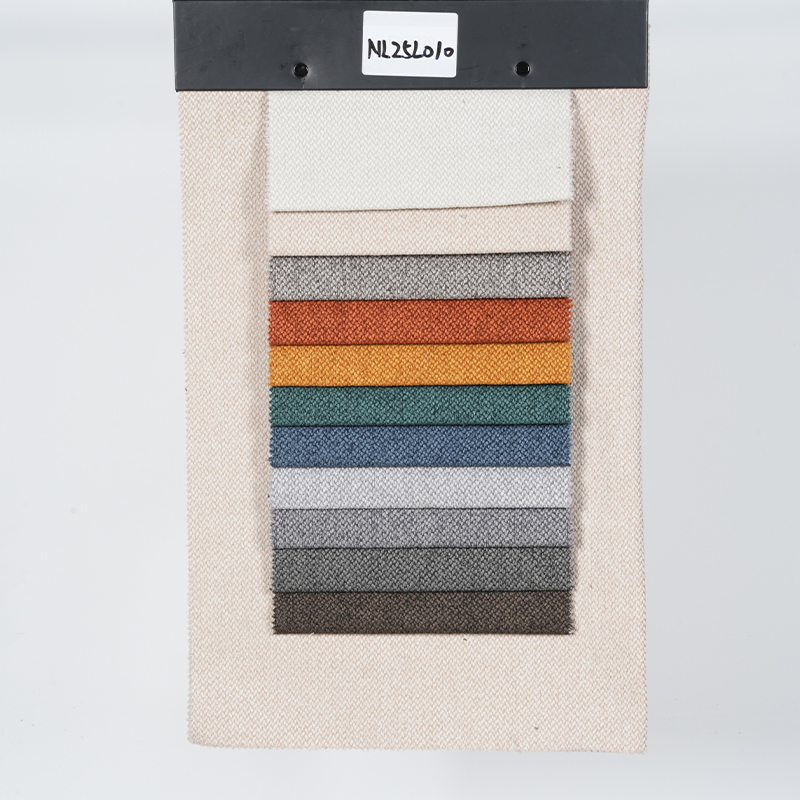
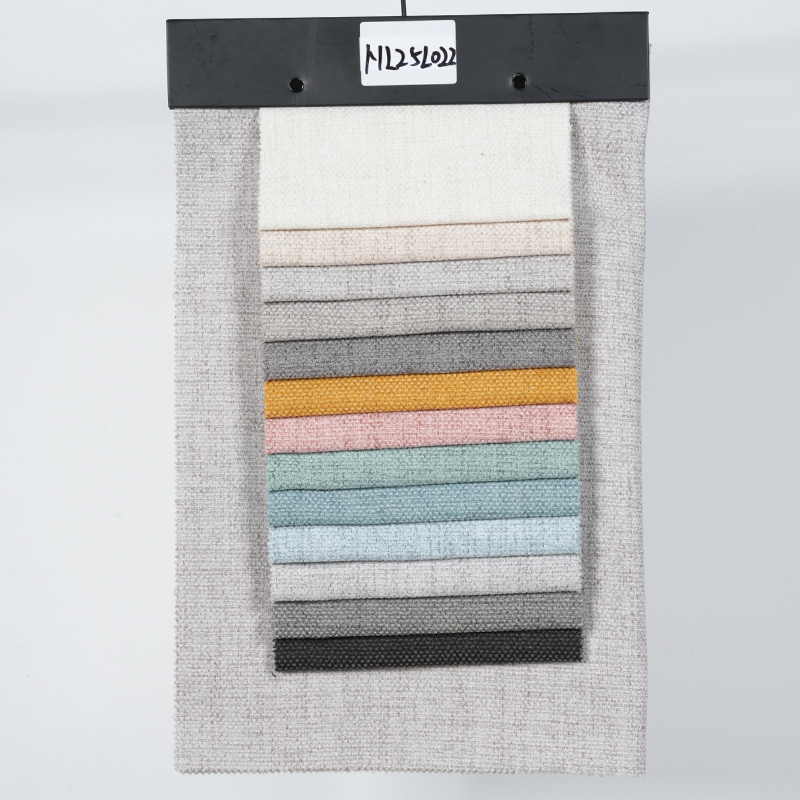
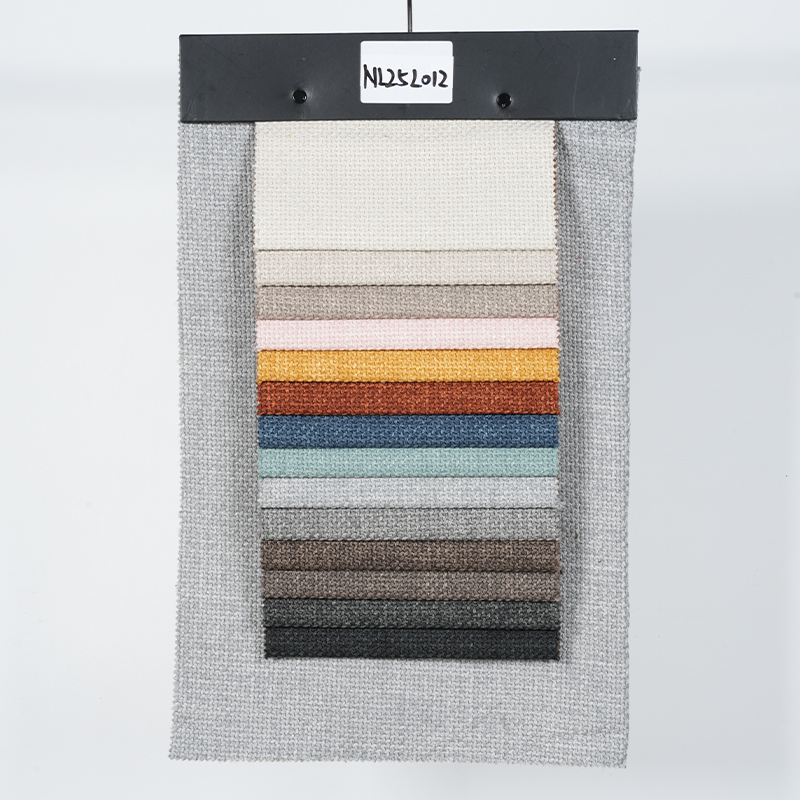
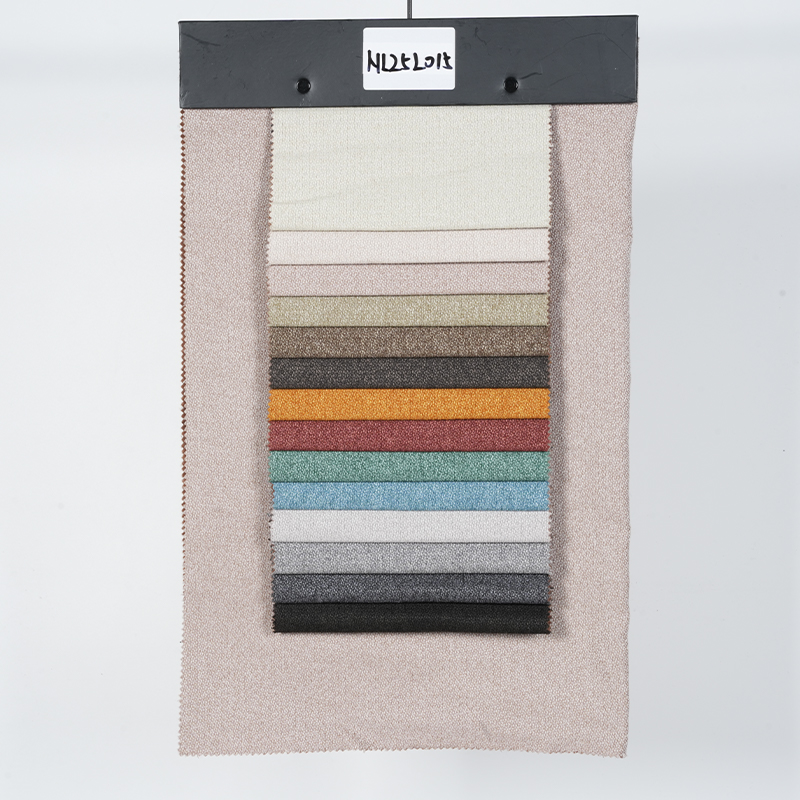
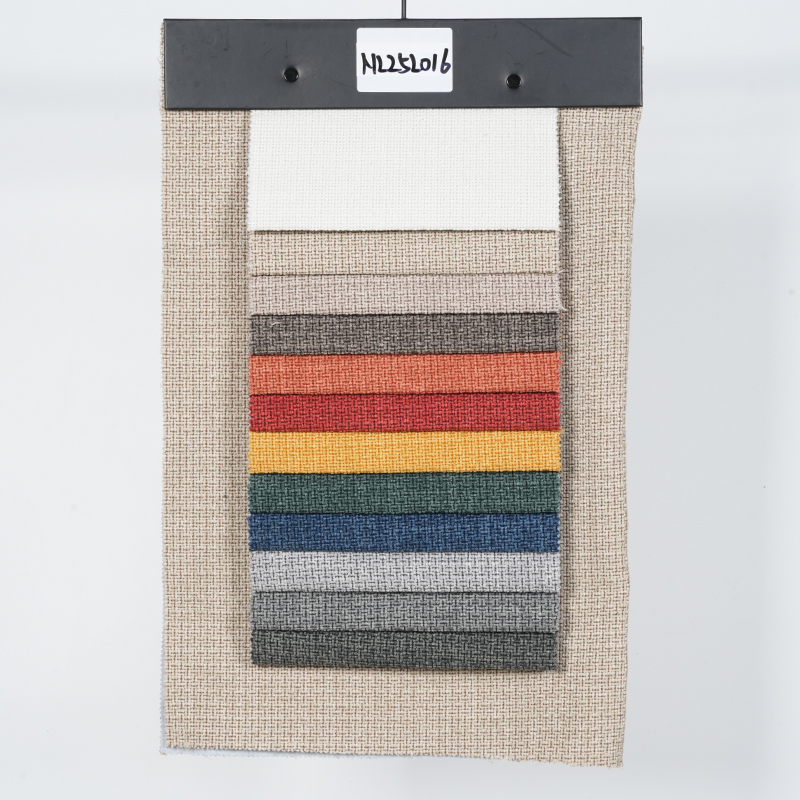
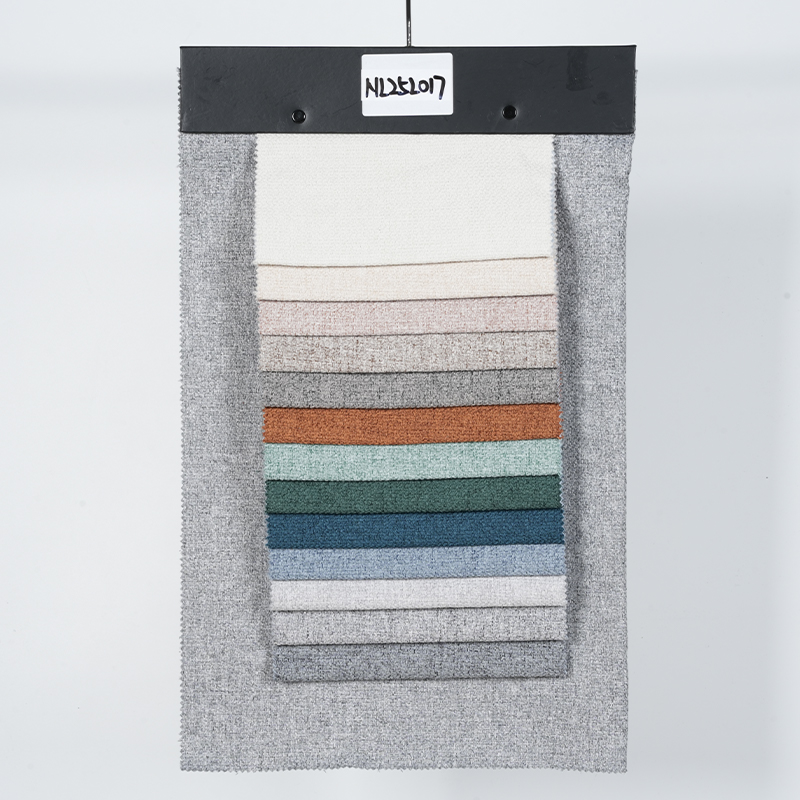
The aesthetic capabilities of Decorative Upholstery Sofa Fabrics extend far beyond off-the-shelf options. Standard collections typically offer 150 to 300 colors organized by trend palettes (neutrals, jewel tones, earth shades, pastels). Patterns include geometric (chevron, lattice, hexagon), organic (floral, leaf, watercolor), and architectural (stripes, wide plaids, textured solids). Texture varieties range from smooth microfiber to chunky bouclé loops to brushed chenille.
A contract furniture manufacturer needed 1,500 sofa sets for a hotel chain, each requiring the chain's exact burgundy color and a custom diamond jacquard pattern. Using solution-dyed polyester with a 52,000 Martindale rating, the project was completed within 10 weeks including color matching, loom setup, and bulk production. The fabric passed both TB 117-2013 flammability and UV fade resistance for floor-to-ceiling window applications.
Resistance Properties and Recommended Maintenance – Stain, Spill, UV, and Cleaning Protocols
Upholstery fabrics face three primary threats: liquid spills, UV degradation, and abrasion from cleaning. Understanding the resistance levels built into each fabric type helps set realistic expectations for longevity.
Stain and Spill Resistance
Inherently stain-resistant fibers: Olefin (polypropylene) absorbs less than 0.1% moisture, meaning liquids bead on the surface. Treated fabrics: Crypton, Sunbrella, and Teflon-coated finishes add repellency to polyester and cotton blends. Testing standard AATCC 130 (oil stain release) rates treated fabrics at 4.5 to 5.0 out of 5. Untreated cotton rates 2.0, requiring immediate blotting.
UV Exposure Resistance
Solution-dyed polyester is the gold standard for high-sun locations. After 1,000 hours in a Xenon arc tester (equivalent to 2-3 years of direct sunlight), color change is less than a Delta E of 2 (barely perceptible). Olefin degrades faster: expect noticeable fading after 500 hours. Nylon without UV inhibitors fails after 300 hours. For rooms with large windows, specify solution-dyed polyester and request AATCC 16 test reports.
Cleaning and Maintenance
Recommended cleaning code for most decorative upholstery fabrics is W (water-based cleaner) or S (solvent only). For solution-dyed polyester, a monthly vacuum with upholstery attachment removes dry soil. For spot cleaning: blot spills immediately with a white cloth, then apply a 1:10 solution of mild dish soap and lukewarm water, blot again, and rinse with a damp cloth. Never rub. For deep cleaning every 6-12 months, use a foam upholstery cleaner or hire a hot water extraction professional. Avoid bleach and high pH cleaners (above 10) as they can degrade finishes.
Example maintenance schedule from a commercial lobby with 20 sofas: vacuuming twice weekly, spot cleaning as needed (average 2 spills per week), and professional hot water extraction every 6 months. After 3 years, the solution-dyed polyester fabric showed no color change, no visible stains, and Martindale wear data indicated 60% of useful life remaining.
| Fiber Type | Water-Based Cleaner (W) | Solvent Cleaner (S) | Vacuum Only (X) |
|---|---|---|---|
| Solution-Dyed Polyester | Yes – preferred | Yes – safe | No – not sufficient |
| Olefin | Yes – excellent | Yes | No |
| Nylon | Yes – with pH-neutral soap | Yes | No |
| Cotton | Yes – risk of water rings | Yes – safer option | No |
| Linen | No – prone to shrinkage | Yes – recommended | No |
Practical Selection Guide – Matching Fabric Properties to Usage Scenarios
Based on the data above, here is a straightforward decision matrix for choosing Decorative Upholstery Sofa Fabrics according to real-world conditions.
Household with children and pets
Recommend solution-dyed polyester or olefin, tight weave (twill or basket weave), stain-repellent finish. Aim for Martindale >40,000. Avoid cotton and linen.
Formal living room or low-use space
Cotton-linen blend or viscose blend acceptable. Martindale 15,000 to 25,000. Patterns can be printed or woven. Velvet textures work well.
Home with large windows or sunroom
Solution-dyed polyester only. Require AATCC 16 test showing grade 4 or 5 after 500 hours. Avoid olefin and all natural fibers.
Contract or hospitality (hotels, offices)
Solution-dyed polyester or nylon. Martindale >50,000. Require flammability certification (CAL TB 117-2013 or NFPA 260). Custom branding integration common.
Final recommendation: Always request physical samples and perform your own abrasion, stain, and UV tests before bulk ordering. A 5-yard sample allows realistic wear simulation. For custom requirements, communicate your specific usage conditions to the fabric supplier to ensure the chosen material matches your durability expectations. The data provided in this guide serves as a baseline for informed decision-making.