English
 Español
 عربى
عربى

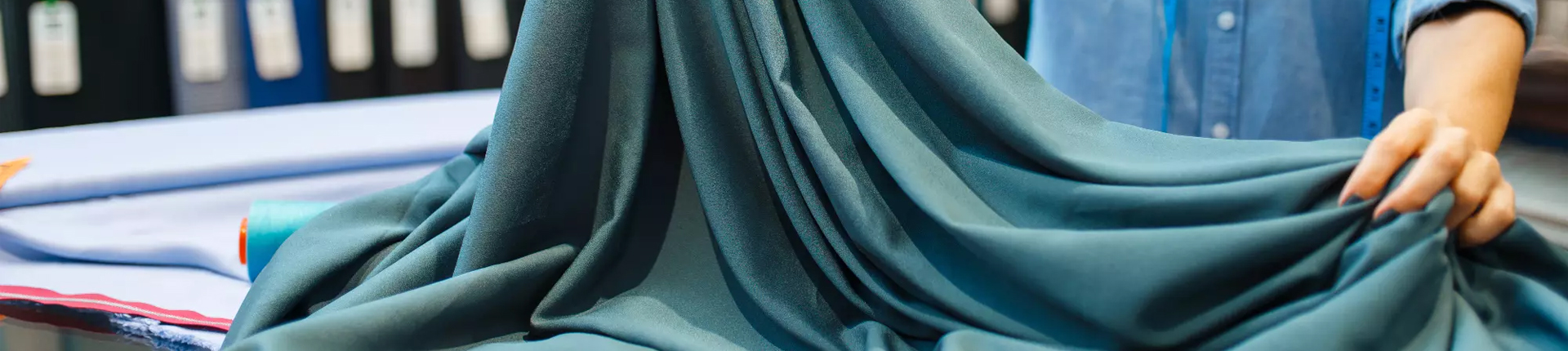
Selecting the correct upholstery material is one of the most critical decisions for furniture manufacturers, hospitality designers, and bulk sourcing procurement managers. The outer fabric of a sofa does not merely serve an aesthetic purpose; it determines the lifespan, safety compliance, maintenance schedule, and structural integrity of the final furniture piece. For international trade partners, understanding the subtle and explicit differences between major categories of sofa fabric is essential to meeting client expectations and reducing post-sale quality disputes.
As a global manufacturing partner, we recognize that different international markets demand distinct performance parameters. A sofa fabric that excels in a high-traffic commercial lounge in Europe might not be suitable for a luxury residential collection in North America or a high-humidity environment in Southeast Asia. This comprehensive technical guide provides an objective, data-driven analysis of the four primary pillars of the modern sofa fabric market: Polyester, Linen, Velvet, and Chenille. By evaluating their material properties, structural weaving methods, and performance metrics, procurement teams can optimize their product development and supply chain choices.
Understanding the Technical Metrics of Upholstery Quality
Before comparing specific textile types, it is necessary to establish the standard technical criteria used internationally to grade sofa fabric performance. Manufacturers rely on objective laboratory tests to quantify durability, color fastness, and structural stability.
Abrasion Resistance and the Rub Test Standards
The longevity of a sofa fabric under mechanical friction is measured primarily by two internationally recognized methodologies: the Martindale Rub Test and the Wyzenbeek Double Rub Test.
- The Martindale Method: Predominantly used in Europe and international markets, this test utilizes a circular mechanism to rub a piece of wool or wire mesh against the target fabric in an oscillating, figure-eight pattern. The total number of complete cycles, or rubs, completed before the yarn breaks determines the score.
- The Wyzenbeek Method: Primarily utilized in the North American market, this method rubs a piece of cotton duck fabric or wire mesh back and forth along the warp and weft directions of the sample fabric. Each back-and-forth motion is counted as one double rub.
Fabric Weight and Weave Density
Fabric weight is typically expressed in Grams per Square Meter (GSM) or Ounces per Square Yard (OZ/YD). For professional sofa production, lightweight apparel fabrics are wholly inadequate. High-quality sofa fabrics generally range from 300 GSM to over 600 GSM. A higher GSM value often indicates a denser weave structure, thicker yarn fibers, or the inclusion of heavy-duty backing materials that prevent fabric stretching, seam slippage, and premature wear.
Pilling Resistance Ratings
Pilling occurs when loose fibers on the surface of a textile frictionally entangle into small, unsightly spheres or pills. The international standard for testing pilling resistance is graded on a scale from 1 to 5, where Grade 5 represents no visible surface change and Grade 1 represents severe surface fuzzing and knotting. Furniture manufacturers generally require main sofa coverings to score a minimum of Grade 4 for premium product lines.
Polyester Sofa Fabric: The High-Performance Engineering Standard
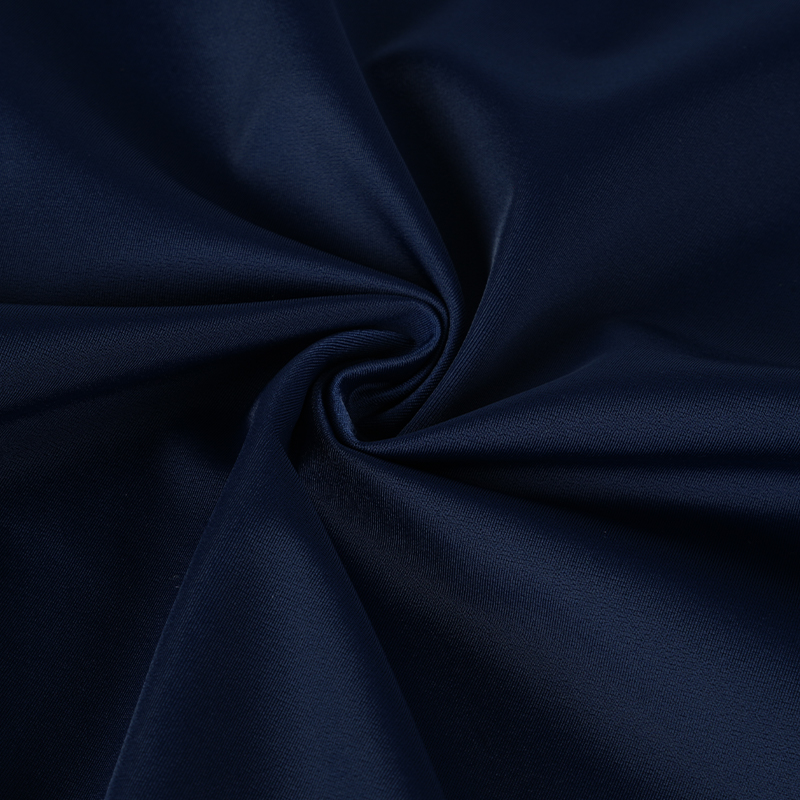
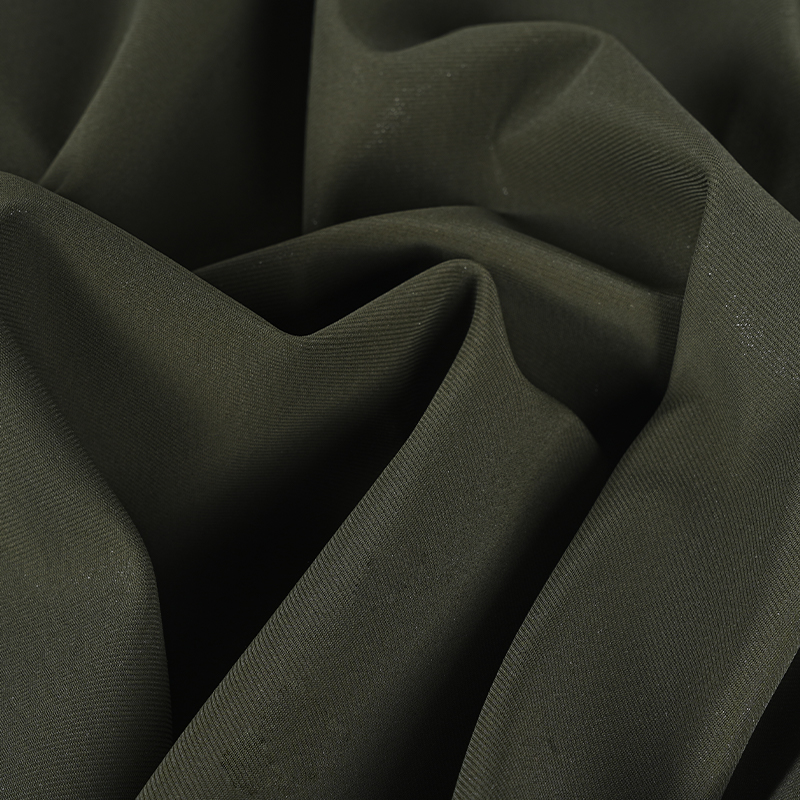
Polyester, a synthetic polymer made from polyethylene terephthalate, has become the foundational workhorse of the global furniture manufacturing industry. Through advanced texturing and extrusion techniques, modern chemical fiber mills can manipulate polyester filaments to replicate the visual textures of natural linen, the plush feel of velvet, or the chunky surface of chenille, while retaining superior structural resilience.
Structural Integrity and Dimensional Stability
One of the primary reasons factory production lines favor polyester is its remarkable dimensional stability. The synthetic fibers possess high tensile strength and elasticity, meaning they resist stretching, sagging, and warping even after prolonged weight load stress. During the upholstery wrapping process, polyester cuts cleanly and handles automated tension machinery without tearing, allowing for crisp lines on minimalist, modern sofa designs.
Chemical Resistance and Low Moisture Absorption
Polyester is inherently hydrophobic, meaning it absorbs very little ambient moisture. This low moisture regain coefficient prevents water-based liquids from immediately penetrating into the core yarn fibers. Consequently, water-borne stains remain on the surface longer, allowing factory-applied stain-repellent finishes or end-user cleaning solutions to lift the discoloration with minimal residual shadow. Furthermore, polyester is highly resistant to color fading caused by ultraviolet light exposure, making it an ideal choice for large living spaces with direct sunlight exposure.
Linen Sofa Fabric: The Elegant and Breathable Natural Luxury
Linen is an organic textile woven from the natural cellulose fibers extracted from the stalks of the flax plant. Within the high-end furniture market, linen represents premium sophistication, casual luxury, and classic organic aesthetics. It possesses a distinctively irregular surface characterized by natural slubs, which gives it a unique texture that synthetic fibers struggle to perfectly match.
Exceptional Breathability and Thermal Comfort
Linen fibers possess a highly crystalline molecular structure, which facilitates exceptional thermal conductivity and air permeability. In hot or humid climates, linen allows heat to dissipate rapidly away from the human body, preventing that sticky, uncomfortably warm sensation often associated with low-quality synthetic coverings. This natural thermal regulation makes linen-upholstered sofas a popular option for coastal resorts, premium residential estates, and summer furniture collections.
Tensile Strength vs Elastic Recovery
Flax is one of the strongest natural vegetable fibers known, boasting a tensile strength significantly higher than cotton. However, linen possesses almost no elastic recovery. Because the individual cellulose molecules are tightly arranged in parallel chains, the fiber lacks the flexibility to bend and spring back. This lack of elasticity creates the signature creasing and wrinkling that defines authentic linen furniture. While some consumers view this relaxed, rumpled look as a sign of organic luxury, high-volume production facilities often utilize linen-polyester blends to mitigate wrinkling while preserving the classic linen texture.
Velvet Sofa Fabric: The Rich Pile of Opulent Sophistication
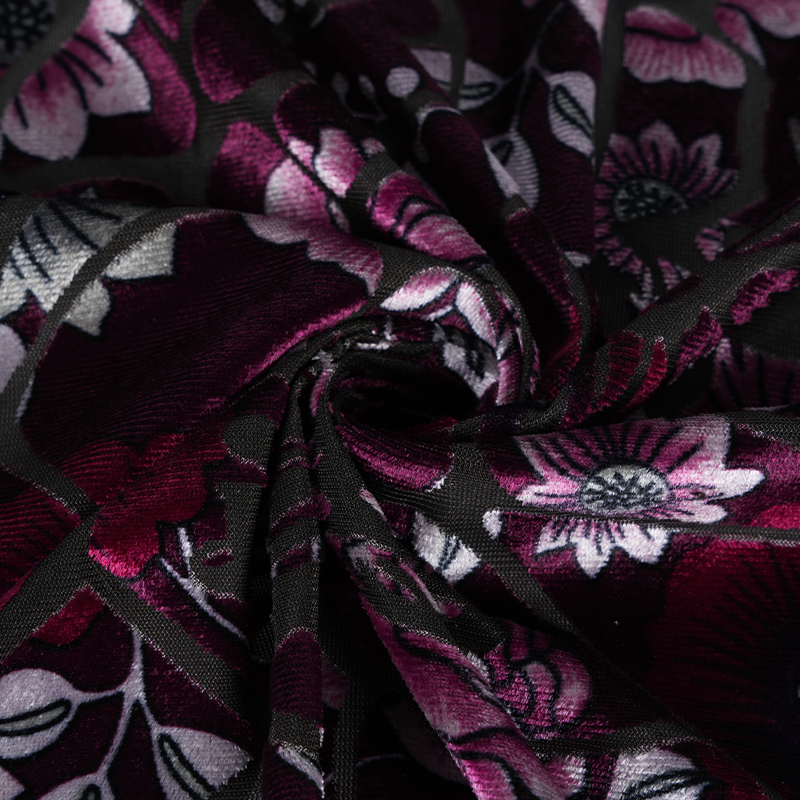
Velvet is not defined by its raw material composition, but rather by its unique weave structure. It is produced on a specialized double-cloth loom that simultaneously weaves two layers of fabric joined together by a system of vertical warp pile yarns. The two layers are then cut apart by a sharp blade moving horizontally across the loom, creating the characteristic dense, upright pile that provides velvet with its signature plush softness and light-reflective luster.
The Science of Pile Shading and Nap Direction
Velvet exhibits a visual phenomenon known as pile shading or nap direction. Because the cut yarns stand vertically, they absorb and reflect light differently depending on the angle at which they are pushed. When a user runs their hand across a velvet sofa, the fabric shifts between bright, vibrant tones and deep, shadowy hues. During the factory manufacturing process, pattern cutters must be extremely careful to ensure that all pieces of fabric for a single sofa are cut in the exact same nap direction. If one cushion is cut upside down relative to the backrest, the sofa will appear to have two completely different colors under uniform room lighting.
Scratch Resistance and Pet Compatibility
A unique technical benefit of high-density woven velvet is its resilience against pet damage, specifically cat and dog claws. Because velvet consists of a cut pile rather than an interconnected series of exposed woven loops, there are no loose horizontal or vertical yarns for an animal’s claw to hook into and pull out. Claws simply slide off the smooth, dense surface. Consequently, for furniture brands marketing towards pet-owning households, high-weight synthetic velvet represents an exceptional intersection of luxury aesthetics and functional durability.
Chenille Sofa Fabric: The Chunky, Tufted Tactile Experience
Chenille derives its name from the French word for caterpillar, which directly describes the fuzzy, caterpillar-like yarn used to create the textile. Chenille yarn is manufactured by placing short lengths of core yarn together and twisting them tightly. This process traps short, cut fiber tufts perpendicularly between the core threads. When this multi-ply textured yarn is woven into a final fabric matrix, it creates a voluminous, three-dimensional surface that offers immense tactile comfort.
Extreme Softness and Volumetric Depth
Chenille is highly valued by interior designers for its ability to create cozy, warm, and inviting environments. Because the cut tufts stand out in multiple directions from the core yarn twist, chenille absorbs light deeply, casting soft shadows across the tufted contours of transitional or traditional roll-arm sofas. The extra thickness of chenille yarn also means that even a basic plain weave can produce a high-weight, substantial fabric that yields an exceptionally soft sitting experience without requiring elaborate embroidery or jacquard patterns.
Vulnerability to Snagging and Fiber Shedding
The primary drawback of chenille stems directly from its yarn construction method. Because the short, decorative tuft fibers are held in place solely by the pressure of the twisted core yarns, intense friction can cause these tufts to work loose and pull out, leading to bald spots over decades of continuous use. Furthermore, the looping nature of the secondary weave pattern makes chenille susceptible to snagging from sharp objects, belt buckles, or pet claws. Once a loop is pulled out of a chenille yarn core, repairing the structural line requires professional restoration.
Side-by-Side Comprehensive Comparative Matrix
To provide procurement officers with clear decision-making clarity, the following analytical matrix summarizes the technical properties, advantages, limitations, and prime application sectors for each of the four main sofa fabrics discussed.
| Fabric Category | Core Structural Composition | Primary Physical Advantage | Main Technical Drawback | Recommended Sourcing Sector |
|---|---|---|---|---|
| Polyester | 100 percent Synthetic Polymer Filaments | Exceptional abrasion resistance, stain resistance, and color retention | Lower natural breathability, prone to static electricity build up | High-traffic residential furniture, commercial offices, rental property staging |
| Linen | 100 percent Natural Flax Cellulose Fibers | High premium status, excellent thermal comfort, organic matte texture | High tendency to wrinkle, highly absorbent to liquid stains | High-end luxury residential, boutique hotels, premium coastal accent pieces |
| Velvet | Dense Double-Cloth Cut Warp Pile (Poly/Cotton mix) | Luxurious luster, smooth texture, excellent pet claw resistance | Shows pile crushing and shading markings, attracts dust and lint | Formal living spaces, classic traditional furniture lines, luxury lounges |
| Chenille | Twisted Core Yarn with Perpendicular Fiber Tufts | Volumetric depth, thick cozy feel, comfortable cushioning surface | Prone to loop snagging, potential fiber shedding under heavy friction | Transitional family room seating, heavy winter collections, soft casual armchairs |
Manufacturing Selection Guidelines: Matching Fabric to Target Markets
When engineering a furniture collection for international export, selecting a fabric should be dictated by a balance between target retail pricing, expected environment, and final usage density.
Crucial Considerations for High-Traffic Commercial Spaces
For commercial applications such as airport lounges, corporate offices, public reception zones, and high-turnover restaurant environments, durability must supersede all other design characteristics. In these environments, any fabric with a Martindale rub count below 40,000 cycles will face premature failure.
Polyester options with thick knit backings stand out as the industrial choice for commercial spaces. They withstand industrial cleaning solvents, hold up under constant friction, and resist the abrasive wear caused by heavy uniform materials and metal accessories.
Critical Material Factors for Residential Comfort Collections
For domestic living spaces, comfort, maintenance simplicity, and tactile safety take precedence. While pure polyester provides the easiest cleaning routine for busy families with children, combining synthetic fibers with natural materials can achieve superior product differentiation.
Engineered blends, such as an eighty percent polyester and twenty percent linen composition, allow furniture brands to market the organic look and cool breathability of authentic flax while relying on the synthetic mesh backbone to prevent excessive wrinkling and provide excellent tear strength.
Environmental and Regional Climate Adaptations
Exporters must consider the final geographic destination of their container shipments. Sofas bound for humid tropical markets should avoid thick, dense velvets or non-breathable synthetics that trap heat, as this leads to discomfort and potential mold development within the foam cushion cores if humidity levels remain high. Conversely, exports destined for colder northern climates benefit from the insulating, warm pile properties of heavy velvet and plush chenille coverings, which enhance the cozy appeal of the retail showroom presentation.
Advanced Quality Control and Preservation Procedures in Factory Environments
Maintaining pristine fabric quality during bulk container shipping requires meticulous factory protocols. Even the highest-grade textile can suffer degraded performance if stored or handled improperly during production.
Preventing Industrial Contamination During Assembly
During the cutting and sewing stages, separate production areas must be maintained for deep-dyed velvets and light-colored natural linens. Airborn lint from chenille yarn processing can easily embed itself into the pile of adjoining velvet rolls, causing visual cross-contamination. Workers should utilize specialized lint-free gloves when stretching premium light-colored fabrics over foam assemblies to prevent natural skin oils and factory machine lubricants from transferring onto the finished surface.
Protection Methods for Transoceanic Container Transit
Sofa exports packed into international shipping containers are frequently subjected to drastic temperature fluctuations and high humidity shifts during maritime travel across ocean lanes. To prevent mildew formation and fabric odor development, all furniture items must be fully dried before packing.
Each upholstered piece should be wrapped in breathable protective non-woven membranes combined with industrial-strength moisture desiccant packets placed strategically inside the final plastic outer layer. This ensures that when the container is opened at the destination wholesale warehouse, the fabric retains its factory-fresh texture, crisp coloring, and specified structural strength.
Frequently Asked Questions (FAQ)
1. What are the key differences between the Martindale and Wyzenbeek rub tests when ordering sofa fabrics?
The Martindale test is an international standard that uses an oscillating figure-eight motion with a wool fabric or wire cloth to measure wear, favored in Europe and Asia. The Wyzenbeek test is primarily a North American standard that uses a straight back-and-forth rubbing motion against a piece of cotton duck canvas or wire mesh. Because the mechanical paths are entirely different, a score of 30,000 rubs on a Martindale machine does not directly translate to 30,000 double rubs on a Wyzenbeek machine. Buyers should specify the exact test standard required by their domestic regulatory market.
2. Why do some velvet sofa fabrics appear to change color when viewed from different angles?
This visual shifting is an inherent physical property of cut-pile textiles known as shading or pile nap direction. Velvet is constructed with vertical yarns that stand upright. When light strikes these vertical strands directly, it is absorbed and reflected differently depending on whether the pile is brushed smooth or pushed against its natural orientation. This creates a luxurious interplay of highlights and shadows, which is a signature characteristic of fine velvet furniture.
3. Can natural linen sofa fabric handle high-traffic family environments?
Pure one hundred percent natural linen is generally not recommended for high-traffic family spaces with young children or active pets. While flax fibers have high tensile strength, linen lacks elastic recovery, making it prone to deep wrinkling and shifting. It is also highly absorbent to water-based liquid stains. For high-use family rooms, a linen-polyester blend or a synthetic performance fabric that mimics the appearance of linen is a much more practical choice.
4. What causes pilling on chenille sofa fabrics, and how can factory production prevent it?
Pilling on chenille occurs when the short, decorative tuft fibers escape from the twisted core yarns due to surface friction and entangle with one another. Factory production lines can minimize this issue by sourcing chenille yarns that have a higher twist ratio or a stronger binding weave structure. Additionally, selecting chenille variants that utilize long-staple synthetic filaments rather than short-staple waste fibers significantly reduces the liberation of loose fuzzy strands.
5. What do the upholstery cleaning codes W, S, W/S, and X mean for furniture maintenance?
These industry-standard cleaning codes dictate how a sofa fabric should be cleaned to avoid fiber shrinkage, color bleeding, or ring stains:
- Code W: Denotes that water-based cleaning agents and foams can be safely used to spot clean the fabric.
- Code S: Indicates the material must be cleaned strictly with water-free dry-cleaning solvents.
- Code W/S: Allows for the use of either water-based cleaners or specialized dry-cleaning solvents.
- Code X: Reserved for highly delicate specialty fabrics that must only be cleaned by gentle vacuuming or brushing, with no liquids allowed.
References
- The International Organization for Standardization (ISO): ISO 12947-2 Textiles — Determination of the abrasion resistance of fabrics by the Martindale method — Part 2: Determination of specimen breakdown.
- ASTM International Standards Association: ASTM D4157 Standard Test Method for Abrasion Resistance of Textile Fabrics (Oscillatory Cylinder Method/Wyzenbeek).
- The Textile Institute International Journal: Analysis of Pile Stability and Structural Mechanics of Cut-Pile Velvet and Chenille Upholstery Weaves under Repeated Cyclic Friction.
- The Council of International Furniture Manufacturing Associations: Material Selection Manual for Commercial and Domestic Seating Structures: Synthetic Polymers vs. Natural Plant Cellulose Fibers.
- The International Association for Textile Care Labelling (GINETEX): Standardized Fabric Maintenance Guidelines and Fabric Cleaning Code Classifications for Upholstered Structural Furniture.