English
 Español
 عربى
عربى

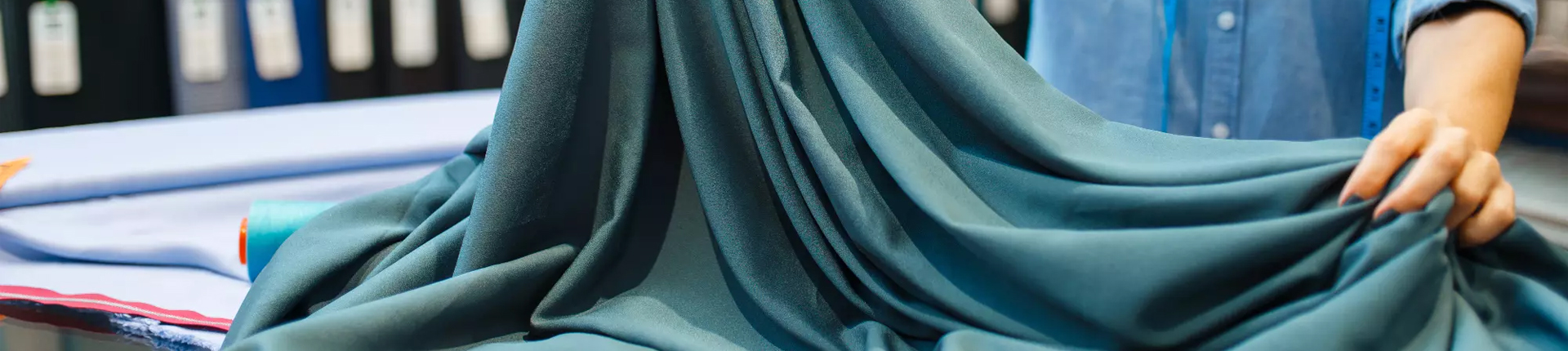
Choosing the right outdoor fabric is critical for ensuring the longevity, comfort, and aesthetic appeal of any product exposed to the elements. This comprehensive guide delves into the essential properties, material types, and finishing processes that define quality outdoor textiles. We will explore specific applications and provide actionable insights to help you make an informed decision for your next project, whether it involves patio furniture, protective gear, or stylish outdoor curtains.
Understanding the Core Properties of Durable Outdoor Fabric
Not all fabrics are created equal for exterior use. True outdoor fabric must possess a combination of inherent qualities to withstand environmental stress.
Essential Characteristics for Longevity
Water Resistance and Mold Prevention
- Water-Repellent Finishes: Fabrics are often treated with durable water repellent (DWR) coatings that cause water to bead up and roll off.
- Inherent Fiber Properties: Synthetic fibers like polyester are naturally hydrophobic, providing a solid foundation for water resistance.
- Mold & Mildew Resistance: Solutions and inherent treatments inhibit the growth of mold and mildew, which is crucial for waterproof fabric for outdoor cushions that remain in damp conditions.
For instance, a standard interior fabric will quickly absorb moisture and promote mold growth, whereas a high-performance outdoor fabric with proper treatment will shed water and stay dry, significantly extending the product's life.
UV Resistance and Colorfastness
- UV Stabilizers: Added during the fiber production or dyeing process to absorb and reflect harmful ultraviolet rays.
- Solution-Dyed Fibers: Pigment is incorporated into the fiber before it is extruded, resulting in exceptional fade resistance. This is a key feature in best fabric for outdoor furniture UV resistant selections.
- Colorfastness Testing: High-quality fabrics undergo extensive testing (like AATCC standards) to ensure colors do not bleed or fade prematurely.
Breathability vs. Waterproofing: Finding the Balance
This is a fundamental trade-off in outdoor textiles. A fully waterproof laminate may trap moisture and heat underneath, while a highly breathable mesh offers little weather protection. The optimal choice depends on the end use:
| Fabric Focus | Breathability Level | Water Resistance Level | Ideal Application |
|---|---|---|---|
| Maximum Weather Protection | Low | Very High | Boat covers, heavy-duty tarps |
| Balanced Performance | Medium | High | Outdoor furniture cushions, patio umbrellas |
| Maximum Ventilation | Very High | Low to Medium | Shade sails, canopy sides, breathable fabric for patio umbrella projects |
Exploring Common Types of Outdoor Fabric Materials
The base fiber determines many of a fabric's core attributes. Here’s a comparison of the most prevalent materials.
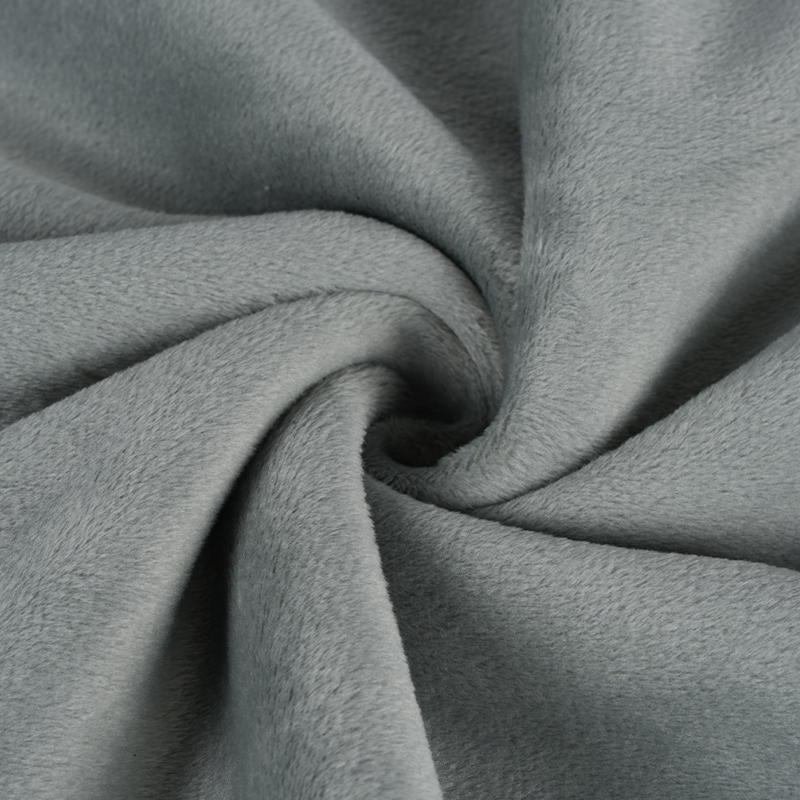
Polyester: The All-Round Champion
- Strengths: Excellent strength, inherent quick-drying properties, superior UV and mildew resistance, and cost-effectiveness. It accepts various coatings and laminates well.
- Considerations: Can be less breathable than natural fibers unless specifically engineered.
- Best For: The vast majority of outdoor applications, including furniture, cushions, and durable outdoor fabric for awnings.
Acrylic: The Fade-Resistant Alternative
- Strengths: Often compared to wool for its soft hand feel, exceptional color vibrancy, and outstanding fade resistance. It is also moisture-wicking and breathable.
- Considerations: Generally less durable and abrasion-resistant than high-grade polyester.
- Best For: Outdoor throw pillows, higher-end furniture covers where a rich, cotton-like look is desired.
Vinyl (PVC) and Mesh Fabrics
- Vinyl-Coated Polyester: Offers complete waterproofing and easy cleaning, ideal for convertible tops and outdoor tablecloths. However, it lacks breathability.
- Polyester Mesh: Defined by its open weave, providing maximum airflow and shade. It is the primary choice for a breathable fabric for patio umbrella or screening.
The choice between a solution-dyed polyester and a spun acrylic often comes down to the priority of absolute durability versus a premium natural feel. Polyester typically offers longer-lasting strength, while acrylic provides a more luxurious aesthetic that is still highly weather-resistant.
Specialized Applications and Fabric Considerations
Different outdoor uses demand specific fabric performances.
Fabrics for Outdoor Furniture and Cushions
This category requires a blend of durability, comfort, and style. Look for fabrics labeled as all-weather or marine-grade. For cushions, a waterproof fabric for outdoor cushions often involves a laminated backing on a durable face fabric, preventing water from seeping into the filling. The face fabric should be:
- Abrasion-resistant (high rub count, e.g., 30,000+ double rubs).
- Easy to clean with mild soap and water.
- UV-stabilized to prevent fading, making it a candidate for the best fabric for outdoor furniture UV resistant category.
Fabrics for Awnings, Shades, and Umbrellas
These fabrics are under constant tension and sun exposure. They need exceptional tensile strength and UV resistance. A durable outdoor fabric for awnings is often a tightly woven, solution-dyed polyester with a protective acrylic or PVDF coating (e.g., Tedlar®). For umbrellas, breathability is key to prevent wind catching; hence, a breathable fabric for patio umbrella like a polyester mesh or a specially engineered vented fabric is ideal.
Fabrics for Outdoor Curtains and Drapery
Outdoor curtains add privacy and soften spaces. They need to drape elegantly while resisting mildew and sun damage. Here, aesthetics play a larger role. Textured weaves, linen-look blends, and lighter weights are popular. The fabric must still pass the test for outdoor curtain fabric that blocks sun effectively, which depends on the weave density and potential acrylic backing.
A tightly woven blackout fabric for an awning will block nearly all sunlight, whereas a sheer polyester curtain will only provide diffused shade and minimal UV blockage. The former is designed for maximum sun protection, while the latter prioritizes ambiance and view preservation.
Advanced Finishes and Manufacturing Processes
The raw fabric is just the beginning. Advanced treatments and processes elevate performance and functionality.
Protective Coatings and Laminates
- Acrylic & PVDF Coatings: Provide enhanced water repellency, soil release, and UV protection.
- PU (Polyurethane) Laminate: Creates a fully waterproof barrier, often used on the back of waterproof fabric for outdoor cushions.
- Fluorochemical Treatments: Offer superior stain and oil resistance.
The Role of Fabric Composites
Fabric composite technology bonds two or more layers of material to create a superior product. Haining Yuqi Textile Co., Ltd. utilizes this expertise with various composite machines (water glue, hot melt glue, oil glue) to combine fabrics, foams, and leathers. This process can:
- Add thermal insulation or extra cushioning.
- Create a waterproof/breathable barrier.
- Enhance structural integrity and drape.
Value-Added Processes: Perforation and Laser Cutting
Technologies like punching and laser cutting allow for precise fabrication and decorative effects. Haining Yuqi Textile Co., Ltd. employs these for:
- Functional Perforation: Creating ventilation holes in otherwise solid fabrics, enhancing breathability.
- Decorative Patterns: Intricate designs on fabrics and leathers for aesthetic appeal.
- Precision Cutting: Ensuring clean, sealed edges for complex product assemblies.
Sustainability and Certifications in Outdoor Fabric
The modern market increasingly values environmentally responsible production.
Understanding Key Certifications
- GRS (Global Recycled Standard): Verifies the use of recycled content and tracks it through the supply chain. This is crucial for recycled outdoor fabric options.
- OEKO-TEX® STANDARD 100: Independently tests fabrics for harmful substances, ensuring they are safe for human health.
- SLCP (Social & Labor Convergence Project): Focuses on assessing and improving social and labor conditions in manufacturing facilities.
Companies like Haining Yuqi Textile Co., Ltd., which hold GRS, OEKO-TEX 100, and SLCP certificates, demonstrate a commitment to verified recycled content, product safety, and ethical manufacturing practices. This provides crucial transparency for brands and consumers [1].
FAQs About Outdoor Fabric
1. What is the most durable type of outdoor fabric?
Solution-dyed, high-tenacity polyester fabrics generally offer the best overall durability. They excel in tensile and tear strength, UV resistance, colorfastness, and mildew resistance, making them suitable for demanding applications like awnings and boat covers.
2. How can I tell if a fabric is truly waterproof?
Check the fabric's technical specifications for a hydrostatic head rating (measured in mm). A rating of 1500mm or higher indicates good waterproofness for general outdoor use. For prolonged exposure, look for ratings above 3000mm or the term "waterproof laminate."
3. Is breathable outdoor fabric also water-resistant?
Yes, many modern technical fabrics achieve both through microporous membranes (e.g., ePTFE) or densely woven structures. These allow water vapor (perspiration) to escape while preventing liquid water droplets from penetrating.
4. How important are fabric certifications like OEKO-TEX?
Extremely important for health and environmental assurance. OEKO-TEX Standard 100 guarantees the fabric is free from levels of harmful substances known to be risky for humans. GRS certification provides confidence in the recycled content claims of a recycled outdoor fabric [1].
5. Can outdoor fabric be recycled?
Yes, but the process is complex. The growing availability of recycled outdoor fabric made from post-consumer PET bottles is a positive step. Choosing fabrics with GRS certification and supporting manufacturers with end-of-life take-back programs are the best ways to promote circularity.
Conclusion
Selecting the ideal outdoor fabric involves a careful balance of performance properties, material science, and intended application. From the robust, UV-fighting qualities needed for the best fabric for outdoor furniture to the specialized breathability required for a patio umbrella, each choice impacts longevity and user experience. By understanding the roles of base fibers, protective finishes, composites, and the importance of third-party certifications, specifiers and brands can make confident, informed decisions. Partnering with a technically proficient manufacturer like Haining Yuqi Textile Co., Ltd., which integrates advanced production capabilities with a commitment to certified, sustainable practices, is a strategic step toward creating high-quality, durable outdoor products.
References
[1] Textile Exchange. (2023). *Global Recycled Standard (GRS)* and *OEKO-TEX® STANDARD 100*. Retrieved from https://textileexchange.org/ and https://www.oeko-tex.com/. (Note: These references are exemplary. For a professional article, you would cite the specific documentation or published standards from these organizations).