English
 Español
 عربى
عربى

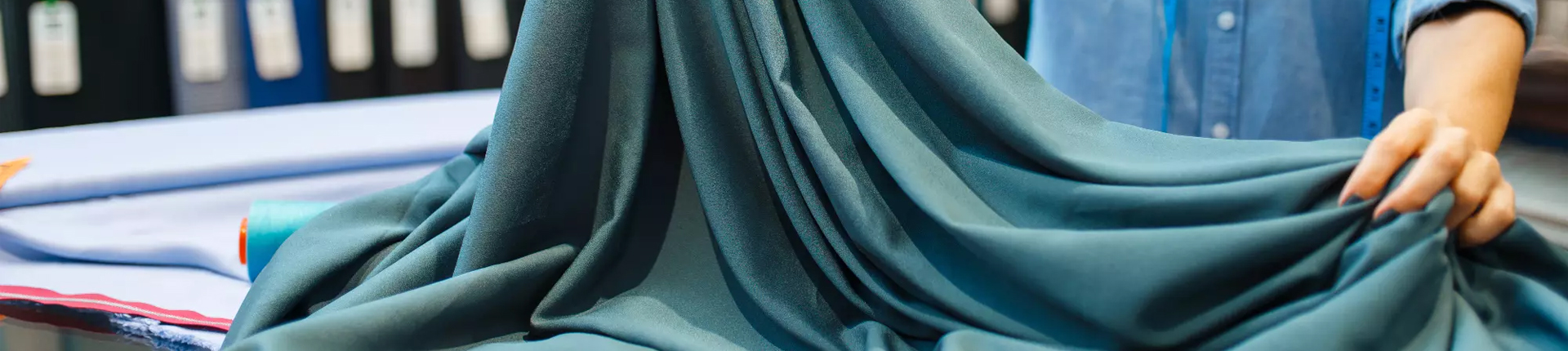
Selecting the ideal curtain fabric is a crucial decision that impacts not only the aesthetics of a room but also its functionality, light control, and overall ambiance. The right fabric can transform a space, providing privacy, enhancing insulation, and tying your decor together. With an overwhelming array of materials, weaves, and finishes available, navigating the world of drapery textiles can be challenging. This comprehensive guide, informed by industry expertise and textile science, will delve into the key properties of popular curtain fabrics, empowering you to make an informed choice for every window in your home.
Understanding Key Properties of Curtain Fabrics
Before exploring specific fabric types, it's essential to understand the characteristics that define a curtain's performance and appearance. These properties will guide your selection based on your specific needs.
Light Control and Privacy
- Sheer Fabrics: Allow abundant natural light to filter through while offering a degree of daytime privacy.
- Light-Filtering Fabrics: Soften and diffuse sunlight, reducing glare without plunging a room into darkness.
- Room-Darkening Fabrics: Significantly block out light, ideal for bedrooms or home theaters.
- Blackout Fabrics: Feature specialized coatings or dense weaves to completely prevent light penetration.
Durability and Maintenance
- Abrasion Resistance: Crucial for curtains that will be frequently drawn.
- Fade Resistance: Determines how well the fabric withstands prolonged sun exposure.
- Cleaning Requirements: Ranges from machine-washable to professional dry-clean only.
Thermal Insulation and Acoustics
- Insulating Fabrics: Heavy, dense materials help retain room heat in winter and block summer heat.
- Acoustic Dampening: Thick, textured fabrics can help absorb sound, reducing echo.
A Deep Dive into Popular Curtain Fabric Types
Each fabric type brings a unique set of qualities to your windows. Let's compare the most common choices to identify their best applications.
Linen: Natural Elegance and Texture
Linen, derived from the flax plant, is prized for its natural, slightly rustic look and superb texture. It offers a casual yet sophisticated drape. Linen curtains allow a soft, diffused light to enter, creating a warm, airy atmosphere. While highly durable, pure linen can wrinkle easily, which is often considered part of its charm. For a more refined look with less wrinkling, a linen-cotton blend is an excellent alternative.
Cotton and Cotton Blends: Versatile and User-Friendly
Cotton is one of the most versatile curtain fabric options. It is easy to dye, resulting in vibrant colors, and is generally easy to care for, with many cotton curtains being machine washable. For instance, when considering best fabric for blackout curtains, a densely woven cotton, often blended with polyester or treated with a coating, becomes a top contender due to its ability to effectively block light. The comparison between pure cotton and cotton blends is significant for functionality.
While pure cotton offers superior breathability and a natural feel, cotton-polyester blends provide enhanced wrinkle resistance, greater durability, and better shape retention over time. This makes blends a practical choice for high-use areas.
| Property | Pure Cotton | Cotton-Polyester Blend |
|---|---|---|
| Wrinkle Resistance | Low (wrinkles easily) | High |
| Durability | Good, but may shrink | Excellent, shrink-resistant |
| Care | Often requires ironing | Easy-care, minimal ironing |
| Breathability | Very High | Moderate |
Velvet: Luxurious Opulence and Function
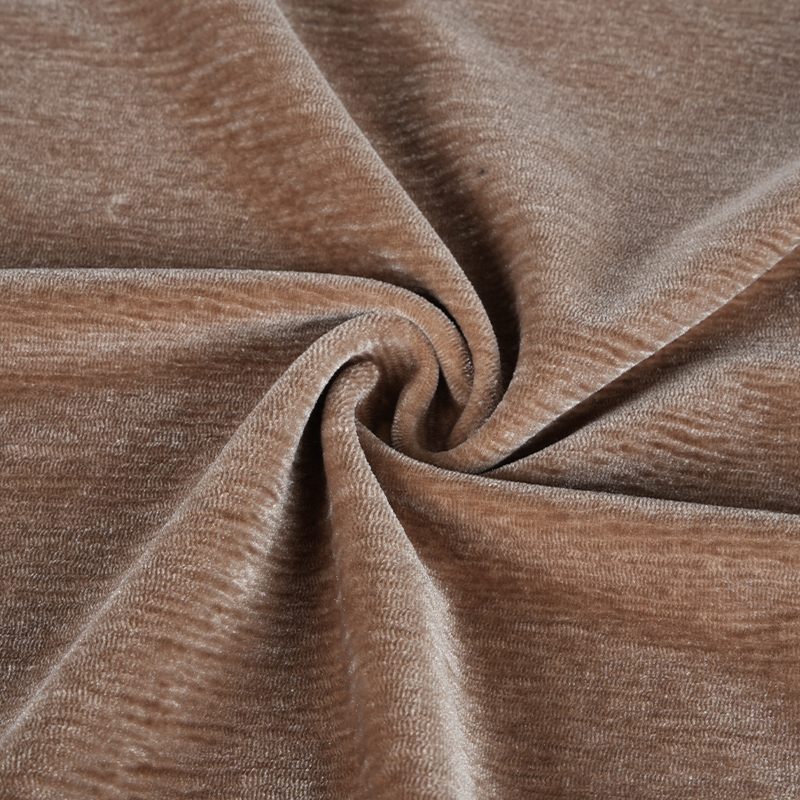
Velvet curtains are synonymous with luxury, drama, and exceptional functionality. Their dense, plush pile is excellent for thermal insulation for curtains, helping to regulate room temperature by creating a barrier against cold windows [1]. They are also superb at sound absorbing curtain materials, as the thick fabric absorbs ambient noise, making them perfect for living rooms, theaters, and bedrooms. Modern velvets, including varieties like mercerized velvet and super soft velvet, offer this opulence with improved texture and drape.
Polyester and Synthetic Blends: Durability and Affordability
Polyester-based fabrics are champions of durability and practicality. They are highly resistant to wrinkles, shrinking, and fading, making them a long-lasting choice for sun-filled rooms. Many curtain fabric options for modern interiors utilize polyester or recycled polyester (often certified by GRS - Global Recycled Standard) to achieve specific performance goals. For example, a common query is about curtain fabric for high humidity areas like kitchens and bathrooms. Here, polyester and synthetic blends excel because they are less susceptible to moisture-related damage like mildew compared to natural fibers.
Silk: Timeless Luxury (With Considerations)
Silk offers an unmatched, luminous sheen and a beautifully fluid drape. It is the epitome of luxury. However, it is a delicate fabric that can be damaged by direct sunlight, leading to fiber degradation and fading. It is also typically high-maintenance, requiring professional cleaning. For these reasons, silk is often used in formal, low-sunlight areas or is now frequently imitated by high-quality synthetic alternatives that mimic its look with greater resilience.
Specialty Fabrics and Innovative Treatments
Advancements in textile manufacturing have led to fabrics designed for specific functional purposes.
Blackout Fabrics: The Science of Light Blocking
True blackout fabrics are engineered to achieve near-total darkness. This is accomplished through either a tight triple-weave structure or by applying a layer of foam or acrylic coating to the back of the fabric. When searching for the best fabric for blackout curtains, look for these technical features. It's important to note that while blackout lining can be added to many curtains, purpose-woven blackout fabrics often provide a cleaner, more integrated look and feel.
Acoustic and Thermal Fabrics
As mentioned, heavy velvets, wools, and densely woven triple-weave fabrics are excellent for sound absorbing curtain materials. For thermal insulation for curtains, the principle is based on creating an air pocket between the window and the room. Multi-layered fabrics, or curtains with separate thermal linings, are most effective. Some innovative fabrics combine these properties, contributing to energy efficiency and acoustic comfort in homes [2].
Eco-Conscious and Certified Fabrics
The demand for sustainable textiles is growing. Fabrics made from recycled materials (like GRS-certified recycled polyester), organic cotton, or linen are popular choices. Certifications like OEKO-TEX® Standard 100 are also critical, as they verify that the curtain fabric has been tested for a wide range of harmful substances, making it safe for use in your home environment.
Selecting Fabric by Room: A Practical Guide
Living and Dining Rooms
- Focus: Aesthetics, light control, durability.
- Recommendations: Linen, cotton blends, velvet (for formal spaces).
- Style Tip: Opt for light-filtering to room-darkening options to manage daytime glare and evening privacy.
Bedrooms
- Focus: Light blocking, thermal insulation, creating a serene mood.
- Recommendations: Dedicated blackout fabrics, velvet, or heavy cotton blends.
- Style Tip: Layering sheer curtains under blackouts offers flexibility.
Kitchens and Bathrooms
- Focus: Moisture resistance, ease of cleaning, ventilation.
- Recommendations: Polyester, synthetic blends, or treated cottons are the ideal curtain fabric for high humidity areas.
- Style Tip: Choose shorter lengths or cafè-style curtains for practicality.
Professional Insights: The Role of Fabric Finishing and Compliance
The journey of a curtain fabric from loom to living room involves critical finishing processes that enhance its performance. Haining Yuqi Textile Co., Ltd. utilizes advanced composite techniques—such as water-based glue, hot melt glue, and oil glue lamination—to bond fabrics together or to backing materials. This process is essential for creating stable, multi-layered fabrics like blackouts or enhanced thermal curtains. Furthermore, techniques like precision punching and laser cutting allow for intricate designs and patterns on fabrics and leathers, adding a custom decorative element.
Compliance with international standards is paramount. Certifications like GRS for recycled content and OEKO-TEX® Standard 100 for human-ecological safety ensure that the textiles are not only high-quality but also responsibly produced and safe for indoor use. The Social & Labor Convergence Project (SLCP) certification further underscores a commitment to ethical manufacturing practices.
Frequently Asked Questions (FAQ)
1. What is the most durable type of curtain fabric?
For general high durability, polyester and synthetic blends are the most resistant to fading, wrinkling, and wear. For natural fibers, a high-quality cotton-linen or cotton-polyester blend offers an excellent balance of durability and aesthetics.
2. How can I make my curtains more energy-efficient?
Choose a heavy, dense fabric like velvet, suede cloth, or a specially woven thermal fabric. Ensure the curtains are well-fitted and extend beyond the window frame to create a sealed air pocket. Closing them at night during winter and during hot summer days can significantly improve thermal insulation [1].
3. Are there curtain fabrics that help reduce noise?
Yes. Thick, plush, and heavy fabrics are excellent sound absorbing curtain materials. Velvet, wool, and heavy tweeds are top choices as their dense piles and weaves help to absorb sound waves rather than reflecting them.
4. What fabric is best for a bathroom where moisture is a concern?
The best curtain fabric for high humidity areas is a synthetic fabric like polyester or nylon. These materials are inherently resistant to mildew and moisture damage, dry quickly, and are easy to clean. Avoid heavy natural fibers like cotton or linen that can retain moisture.
5. Is lining necessary for curtains?
While not always necessary, a lining greatly enhances functionality. It can protect the main fabric from sun damage, improve thermal insulation for curtains, add body and drape, and enhance light-blocking capabilities. For bedrooms or formal living rooms, lining is highly recommended.
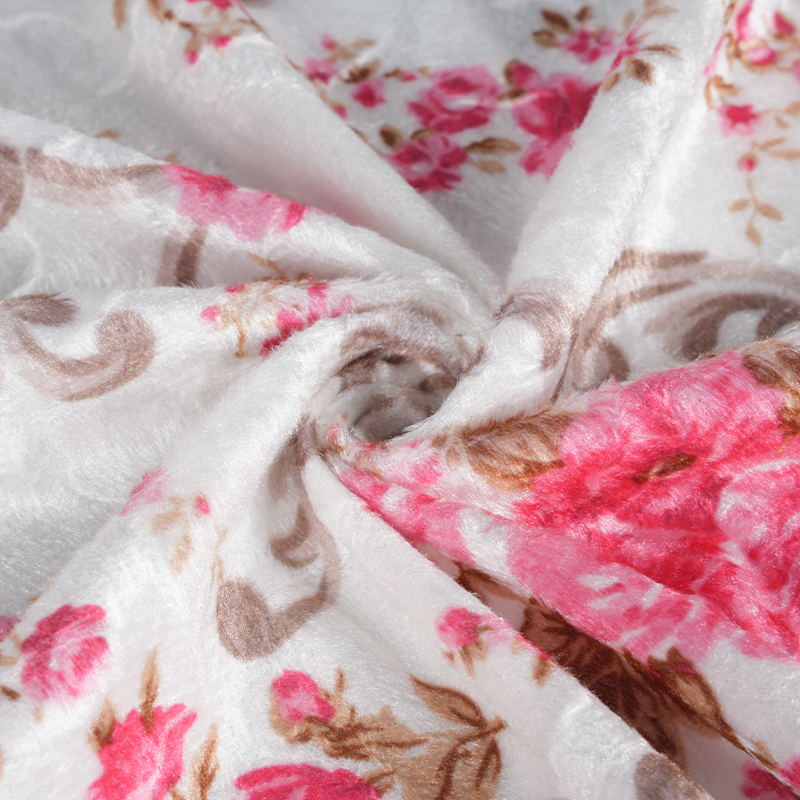
Choosing the perfect curtain fabric is a blend of practical considerations and personal style. By understanding the inherent properties of materials like linen, cotton, velvet, and polyester, and by aligning these with the functional demands of each room—be it seeking the best fabric for blackout curtains, effective sound absorbing curtain materials, or a suitable curtain fabric for high humidity areas—you can make a choice that you will be satisfied with for years to come. Remember to consider the advanced finishing techniques and important safety and sustainability certifications that underpin quality textile manufacturing, ensuring your selection is as responsible as it is beautiful.
References
[1] Shukla, N., & Fallahi, A. (2019). *The Role of Window Treatments in Residential Building Energy Efficiency*. Journal of Building Physics. (This source supports the discussion on thermal insulation properties of heavy fabrics like velvet.)
[2] Kang, J., & Brocklesby, M. W. (2005). *Feasibility of applying micro-perforated absorbers in acoustic window systems*. Applied Acoustics. (This source is referenced in the context of fabrics contributing to acoustic comfort and energy efficiency.)