English
 Español
 عربى
عربى

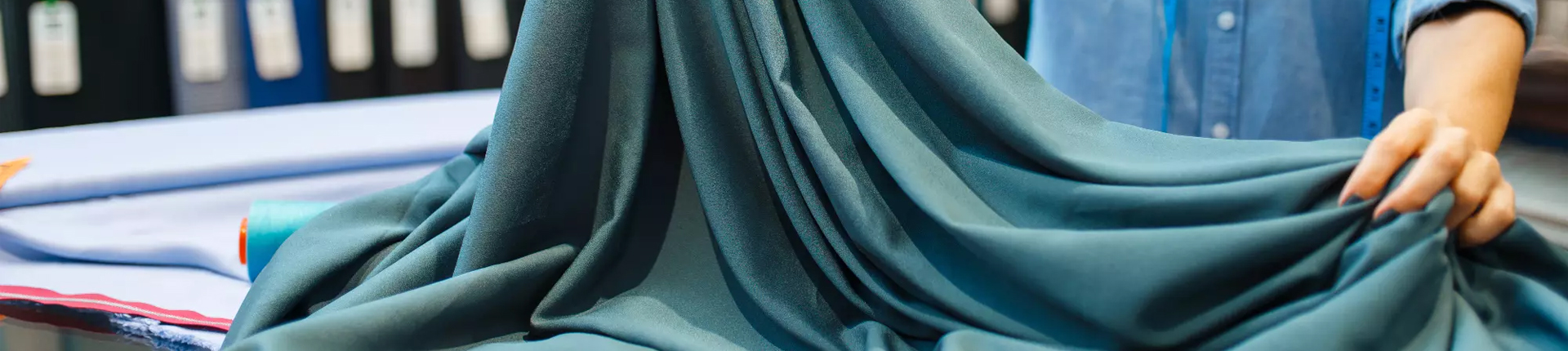
Selecting the right outdoor fabric is a critical decision that impacts the longevity, comfort, and aesthetic appeal of your outdoor living spaces. From patio furniture and cushions to awnings and marine upholstery, the fabric must withstand relentless exposure to sun, rain, wind, and varying temperatures. This comprehensive guide delves into the essential properties, types, and maintenance of high-performance outdoor fabric, empowering you to make an informed choice for any project.
Essential Properties of High-Performance Outdoor Fabrics
Not all fabrics are created equal for outdoor use. True outdoor fabric is engineered with specific characteristics to endure harsh environmental conditions.
Core Performance Characteristics
- Mold & Mildew Resistance: Tightly woven or solution-dyed fibers prevent moisture retention, inhibiting the growth of mold and mildew.
- Fade Resistance (UV Stability): High-quality fabrics are treated with UV inhibitors or use solution-dyed yarns, where color is embedded in the fiber, to resist fading from sunlight.
- Water Repellency & Quick-Dry: Fabrics should either repel water entirely or allow it to pass through and evaporate rapidly, preventing waterlogging and damage.
- Durability & Abrasion Resistance: Measured by a rub count (e.g., Wyzenbeek test), this indicates how well the fabric withstands wear and tear from regular use.
- Breathability: Allows air to pass through, preventing a sticky, uncomfortable feel and reducing heat buildup.
Understanding Fabric Composition and Weave
The material and construction define a fabric's feel and function. Two primary weaves dominate the market.
Solution-dyed acrylic fabrics often have a softer, more cotton-like hand and offer superior fade resistance, while woven polyester fabrics typically boast higher tensile strength and better water resistance. The following table highlights the key differences:
| Property | Solution-Dyed Acrylic | Woven Polyester |
| Fade Resistance | Excellent; color is part of the fiber. | Very Good to Excellent with quality treatments. |
| Water Resistance | Water-repellent; water beads up but can soak through under pressure. | Highly water-resistant or waterproof when laminated. |
| Hand & Feel | Softer, more natural, breathable. | Can be stiffer, more structured. |
| Best For | Furniture cushions, upholstery, drapes. | Awnings, umbrellas, marine covers. |
Choosing the Right Fabric for Your Specific Application
Different outdoor items face unique challenges. Here’s how to match fabric performance to application.
Fabric for Patio Furniture Cushions
For cushions, comfort and durability are paramount. Look for fabrics that are not only weather-resistant but also pleasant to the touch. A breathable outdoor fabric for patio cushions is essential to prevent that clammy feeling on hot days and to allow moisture from humidity to escape. Solution-dyed acrylics and certain high-grade polyolefins are top choices for their balance of softness and resilience.
- Prioritize high rub counts (>15,000 double rubs) for heavy-use seating.
- Choose breathable weaves to enhance comfort during extended use.
- Ensure the cushion fill is also quick-drying and water-resistant.
Fabric for Retractable Awnings and Shades
Awnings require fabric with exceptional tensile strength and weatherproofing. The focus here is on creating a reliable shelter. The market offers excellent retractable awning fabric options designed specifically for constant extension and retraction. Laminated or coated polyester fabrics are the industry standard due to their strength, waterproof nature, and UV stability.
- Opt for 100% waterproof fabric with sealed seams for complete rain protection.
- Select a fabric with a high UV block rate (often 98%+).
- Consider lighter colors to reflect heat rather than absorb it.
Fabric for Marine and Boating Environments
The marine environment is the ultimate test for fabric, demanding maximum resistance to salt, sun, and abrasion. Investing in specialized marine grade vinyl fabric for boats is non-negotiable for safety and longevity. These are typically reinforced vinyl or polyester-based fabrics with advanced coatings.
- Look for fabrics specifically labeled "marine-grade" with anti-mold treatments.
- High resistance to saltwater corrosion, chemicals, and fuels is critical.
- Ensure high seam strength to withstand constant wind stress.
Specialized Fabrics and Innovative Textiles
Beyond standard weaves, innovative textiles address specific needs for comfort and sustainability.
The Rise of Performance Velvets
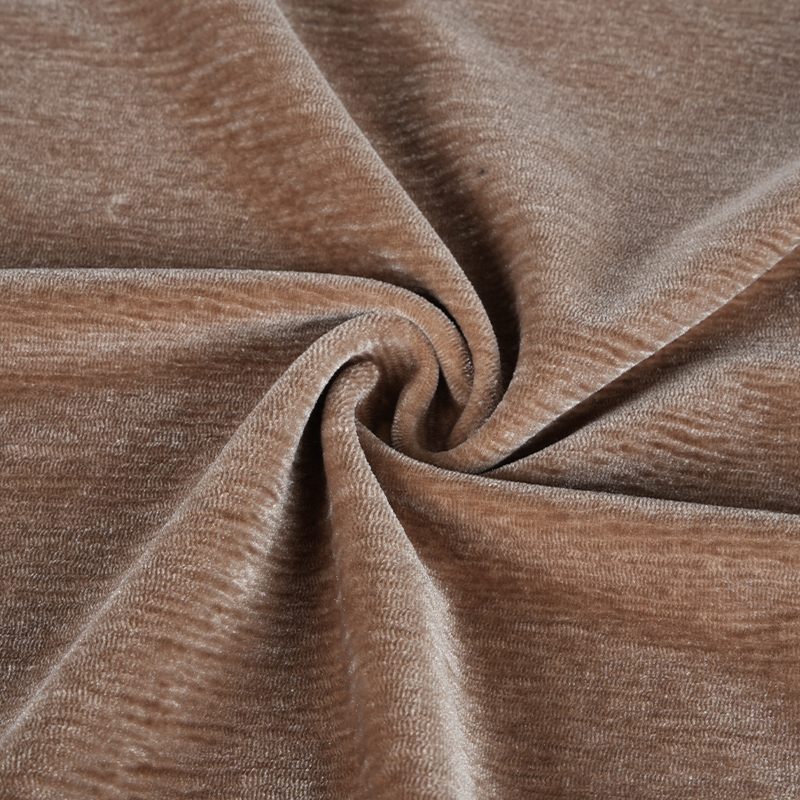
Gone are the days when velvet was solely for indoor luxury. Modern outdoor velvet fabric for luxury furniture combines a plush, opulent feel with serious performance. These fabrics are crafted from solution-dyed yarns with a protective topcoat, offering stain, fade, and water resistance.
- Ideal for creating a high-end, comfortable look in covered outdoor areas.
- Requires prompt cleaning of spills but is remarkably durable for its texture.
- Offers a unique aesthetic that sets luxury outdoor spaces apart.
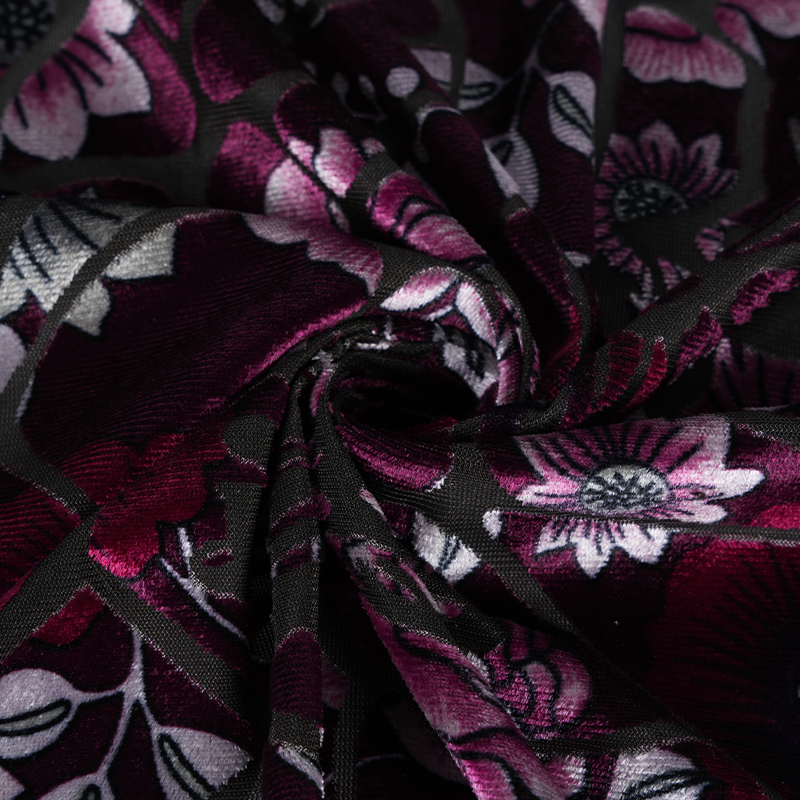
Haining Yuqi Textile Co., Ltd leverages its expertise in warp knitting to produce advanced performance velvets like mercerized velvet and super soft velvet, suitable for demanding applications where style cannot compromise on function.
Sustainable and Recycled Outdoor Textiles
Eco-conscious choices are growing in demand. Recycled polyester outdoor fabric durability is now on par with virgin materials. These fabrics are made from post-consumer plastic bottles, reducing waste without sacrificing performance.
- Look for certifications like GRS (Global Recycled Standard) to verify recycled content.
- Provides the same high strength, UV resistance, and colorfastness as virgin polyester.
- A sustainable choice for environmentally responsible projects.
Haining Yuqi Textile Co., Ltd holds the GRS certificate, underscoring its commitment to producing high-quality recycled fabrics that meet rigorous environmental and performance standards.
Fabric Finishes, Certifications, and Manufacturing Expertise
The final performance of a fabric is also determined by its finishes and the manufacturer's capabilities.
Protective Finishes and Treatments
Finishes like fluoropolymer treatments enhance stain and water resistance, while UV-inhibiting coatings are applied during manufacturing. These treatments are crucial for extending fabric life.
Important Certifications for Peace of Mind
- OEKO-TEX Standard 100: Certifies the fabric is free from harmful levels of over 100 regulated substances, making it safe for human use.
- GRS (Global Recycled Standard): Verifies the recycled content in the product and tracks it through the supply chain.
- SLCP (Social & Labor Convergence Project): Assesses social and labor conditions in manufacturing facilities.
Choosing a manufacturer like Haining Yuqi Textile Co., Ltd, which possesses OEKO-TEX, GRS, and SLCP certifications, ensures the outdoor fabric is not only high-performing but also responsibly produced and safe for families and the environment.
Value-Added Manufacturing Processes
Advanced manufacturing techniques add functionality. Haining Yuqi Textile Co., Ltd utilizes capabilities such as fabric composite (using water, hot melt, or oil glue), and precision punching and laser cutting. These processes allow for:
- Creating laminated fabrics with enhanced properties (e.g., adding a waterproof membrane).
- Producing intricate patterns and designs via laser cutting for unique aesthetics.
- Ensuring precise, clean perforations for technical applications or drainage.
Care and Maintenance for Longevity
Proper care maximizes your investment. For general cleaning, brush off loose dirt and rinse with a hose. Use a mild soap solution and a soft brush for stains. Always allow fabric to dry completely before use or storage. For stubborn stains or overall deep cleaning, how to clean mold resistant outdoor fabric follows a simple protocol: a solution of mild detergent, water, and a small amount of distilled white vinegar can be effective. Avoid harsh chemicals like bleach, which can damage water-repellent finishes and fibers. Regular care ensures your outdoor investments look great for years.
Frequently Asked Questions (FAQ)
What is the most durable type of outdoor fabric?
For overall durability against sun, water, and abrasion, high-quality solution-dyed acrylic and laminated woven polyester are considered the most durable. The best choice depends on the specific application—acrylic for softness and fade resistance on furniture, polyester for maximum waterproof strength on awnings and marine uses.
Can outdoor fabric really be waterproof and breathable?
Yes, through advanced micro-porous coatings or laminates (e.g., PTFE membranes). These technologies allow water vapor (sweat, humidity) to escape from one side while preventing liquid water from penetrating from the other. This is common in high-performance retractable awning fabric options and some premium furniture fabrics.
Is outdoor velvet fabric easy to maintain?
Yes, modern outdoor velvet fabric for luxury furniture is designed for easy maintenance. Most spills can be blotted up promptly with a damp cloth. Its inherent stain resistance and protective topcoat make it more forgiving than traditional velvet. Regular vacuuming with a brush attachment is usually sufficient for routine care.
How does recycled polyester compare to new polyester for outdoor use?
In terms of recycled polyester outdoor fabric durability, it is virtually identical to virgin polyester. The recycling process creates pellets that are spun into new yarns, which are then woven or knitted and finished with the same performance coatings. The key difference is the reduced environmental impact.
How often should I clean my outdoor fabric to prevent mold?
Regular maintenance is key. A quick rinse every few weeks removes surface dirt and spores. A deeper clean, as outlined in the guide on how to clean mold resistant outdoor fabric, should be performed at least twice a year, or more frequently in humid climates. Always ensure fabric is completely dry after cleaning or rain.