English
 Español
 عربى
عربى

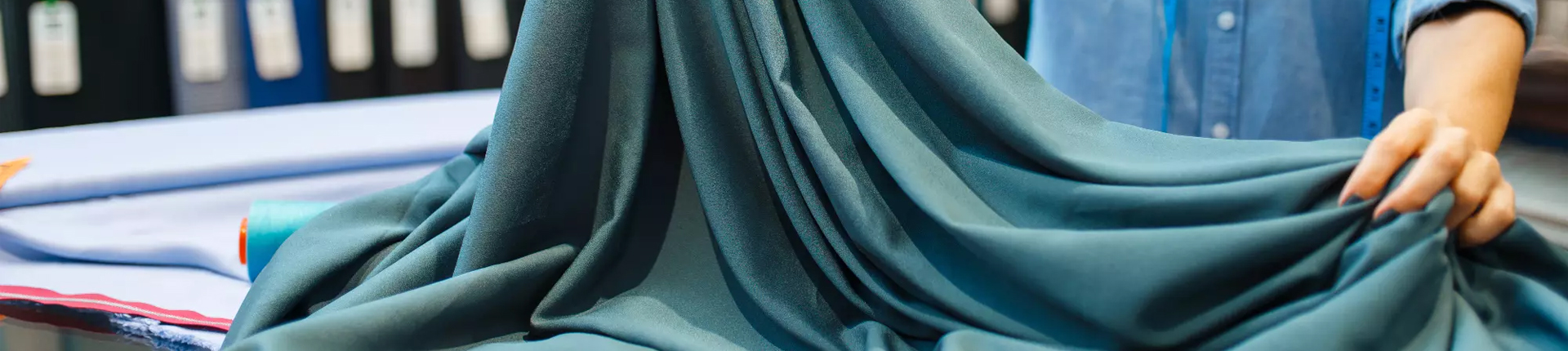
Sheer fabric is a lightweight, semi-transparent textile widely used in both apparel and home textiles. Its low yarn density and fine threads create a soft drape and delicate appearance, making it suitable for layered garments, curtains, and decorative panels. Selecting the right sheer fabric is critical in industrial textile applications, as it affects product performance, durability, and aesthetic appeal. According to the latest report by Globenewswire, the global textile market is projected to continue growing in 2024–2025, driven by increasing demand for functional and decorative lightweight fabrics in apparel and home décor.
Source: Globenewswire Textile Market Report 2024–2025
Haining Yuqi Textile Co., Ltd. specializes in producing warp-knitted fabrics, glove fabrics, clothing fabrics, recycled fabrics, sofa fabrics, and curtain fabrics. With capabilities including composite machines (water glue, hot melt glue, oil glue), punching and laser processing, and certifications such as GRS and OEKO-TEX 100, the company provides high-performance textile solutions for industrial and B2B applications.
What Is Sheer Fabric?
Sheer fabric refers to textiles with low thread density or fine yarns that allow light to pass through. It can be made from natural fibers, synthetics, or blends, and is used in applications that require transparency, drape, and softness. The degree of sheerness is typically measured by yarn count or denier, which influences both mechanical performance and visual effect. Sheer fabric types and technical properties vary according to fiber composition, weave structure, and finish.
Key Characteristics of Lightweight Fabrics
Lightweight fabrics differ in drape, handle, and strength. Comparing sheer fabric with other fabrics such as chiffon, voile, and organza provides clarity for material selection in B2B sourcing and manufacturing.
Comparison Overview
Below is a technical comparison highlighting differences in key performance indicators:
| Property | Sheer Fabric | Chiffon | Voile | Organza |
| Sheerness | High | High | Medium-High | Medium |
| Drape | Soft | Fluid | Soft | Stiff |
| Handle | Delicate | Delicate | Smoother | Crisp |
| Typical Use | Apparel & Décor | Eveningwear | Curtains & Light Apparel | Structured Overlays |
How to Choose Sheer Fabric for Apparel Manufacturing
When selecting sheer fabric for apparel manufacturing, engineers and sourcing specialists must evaluate tensile strength, drape coefficient, and handle under cut-and-sew conditions. Specification of yarn count, fiber content, and finishing processes (such as calendaring or mercerization) ensures predictable performance. Using standardized testing methods for weight, abrasion resistance, and color fastness reduces sampling cycles and improves quality assurance in mass production.
Sheer Fabric for Home Textiles Comparison
In home textiles, fabric choice affects light transmission, durability, and visual impact. For curtains and decorative panels, voile may offer moderate opacity with smooth texture, while sheer fabrics provide maximum transparency. Abrasion resistance, UV stability, and flame retardancy should be incorporated in technical specifications. Comparative analysis enables designers and procurement teams to balance aesthetics and functional performance effectively.
Industry Insights and Sustainable Sheer Fabric Standards
The adoption of sustainability standards such as OEKO-TEX and GRS is increasing across textile supply chains. According to the latest OEKO-TEX Annual Report, certified manufacturers grew by 8% in 2024–2025, emphasizing the importance of chemical safety, traceability, and environmental responsibility in fabric production. For companies like Haining Yuqi Textile Co., Ltd., compliance with these standards ensures that sustainable sheer fabric standards are met, enabling B2B buyers to align with corporate social responsibility and regulatory requirements.
Source: OEKO-TEX Annual Report 2024–2025
Source: OEKO-TEX Data 2024–2025
Conclusion
Understanding the technical differences between sheer fabric and other lightweight textiles supports informed decision-making in both apparel and home textile sourcing. Proper material selection based on drape, transparency, and performance ensures high-quality outcomes and reduces production risks. Companies with advanced manufacturing and certification standards, like Haining Yuqi Textile Co., Ltd., are well-positioned to meet B2B and industrial requirements for diverse applications.
FAQ
- Q1: What distinguishes sheer fabric from other lightweight textiles?
A1: Sheer fabric has lower yarn density and finer threads than most lightweight textiles, providing higher transparency and softer drape. It is specifically designed for layered garments, curtains, and decorative applications.
- Q2: How does chiffon compare technically to sheer fabric?
A2: Chiffon is also lightweight and transparent but uses high-twist yarns that give a slightly stretchable, fluid drape. Sheer fabrics may offer more versatility in openness and finish options, depending on fiber and weave.
- Q3: What criteria should be used in how to choose sheer fabric for apparel manufacturing?
A3: Criteria include tensile strength, drape coefficient, handle, fiber content, yarn count, and finishing processes. These ensure performance consistency in cut-and-sew operations and reduce quality issues in mass production.
- Q4: Can sheer fabric meet performance standards for home textiles?
A4: Yes. When specified for UV stability, flame retardancy, and abrasion resistance, sheer fabric can be used for curtains, decorative panels, and layered home textile products effectively.
- Q5: Why are sustainability standards like OEKO-TEX important when sourcing sheer fabric?
A5: Standards such as OEKO-TEX certify chemical safety, traceability, and environmentally responsible production, ensuring that B2B buyers and manufacturers comply with regulations and meet sustainability goals.