English
 Español
 عربى
عربى

Redefining Outdoor Luxury with Velvet Textiles
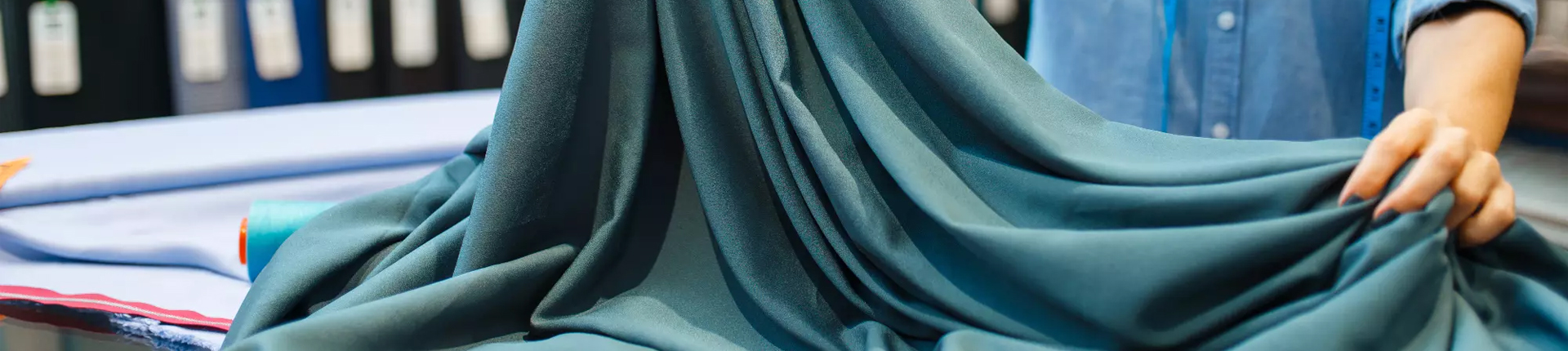
The evolution of exterior design has witnessed a remarkable transformation in recent years, with outdoor spaces becoming extensions of interior living areas. This shift has created demand for furnishings that bridge the gap between indoor comfort and outdoor durability. At the forefront of this movement stands outdoor velvet upholstery fabric, a material that challenges conventional perceptions about appropriate textiles for exterior applications. Unlike traditional outdoor fabrics that prioritize function over form, outdoor velvet delivers both exceptional aesthetic appeal and practical performance, creating a new paradigm for luxury exterior design.
The very concept of velvet in outdoor settings may seem counterintuitive to those familiar with traditional interior velvets, which are notoriously delicate and susceptible to moisture damage. However, technological advancements in textile manufacturing have yielded velvet fabrics specifically engineered to withstand the rigors of outdoor environments while maintaining the plush texture and visual depth that make velvet so desirable. These innovative textiles incorporate solution-dyed acrylic fibers, advanced water-repellent treatments, and UV-resistant coatings that preserve both the fabric's integrity and color vibrancy despite constant exposure to sun, rain, and temperature fluctuations.
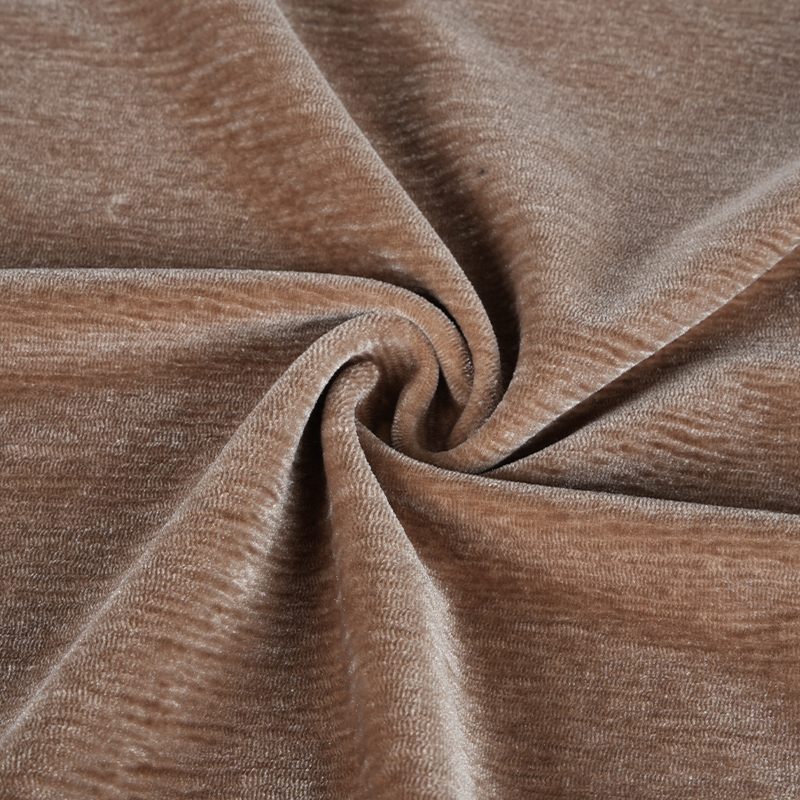
What truly sets outdoor velvet apart is its ability to elevate the sensory experience of exterior spaces. The fabric's characteristic softness and rich visual texture create an immediate impression of luxury and comfort that encourages relaxation and social interaction. When sunlight interacts with the fabric's dense pile, it produces subtle light reflections that enhance the depth and richness of colors, adding dimensional interest to outdoor settings throughout the day. This visual sophistication, combined with unprecedented durability, positions outdoor velvet as the definitive choice for designers and homeowners seeking to create exterior environments that rival the comfort and style of interior spaces.
Durability and Performance in Outdoor Conditions
Engineering Behind Weather-Resistant Velvet
The exceptional performance of outdoor velvet fabrics stems from sophisticated engineering that addresses the specific challenges of exterior environments. At the molecular level, these textiles incorporate advanced polymers and manufacturing techniques that create a barrier against environmental stressors while maintaining the plush hand-feel characteristic of premium velvet. The foundation of high-performance outdoor velvet begins with solution-dyed acrylic fibers, where color pigments are integrated into the polymer before extrusion, resulting in exceptional colorfastness that resists fading even after prolonged UV exposure. This fundamental construction difference separates outdoor velvet from its indoor counterparts and enables it to maintain its aesthetic appeal through seasons of use.
Beyond color retention, outdoor velvet undergoes multiple specialized treatments that enhance its functional properties. These include:
- Hydrophobic surface treatments that cause water to bead up and roll off the fabric rather than being absorbed
- Mold and mildew inhibitors integrated directly into the fiber structure to prevent microbial growth in humid conditions
- UV stabilizers that protect the molecular integrity of the fibers from solar degradation
- Anti-static treatments that reduce dust and allergen accumulation on the fabric surface
- Abrasion-resistant finishes that maintain the fabric's appearance despite frequent use
The performance of outdoor velvet becomes particularly evident when compared with other common outdoor textiles. The following comparison illustrates key differences:
| Fabric Type | UV Resistance | Water Resistance | Abrasion Resistance | Color Retention |
|---|---|---|---|---|
| Outdoor Velvet | Excellent (500+ hours fade resistance) | High (water beads effectively) | Very Good (15,000+ double rubs) | Exceptional (solution-dyed colors) |
| Standard Outdoor Canvas | Good (300-400 hours fade resistance) | Moderate (requires reproofing) | Good (10,000-12,000 double rubs) | Good (surface-dyed colors) |
| Traditional Interior Velvet | Poor (rapid fading) | Very Poor (absorbs moisture) | Fair (5,000-7,000 double rubs) | Fair (dyes susceptible to fading) |
Long-Term Performance and Maintenance
The long-term performance of outdoor velvet upholstery represents one of its most compelling advantages for exterior applications. Unlike many outdoor fabrics that degrade noticeably within a single season, high-quality outdoor velvet maintains its structural integrity and aesthetic appeal for years with proper care. The fabric's resistance to environmental factors ensures that it doesn't become brittle, faded, or thin-looking over time, which commonly occurs with inferior outdoor textiles. This endurance translates to better value over the lifespan of outdoor furniture, as the upholstery won't require replacement nearly as frequently as with other fabric options.
Maintenance requirements for outdoor velvet are surprisingly minimal compared to the luxury appearance the fabric projects. Routine care primarily involves regular brushing with a soft-bristled brush to remove surface debris and occasional spot cleaning with a mild soap solution for spills. The fabric's inherent stain resistance prevents most common outdoor contaminants from setting permanently, while its quick-drying properties ensure that moisture doesn't linger long enough to promote mildew growth. For comprehensive cleaning, most outdoor velvet covers are designed for easy removal and machine washing, though always following manufacturer guidelines is essential to preserve protective treatments.
When considering best practices for cleaning outdoor velvet cushions, homeowners should establish a regular maintenance schedule that aligns with their specific environmental conditions. In regions with high pollen counts or excessive dust, more frequent brushing may be necessary, while coastal environments might require occasional rinsing to remove salt residue. The robust nature of outdoor velvet means it can withstand these cleaning routines without compromising its texture or performance, making it surprisingly low-maintenance despite its luxurious appearance.
Aesthetic Versatility for Modern Exterior Spaces
Color and Texture Applications
The aesthetic flexibility of outdoor velvet upholstery fabrics represents a significant advancement in exterior design possibilities. Unlike many performance fabrics that offer limited color options, outdoor velvet is available in an extensive spectrum of colors ranging from rich jewel tones to subtle neutrals, enabling designers to create specific moods and visual impacts in outdoor settings. The unique light-absorbing and reflecting properties of velvet pile add dimensional quality to colors that flat-woven textiles cannot replicate, creating dynamic visual interest that changes throughout the day as lighting conditions shift.
Texture plays an equally important role in the aesthetic appeal of outdoor velvet. The fabric's characteristic pile can be varied in density and height to create different visual and tactile experiences, from plush, high-pile options that invite touch to more refined, lower-pile versions that offer sophisticated elegance. This textural versatility allows outdoor velvet to complement various design styles, from opulent and traditional to sleek and contemporary. When used in combination with other outdoor materials like teak, wrought iron, or powder-coated aluminum, velvet creates compelling textural contrasts that elevate the overall design scheme.
Design applications for outdoor velvet extend beyond standard seating cushions to include:
- Deeply padded lounge chairs that transform ordinary patio furniture into luxury relaxation spots
- Accent pillows that introduce color and texture to existing outdoor seating arrangements
- Full sectional sofas that create comfortable outdoor living rooms
- Dining chair cushions that add comfort and style to outdoor eating areas
- Bench pads that soften hard surfaces in garden and landscape settings
Creating Cohesive Design Statements
The integration of outdoor velvet into exterior spaces enables designers to create cohesive visual narratives that connect indoor and outdoor environments. This continuity has become increasingly important as homeowners seek to extend their interior design aesthetic to exterior living areas. Outdoor velvet serves as an ideal bridge material because its luxurious appearance aligns with high-end interior furnishings while its performance characteristics suit exterior conditions. This eliminates the visual disconnect that often occurs when moving between interior spaces furnished with premium textiles and exterior areas limited to utilitarian outdoor fabrics.
Successful implementation of outdoor velvet in comprehensive design schemes requires thoughtful consideration of how the fabric interacts with other elements in the space. The reflective quality of velvet can be used strategically to highlight specific areas or create focal points, while matte-finish velvets can help absorb light and reduce glare in sun-drenched locations. Designers frequently employ outdoor velvet as a unifying element that ties together diverse materials and colors within an exterior scheme, creating harmony between architectural features, hardscaping, and soft furnishings.
For those exploring colorfast outdoor velvet for patio furniture, the extensive palette options enable precise color matching or complementary color schemes that integrate seamlessly with existing architectural elements and landscape features. The assurance of colorfastness means these design decisions will remain visually intact for years, unlike with conventional fabrics where sun exposure would quickly alter the intended color scheme. This reliability allows for more ambitious and sophisticated exterior design approaches that maintain their integrity over time.
Comfort and Practical Considerations
Enhanced Outdoor Experience Through Texture
The comfort advantage of outdoor velvet upholstery represents one of its most significant benefits for exterior living spaces. Unlike many outdoor fabrics that feel technical, rough, or stiff, velvet provides immediate softness and warmth that enhances the user experience. The dense pile of quality outdoor velvet creates a cushioning effect that conforms gently to the body, providing superior comfort for extended seating periods. This plush surface feels inviting against skin, eliminating the need for additional textiles when wearing summer clothing and making velvet-upholstered furniture genuinely comfortable for relaxation.
From a practical perspective, outdoor velvet addresses several common complaints associated with outdoor furniture. The fabric remains noticeably cooler than vinyl or synthetic leather options when exposed to direct sunlight, preventing the uncomfortable sticking sensation and potential for minor burns. Conversely, in cooler weather, velvet feels warmer to the touch than many other outdoor textiles, extending the comfortable use of outdoor furniture into milder seasons. These temperature-moderating properties significantly enhance the usability of exterior spaces across varying climate conditions.
Additional practical benefits of outdoor velvet include:
- Reduced sliding on seating surfaces due to the fabric's higher friction coefficient
- Natural sound absorption that minimizes ambient noise in outdoor settings
- Minimal static electricity buildup compared to other synthetic fabrics
- Resistance to pilling and surface distortion despite frequent use
- Ability to conceal minor wrinkles and creases that would be noticeable on flat-woven fabrics
Addressing Common Concerns About Outdoor Velvet
Despite its numerous advantages, some homeowners hesitate to incorporate velvet into exterior settings due to preconceptions about its practicality. Addressing these concerns directly reveals how modern outdoor velvet has evolved to overcome traditional limitations. The most common apprehension involves moisture management, with many assuming velvet would absorb water and remain damp. In reality, high-performance outdoor velvet features advanced moisture-wicking properties that quickly transport liquid away from the surface while resisting absorption into the fiber core, resulting in surprisingly quick drying times even after heavy rainfall.
Another frequent concern involves the assumption that outdoor velvet would require specialized cleaning methods or professional care. Contrary to this perception, outdoor velvet's stain-resistant properties often make it easier to maintain than many other outdoor fabrics. Most spills can be blotted away without leaving permanent marks, and the fabric's construction prevents liquids from penetrating deeply, allowing for effective spot cleaning. The durability of outdoor velvet also means it can withstand regular cleaning without showing signs of wear or texture changes that would compromise its appearance.
When evaluating waterproof outdoor velvet fabric performance, it's important to understand that the term "waterproof" in textile contexts typically refers to resistance rather than complete impermeability. Outdoor velvet is engineered to prevent water penetration under normal conditions, with water beading on the surface rather than being absorbed. This level of water resistance proves entirely sufficient for most exterior applications, as furniture is rarely subjected to prolonged immersion. The fabric's quick-drying characteristics further enhance its practical performance in damp conditions, ensuring comfort soon after rainfall.
Sustainability and Environmental Impact
Eco-Conscious Manufacturing Processes
The production of outdoor velvet upholstery fabrics has evolved to address growing environmental concerns within the textile industry. Leading manufacturers have implemented sustainable practices throughout the production lifecycle, from raw material sourcing to finished product. Many premium outdoor velvets now incorporate recycled materials in their fiber content, diverting plastic waste from landfills and oceans while maintaining high-performance standards. These eco-conscious approaches reduce the environmental footprint of outdoor furnishings without compromising the luxury aesthetic and durability that define quality outdoor velvet.
Energy and resource management during manufacturing represents another area of significant improvement. Advanced production facilities utilize closed-loop water systems that minimize freshwater consumption and prevent chemical runoff, while energy-efficient manufacturing processes reduce greenhouse gas emissions. Solution-dyeing techniques, which are standard for high-quality outdoor velvet, consume significantly less water and energy than traditional textile dyeing methods, while also eliminating the problematic wastewater associated with conventional dye processes. These sustainable manufacturing approaches align with the values of environmentally conscious consumers who seek beautiful exterior furnishings that don't come at the expense of ecological responsibility.
Sustainable attributes of modern outdoor velvet production include:
- Integration of post-consumer recycled materials in fiber production
- Waterless dyeing technologies that eliminate contaminated wastewater
- Low-VOC (Volatile Organic Compound) finishes that improve indoor and outdoor air quality
- Energy-efficient manufacturing processes that reduce carbon emissions
- Responsible sourcing practices for raw materials
- Reduced packaging materials through innovative folding and compression techniques
Longevity as an Environmental Benefit
The exceptional durability of outdoor velvet upholstery fabrics contributes significantly to their environmental profile by extending product lifespan and reducing replacement frequency. Unlike lower-quality outdoor textiles that degrade quickly, requiring disposal and replacement every few seasons, high-performance outdoor velvet maintains its aesthetic and functional properties for many years. This longevity directly reduces waste generation and resource consumption associated with furniture replacement, making it an environmentally preferable choice despite potentially higher initial investment.
The environmental advantage of product durability becomes particularly evident when considering the complete lifecycle of outdoor furnishings. Manufacturing new textiles consumes substantial resources including water, energy, and raw materials, while generating emissions and waste. By extending the usable life of upholstery, outdoor velvet reduces the frequency of these manufacturing impacts. Additionally, the fade resistance and colorfastness of quality outdoor velvet mean that furniture covers don't need replacement due to aesthetic degradation, further conserving resources that would be used to produce replacement covers.
When comparing eco-friendly outdoor velvet material options, consumers should consider both the recycled content and the product's total lifespan. Some fabrics may feature high recycled content but lack the durability to maintain their appearance over multiple seasons, ultimately requiring earlier replacement. The most sustainable options balance post-consumer recycled materials with robust construction that ensures long-term performance. This combination delivers maximum environmental benefit by both diverting waste and minimizing future resource consumption.
Implementation and Design Integration Strategies
Selecting Appropriate Applications
Successfully incorporating outdoor velvet upholstery into exterior designs requires thoughtful consideration of appropriate applications and installation techniques. While outdoor velvet performs exceptionally well across various settings, understanding its optimal uses ensures maximum satisfaction and longevity. The fabric proves particularly well-suited for furniture pieces that benefit from its luxurious appearance and enhanced comfort, including deep-seating sectionals, lounge chairs, and dining seating where extended comfort is valued. Its durability also makes it appropriate for high-use areas where both aesthetic appeal and long-term performance are important considerations.
Installation considerations for outdoor velvet differ somewhat from conventional outdoor fabrics due to its thicker construction and distinctive texture. When having furniture custom-upholstered with outdoor velvet, working with experienced craftspeople familiar with the fabric's characteristics ensures optimal results. Proper cutting and pattern matching require attention to the fabric's pile direction, which affects both appearance and tactile quality. Additionally, outdoor velvet's thickness may necessitate adjustments to cushion closure systems and cover designs to accommodate the additional bulk while maintaining a tailored appearance.
Optimal applications for outdoor velvet upholstery include:
- Protected outdoor living areas such as covered patios and verandas
- Three-season rooms that require fabrics performing in variable conditions
- Poolside furniture in covered arrangements where direct chemical exposure is limited
- Commercial hospitality settings seeking to elevate their exterior design aesthetic
- Urban balconies and terraces where style and space efficiency are priorities
Creating Harmonious Exterior Environments
The integration of outdoor velvet into complete exterior design schemes requires a holistic approach that considers the relationship between various elements within the space. Successful implementations treat exterior areas with the same design consideration typically reserved for interior rooms, creating cohesive environments that feel intentionally designed rather than merely furnished. Outdoor velvet serves as an excellent anchor material within these schemes, providing both visual weight and textural interest that can be complemented with other performance textiles and materials.
Creating harmony between outdoor velvet and other elements involves thoughtful consideration of scale, color relationships, and material combinations. The luxurious appearance of velvet balances effectively with natural materials like wood and stone, creating appealing contrasts between soft and hard surfaces. Similarly, pairing velvet with metal frameworks establishes an attractive balance between organic texture and structural definition. These material relationships enhance the overall design impact while ensuring the space remains functional and appropriate for exterior use.
For those considering UV resistant velvet for garden furniture, the extensive color options enable creative approaches to integrating furnishings with landscape elements. Rich jewel-toned velvets can complement flowering plants and garden beds, while neutral tones provide a sophisticated backdrop that allows architectural features and plantings to take visual precedence. The assurance of UV resistance means these carefully considered color relationships will remain consistent throughout seasons of sun exposure, maintaining the designed aesthetic integrity of the exterior space.
The Evolution of Exterior Textile Standards
The emergence of outdoor velvet upholstery fabrics represents a significant milestone in the evolution of performance textiles for exterior applications. This category has progressed from primarily utilitarian materials focused exclusively on durability to sophisticated textiles that deliver both exceptional performance and aesthetic refinement. Outdoor velvet stands at the apex of this evolution, offering the luxurious appearance and tactile experience once available only in interior fabrics while providing the durability and weather resistance required for exterior use. This convergence of beauty and performance establishes a new standard for what consumers can expect from their exterior furnishings.
Looking forward, the success of outdoor velvet will likely influence development across the broader exterior textile industry, encouraging innovation that prioritizes both aesthetic appeal and functional performance. As consumers become increasingly sophisticated in their expectations for exterior spaces, the demand for materials that bridge the gap between indoor comfort and outdoor durability will continue to grow. Outdoor velvet's ability to meet these competing demands positions it not as a niche product, but as a foundational element in the future of exterior design—a material that truly allows seamless transitions between interior and exterior living environments.
The lasting impact of outdoor velvet on exterior design philosophy extends beyond the material itself to influence how we conceptualize and utilize outdoor spaces. By providing furnishings that offer uncompromised comfort and style, outdoor velvet encourages more frequent and extended use of exterior areas, ultimately enhancing how people experience and interact with their outdoor environments. This transformational effect on lifestyle, combined with the material's practical advantages, confirms outdoor velvet's position as the future of stylish exterior design—a future where the distinction between indoor luxury and outdoor practicality becomes increasingly blurred in the most appealing way possible.