English
 Español
 عربى
عربى

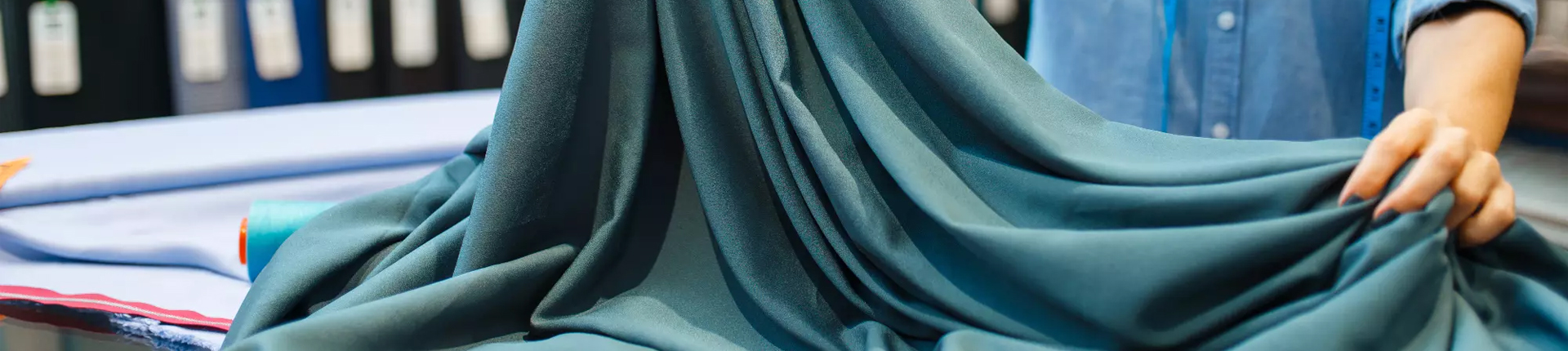
Against the backdrop of the global advocacy for sustainable development, linen is highly favored for its natural and biodegradable properties. Hemp plants grow rapidly, require little water during cultivation, and do not need a large amount of pesticides. They are friendly to the soil and the environment. Compared with synthetic fibers, the production process of linen has a lower carbon footprint, which meets the current consumers' demand for environmentally friendly products.
Diversified application scenarios
Fashion and Clothing: Linen, with its breathable, moisture-absorbent and antibacterial properties, is an ideal choice for summer clothing. Many designer brands have begun to use linen to make high-end ready-to-wear garments, taking into account both comfort and natural aesthetics.
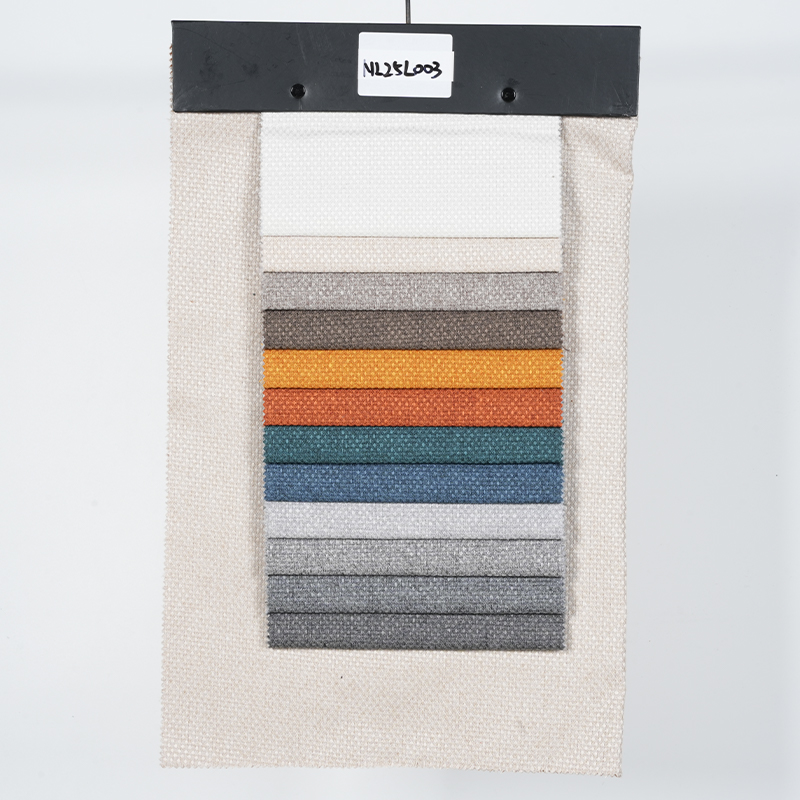
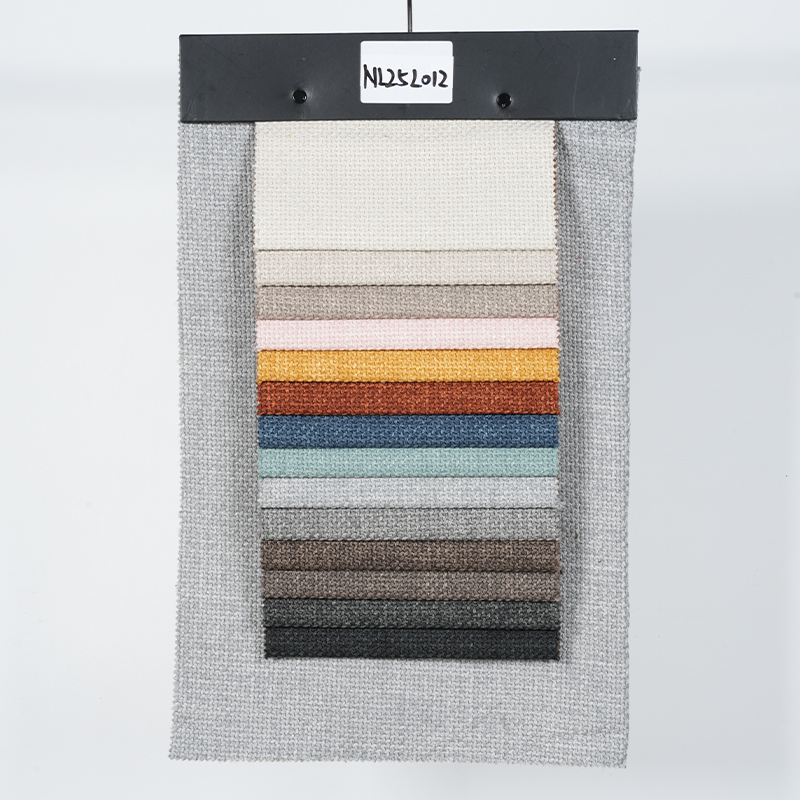
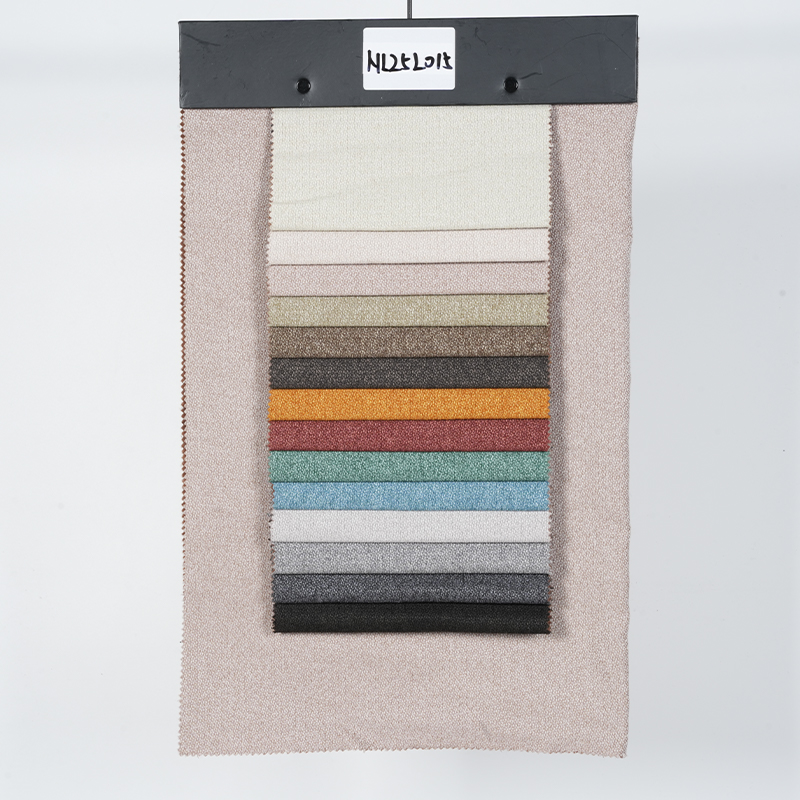
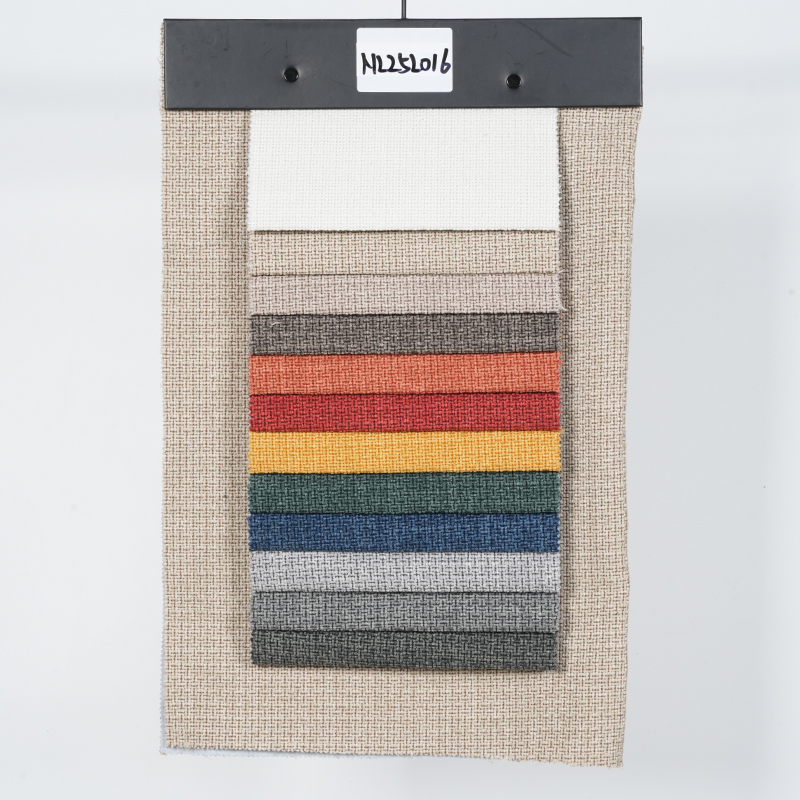
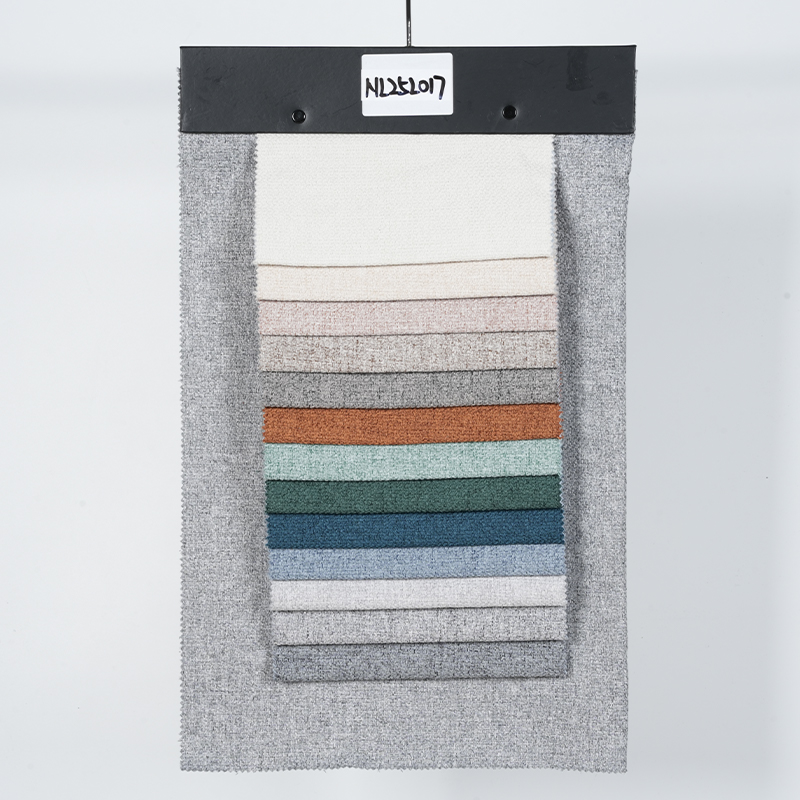
Home decoration: Linen curtains, sofa covers and tablecloths, with their simple texture and durability, have become popular elements in modern homes, adding a natural touch to the space.
Packaging materials: With the promotion of the "plastic ban", jute bags and jute ropes have gradually replaced plastic products and become environmentally friendly choices for supermarket and gift packaging.
Industry and construction: Flax fibers are also used to manufacture composite materials, which are applied in fields such as automotive interiors and building sound insulation boards, demonstrating their powerful functionality.